
Grip Strength & Longevity: The Complete Guide
Why dynamometer numbers predict mortality, how to train grip, and what the marker actually means
Handgrip strength is one of the cheapest, best-replicated biomarkers of all-cause mortality and functional aging. It is a marker of whole-body muscle and neuromuscular integrity — not a magic hand muscle. This guide covers how to measure it, what ‘good’ looks like, and how farmers carries and dead hangs beat cheap squeeze rings as the only plan.
Frequency
Grip work 2–4× weekly; retest quarterly
Duration
Lifelong
Level
Beginner

Key Takeaways
- 1Low grip strength associates with higher mortality independent of some other fitness measures
- 2Train grip as part of lifting and carries — do not only buy a $12 squeezer
- 3A cheap dynamometer gives a number you can track yearly like blood pressure
- 4Grip is a vital-sign proxy, not a reason to ignore VO₂ max, ApoB, or bone density
Who this is for
- ·People who lift but never measure function
- ·Readers of Outlive who want a $30 home metric
- ·Anyone over 40 starting resistance training
Why Grip Predicts Death Better Than It Should
Strong EvidenceLarge cohorts (including PURE) found grip strength predicted all-cause and cardiovascular mortality. The hand is not special — it is an easy way to sample muscle quality, neural drive, and illness burden.
Sarcopenia and frailty definitions often include grip. If your handshake is weak and you cannot carry groceries, the rest of the medical chart usually agrees.
How to Measure
Strong EvidenceUse a hand dynamometer. Seated or standing, arm at the side, squeeze 3 times per hand, record the best. Same time of day, same device.
Norms vary by age, sex, and body size. Direction matters more than copying an Instagram number: trending down year over year is the alarm.
How to Train It
Moderate EvidenceFarmers carries, suitcase carries, dead hangs, heavy rows, and deadlifts build grip that transfers. Thick bars and towel hangs are progressions.
Crush (squeezer), pinch (plates), and support (carry/hang) are different. Support grip is the longevity-relevant one for ‘can I pick up and hold life.’
Do not spike volume if you have elbow tendinopathy — recover, then load slowly. Bone-density work (see that guide) overlaps with heavy carries.
- ·2–3 carry or hang sessions per week
- ·Progress load or time, not circus tricks
- ·Retest dynamometer every 3–6 months
As an Amazon Associate, Reo Tuku Iho Limited earns from qualifying purchases through Amazon links on this site. Full disclosure
Sources
Key references cited in this guide. Links open the original publication or abstract.
- Prognostic value of grip strength: PURE studyLancet, 2015
- Sarcopenia: EWGSOP2 consensusAge Ageing, 2019
Continue Reading
Wearables & TrackersStrength Training for Longevity: The Complete Guide
Cardio gets the longevity headlines, but muscle mass, strength, and power are among the strongest predictors of healthy aging. This guide covers why resistance training belongs next to Zone 2, how much is enough, and a beginner-to-intermediate protocol that still works at 70.
Read guideDiagnostics & TestingBone Density for Longevity: The Complete Guide
Bone is living tissue that responds to load. Osteoporosis and sarcopenia together drive falls, fractures, and loss of independence — the outcome Peter Attia calls 'the marginal decade.' This guide covers DEXA interpretation, resistance training, calcium/vitamin D/K2, and who needs medical treatment beyond lifestyle.
Read guide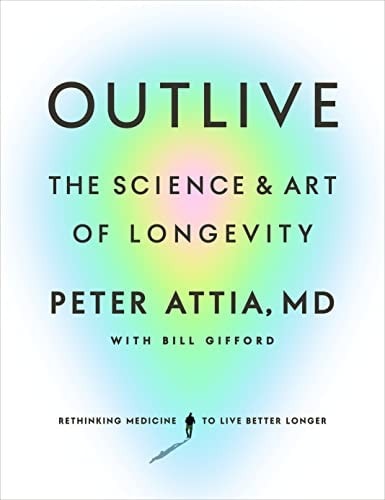 Supplements
Peter Attia & Outlive: The Complete Guide
Peter Attia’s Outlive (2023) is the most useful popular longevity book of the decade: delay the Four Horsemen (atherosclerosis, cancer, neurodegeneration, metabolic disease) with exercise, lipids, sleep, and emotional health — not a supplement haul. This guide translates the book into a sequence you can actually run, and links the hardcover on Amazon.
Read guide Diagnostics & Testing
VO2 Max: The Complete Guide
VO₂ max — the maximum rate at which you can use oxygen — is one of the best-studied predictors of all-cause mortality. Peter Attia calls it a vital sign. This guide covers lab testing vs wearable estimates, what 'good' looks like by age, and a training mix of Zone 2 plus intervals.
Read guide Diagnostics & Testing
DEXA Scan for Longevity: The Complete Guide
Dual-energy X-ray absorptiometry is the clinical standard for bone mineral density and a useful whole-body composition test (lean mass, fat, visceral adipose). Attia and sports-medicine clinics use it as a periodic snapshot. This guide covers what to book, how to prepare, how often to repeat, and what to do with the PDF.
Read guide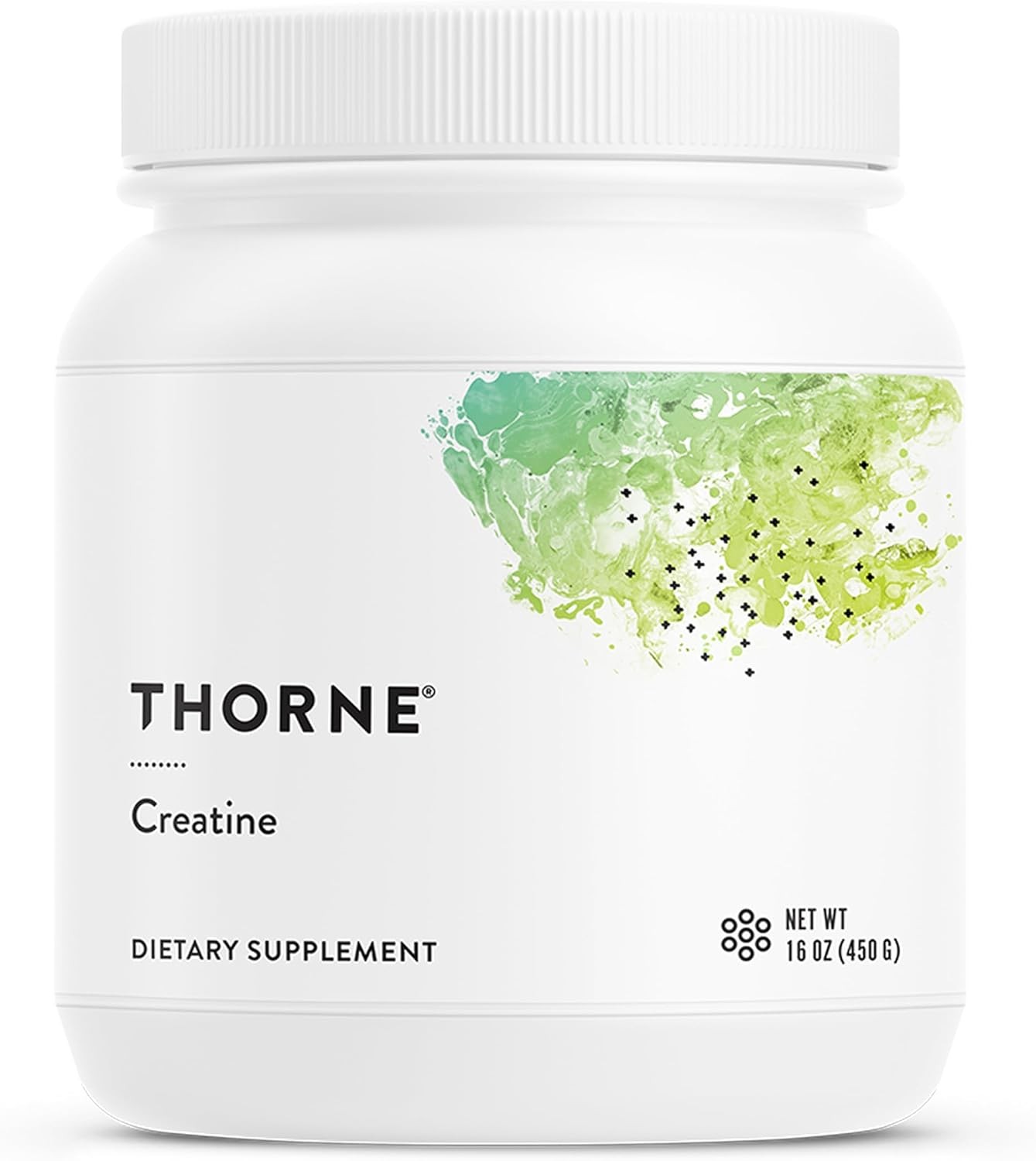 Supplements
Creatine: The Complete Guide
Creatine monohydrate is one of the few supplements with decades of human research, not just for muscle and strength, but increasingly for brain energy, recovery, and healthy aging. This guide covers dosing, loading, what form to buy, and who actually benefits.
Read guide Wearables & Trackers
Rucking: The Complete Guide
Rucking is walking with a weighted pack — military in origin, longevity-friendly in practice. It builds aerobic base, leg and core strength, and bone loading without the injury profile of running. This guide covers load progression, heart rate targets, and gear.
Read guideLast updated: 2026-09-21 · For informational purposes only. Not medical advice. Consult a healthcare provider before starting any new health protocol. Health disclaimer.