
Saffron Extract: Affron at 28 mg vs Generic Capsules
Saffron extract guide: affron at 28 mg in mood trials, why an 88.5 mg generic capsule is not the same ingredient, and who should not self-treat.
Mood and sleep trials, the extract that was actually studied, and who should not self-treat
Standardized saffron, especially the affron extract at 28 mg a day, has small human trials for mood and some sleep outcomes. Amazon’s best sellers are mostly gummies and generic extracts at a different milligram number. A higher milligram count is not a stronger affron. Saffron is not a treatment for depression.
Health Disclaimer
This content is for general informational and educational purposes only. It is not medical advice, diagnosis, or treatment. Consult a qualified healthcare provider before starting any supplement, peptide, or health protocol. Read our full health disclaimer.
Frequency
Once daily
Duration
4–6 week trial if you use a standardized extract
Level
Beginner
Key Takeaways
- 1The better mood trials use about 28 mg of affron, or 30 mg of other standardized extracts
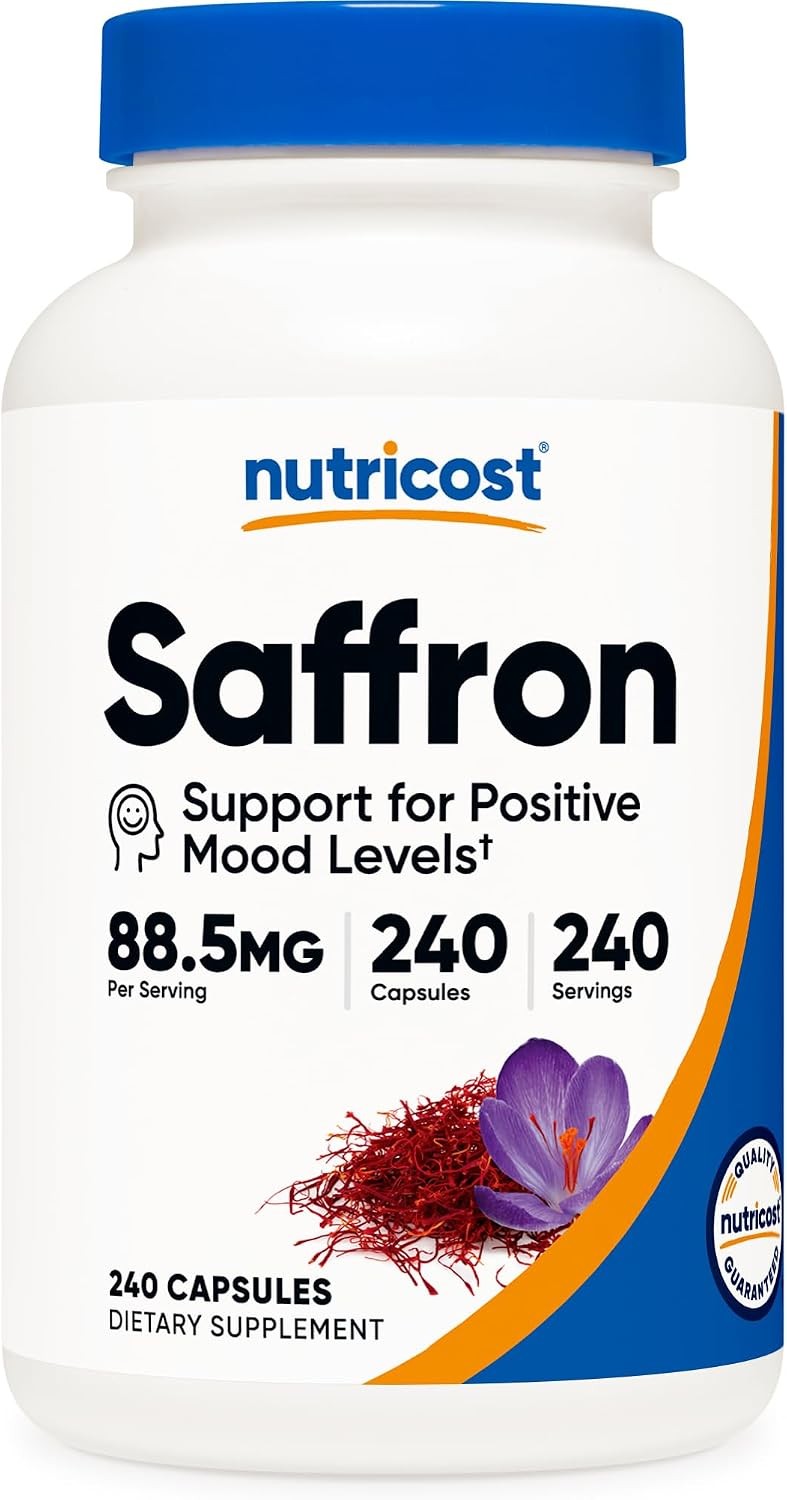
- 2Nutricost’s 88.5 mg capsule is a cheap labeled extract, not that ingredient
- 3Effects, when they show up, take weeks
- 4Do not combine it with antidepressants without a clinician
Who this is for
- ·Readers who want the trial extract named before they buy
- ·People stacking sleep who should not add four bottles at once
- ·Anyone treating a gummy as a antidepressant
What Was Studied
Moderate EvidenceSaffron stigmas contain crocin and safranal. Those are the compounds the mood papers discuss. Affron is a specific standardized extract. Several randomized trials used 28 mg a day for low mood or stress-related symptoms over 4–8 weeks, with modest placebo-subtracted changes. Other extracts are often studied at 30 mg. Sleep papers exist and are smaller than the mood set.
This is not a license to stop prescribed treatment. If mood is affecting work, sleep, or safety, that is clinical care. Saffron can add serotonergic activity, which is the reason it clashes with some antidepressants.
- ·Affron: 28 mg/day in the trials people cite
- ·Other standardized extracts: often 30 mg
- ·Onset in studies: weeks, not one dose
- ·Not a depression treatment
How the Amazon Aisle Differs
Moderate EvidenceOlly’s Hello Happy gummies lead a lot of “saffron” searches. They are a candy format with a saffron extract plus other ingredients. Nutricost Saffron is the clearer cheap capsule: 88.5 mg saffron extract, 240 capsules, about $20. The label does not say affron, and it does not state a crocin percentage in the title facts shoppers see.
Use Nutricost only if you understand you are buying a generic extract at a higher milligram number, not a double-strength version of the 28 mg trial. If you want the trial ingredient, the bottle has to say affron (or another named extract) and a dose near 28–30 mg. More milligrams of an unstandardized powder is not automatically better.
Where It Sits
Sleep and mood levers with more boring evidence come first: daylight, a consistent wake time, alcohol, and magnesium. Tart cherry and saffron are both “maybe, mild.” Add one. Pregnancy is a skip for extract capsules. Culinary saffron in food is a different exposure.
As an Amazon Associate, Reo Tuku Iho Limited earns from qualifying purchases through Amazon links on this site. Full disclosure
For educational purposes only. Not medical advice. Read our health disclaimer.
Sources
Key references cited in this guide. Links open the original publication or abstract.
- affron a novel saffron extract in mild-to-moderate depressionComplement Ther Med, 2017
- Saffron in the treatment of depression — meta-analysesJ Integr Med, 2014
Continue Reading
 Supplements
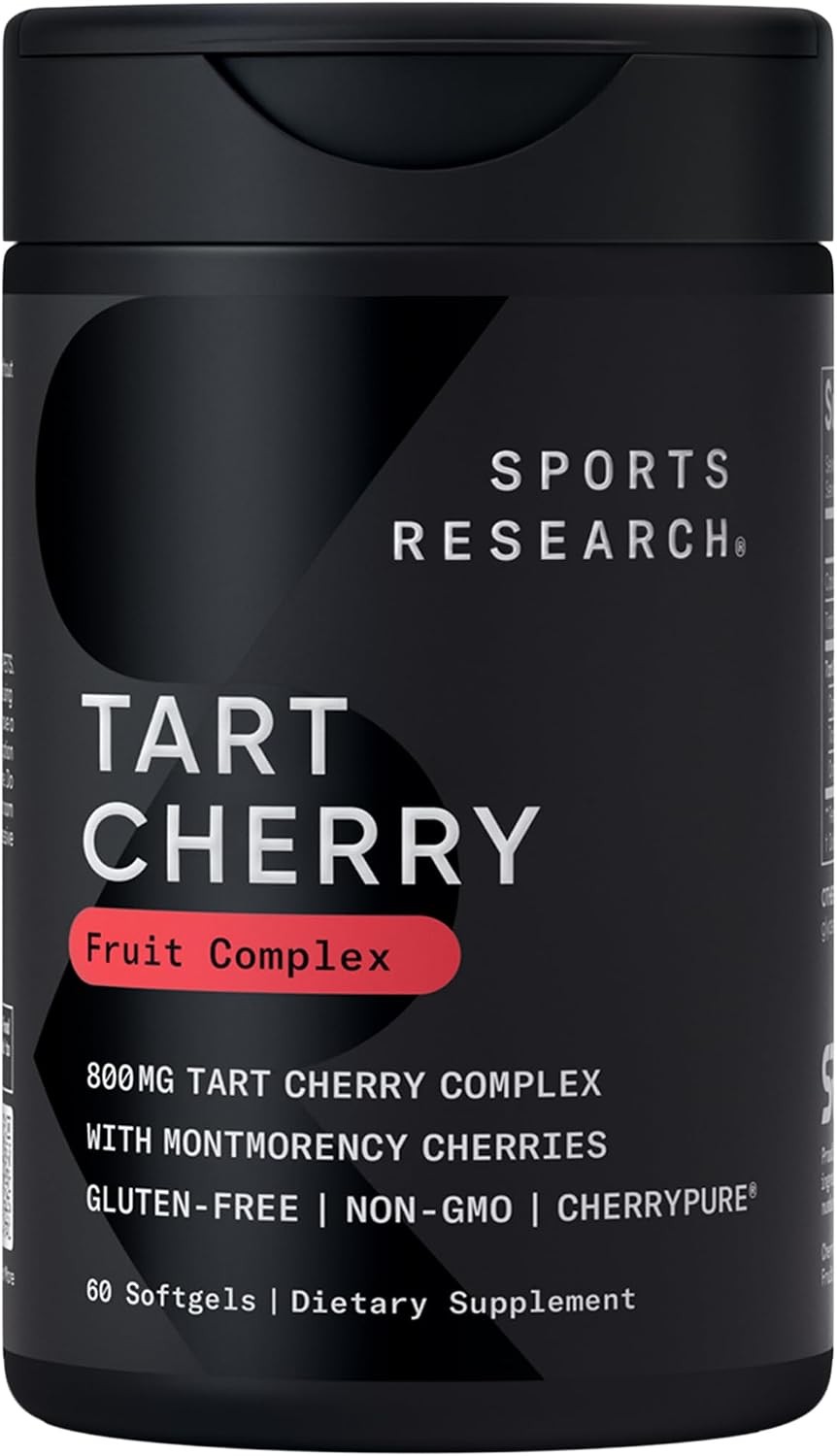
Tart Cherry for Sleep and Soreness: Juice vs 800 mg Softgels
Montmorency tart cherry is a real research ingredient for exercise soreness and a smaller sleep literature, plus a popular uric-acid claim that outruns the trials. Juice protocols and 800 mg softgels are not the same dose. It sits beside magnesium and apigenin, not instead of them, and it is not a gout drug.
Read guide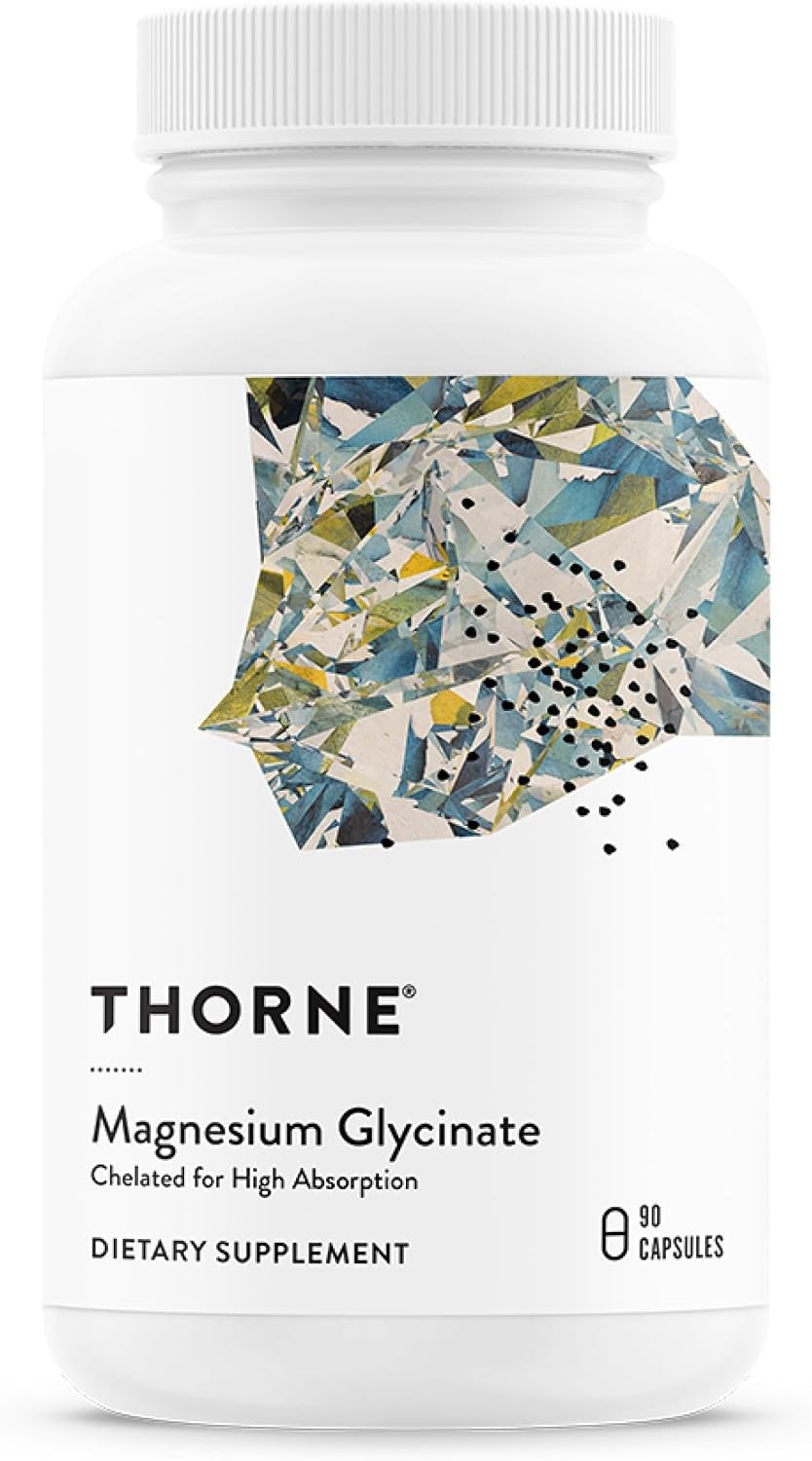 Supplements
Best Magnesium for Sleep: Bisglycinate vs Glycinate vs L-Threonate
Magnesium is the first sleep-stack purchase that usually deserves to stay. Glycinate (bisglycinate) is the default for evenings; citrate if you also want a stool softener; threonate if you are paying extra for a cognition story. This buying guide maps forms to Amazon SKUs.
Read guide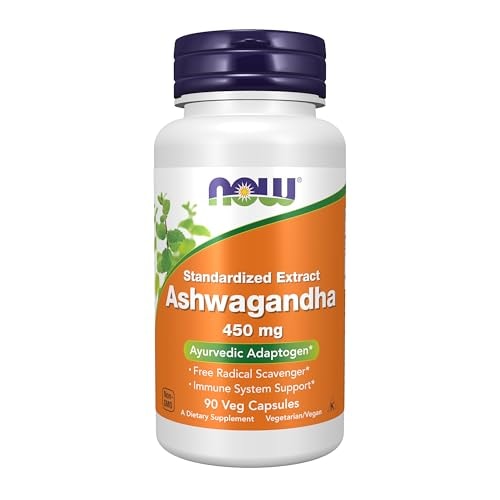 Supplements
Ashwagandha KSM-66 Dose for Stress, Sleep, and Testosterone
Ashwagandha (Withania somnifera) is the most studied adaptogen in biohacking. Multiple RCTs show cortisol reduction, improved sleep, and modest strength gains. This guide compares KSM-66 and Sensoril extracts, dosing protocols, and important contraindications.
Read guide Sleep Optimization
Huberman Sleep Protocol: Temperature, Light, and Supplements
Sleep is the foundation every biohacker builds on, Huberman calls it the #1 performance enhancer. This guide covers the science of sleep stages, temperature regulation, light protocols, tracking with wearables, and the complete toolkit for deep restorative sleep.
Read guide Supplements
L-Theanine 200 mg with Caffeine (Huberman)
The focus dose is 200 mg of L-theanine with about 100 mg of caffeine, a 2:1 ratio, in the morning. Huberman’s sleep stack uses 100–200 mg of L-theanine before bed with apigenin and magnesium, without the caffeine. The same 200 mg is the amount used in the alpha-wave studies. Matcha has both compounds, but a cup is too small to match these doses.
Read guideLast updated: 2026-11-21 · For informational purposes only. Not medical advice. Consult a healthcare provider before starting any new health protocol. Health disclaimer.