
VO2 Max: The Complete Guide
The strongest cardiorespiratory predictor of lifespan, how to measure it, and how to raise it
VO₂ max — the maximum rate at which you can use oxygen — is one of the best-studied predictors of all-cause mortality. Peter Attia calls it a vital sign. This guide covers lab testing vs wearable estimates, what 'good' looks like by age, and a training mix of Zone 2 plus intervals.
Frequency
Zone 2 most days + 1 interval session
Duration
Ongoing
Level
Intermediate
Key Takeaways
- 1Moving from low to above-average VO₂ max is associated with large drops in all-cause mortality
- 2Lab tests (metabolic cart) are gold standard; Garmin, WHOOP, and Apple estimates are directional
- 3Raise it with lots of Zone 2 plus 1 weekly hard session (Norwegian 4×4 or hill repeats)
- 4VO₂ max declines with age unless you train it — the goal is to enter older decades with reserve
Who this is for
- ·People who already walk or lift and want a single fitness north star
- ·Wearable users confused by Garmin or Apple VO₂ estimates
- ·Anyone building Attia-style Zone 2 + interval weeks
What Is VO2 Max?
VO₂ max is the peak volume of oxygen your body can consume during maximal aerobic effort, usually expressed in milliliters per kilogram per minute (ml/kg/min). It reflects lungs, heart stroke volume, blood volume, and muscle mitochondria working as a system.
It is not a vanity metric. In the Cleveland Clinic cohort published in JAMA Network Open (Mandsager et al., 2018), people in the lowest fitness group had several-fold higher mortality than elite-fit peers. The jump from low to below-average already matters. Elite vs high is a smaller bonus.
The Science
Strong EvidenceCardiorespiratory fitness is a stronger mortality predictor than many traditional risk factors when compared head-to-head in large cohorts. That is why Attia treats VO₂ max like blood pressure: know the number, then train it.
Two trainable levers: mitochondrial density and cardiac output. Zone 2 (conversational cardio) is the volume work that grows mitochondria and fat oxidation. High-intensity intervals near VO₂ max stress stroke volume and oxygen extraction.
Wearables estimate VO₂ max from heart-rate response to pace or power. They are useful for trends, not diagnosis. A 3-point week-to-week swing on a watch is often noise. A 12-week upward trend with the same device is signal.
- ·Strong: CRF / VO₂ max vs all-cause mortality
- ·Strong: Zone 2 + intervals improve VO₂ max in untrained and trained adults
- ·Moderate: wrist-based estimates vs laboratory carts
- ·Context: body weight sits in the denominator — fat loss can raise ml/kg/min without a bigger engine
How to Measure and Train It
Strong EvidenceMeasurement: a clinical or performance lab with a metabolic cart is the reference. Many longevity clinics and university labs offer it. If you skip the lab, pick one wearable algorithm (Garmin is the most discussed) and ignore brand-to-brand comparisons.
Base: 3–4 hours per week of true Zone 2. If you cannot talk in full sentences, you are not in Zone 2. See our Zone 2 guide.
Once-weekly VO₂ stimulus (pick one): Norwegian 4×4 (4 minutes hard, 3 minutes easy, repeat 4 times) after a warm-up; or 6–8 × 1–2 minute hill or bike repeats with full recoveries. Hard means 'controlled suffering,' not a race you cannot repeat next week.
Strength training still belongs in the week. Muscle and economy support the engine. Do not replace lifting with extra intervals.
- ·Retest lab VO₂ every 6–12 months if you are chasing the number
- ·3–4 hours Zone 2 + 1 interval day
- ·Use the same watch and similar routes for trend lines
- ·Sleep and iron status (especially in women) can cap progress
What to Expect
Untrained adults often see the fastest VO₂ gains in the first 8–12 weeks. Trained people grind for smaller absolute changes.
Subjectively: hills feel easier, resting heart rate may drop, and Zone 2 pace at the same heart rate creeps up. That last one is a better daily KPI than the watch's VO₂ score.
Plateaus are normal. Add a little Zone 2 volume, keep one quality interval day, and check recovery (HRV, sleep) before stacking more intensity.
Risks & Common Mistakes
Strong EvidenceMaximal testing and all-out intervals are cardiac stress tests in disguise. Get clearance if you have known heart disease, uncontrolled blood pressure, or are returning from a long layoff after 40.
Grey-zone training (forever moderately hard) raises fatigue without reliably raising VO₂ max. Keep easy days easy.
Chasing a watch number into overtraining is common among WHOOP and Garmin users. The mortality data rewards a high lifetime fitness level, not a single PR week.
Community Consensus
Attia's Outlive and his VO₂ max podcast episodes are the default references on r/longevity. The practical stack is boring: walk or bike a lot, suffer once a week, lift, sleep.
Skeptics correctly note that VO₂ max is partly genetic. The counter is still valid: the people in the lowest bin have the most to gain, and that is most sedentary adults.
As an Amazon Associate, Reo Tuku Iho Limited earns from qualifying purchases through Amazon links on this site. Full disclosure
Sources
Key references cited in this guide. Links open the original publication or abstract.
- Association of Cardiorespiratory Fitness With Long-term Mortality Among Adults Undergoing Exercise Treadmill TestingJAMA Netw Open, 2018
- Importance of Assessing Cardiorespiratory Fitness in Clinical Practice: A Case for Fitness as a Clinical Vital SignCirculation, 2016
- Aerobic high-intensity intervals improve VO2max more than moderate trainingMed Sci Sports Exerc, 2007
Continue Reading
Wearables & TrackersZone 2 Heart Rate Chart: Attia Targets by Age
Peter Attia does not publish a single official zone 2 heart rate chart. He uses a talk test, and in a lab a lactate reading near 2 mmol/L. The chart below is the practical substitute: a Maffetone ceiling of 180 minus age, next to 60–70% of estimated max heart rate. Stay under the ceiling only if you can still speak in full sentences, for 3–4 hours a week.
Read guide Wearables & Trackers
Zone 5 & HIIT for Longevity: The Complete Guide
Zone 5 is near-maximal work — the session that actually moves VO₂ max once a Zone 2 base exists. Attia and endurance coaches usually prescribe one hard day a week, not daily HIIT classes. This guide covers 4×4s, shorter intervals, heart-rate vs RPE, and who should wait.
Read guide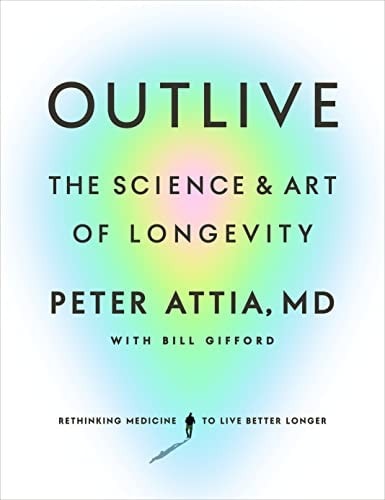 Supplements
Peter Attia & Outlive: The Complete Guide
Peter Attia’s Outlive (2023) is the most useful popular longevity book of the decade: delay the Four Horsemen (atherosclerosis, cancer, neurodegeneration, metabolic disease) with exercise, lipids, sleep, and emotional health — not a supplement haul. This guide translates the book into a sequence you can actually run, and links the hardcover on Amazon.
Read guide Wearables & Trackers
Strength Training for Longevity: The Complete Guide
Cardio gets the longevity headlines, but muscle mass, strength, and power are among the strongest predictors of healthy aging. This guide covers why resistance training belongs next to Zone 2, how much is enough, and a beginner-to-intermediate protocol that still works at 70.
Read guide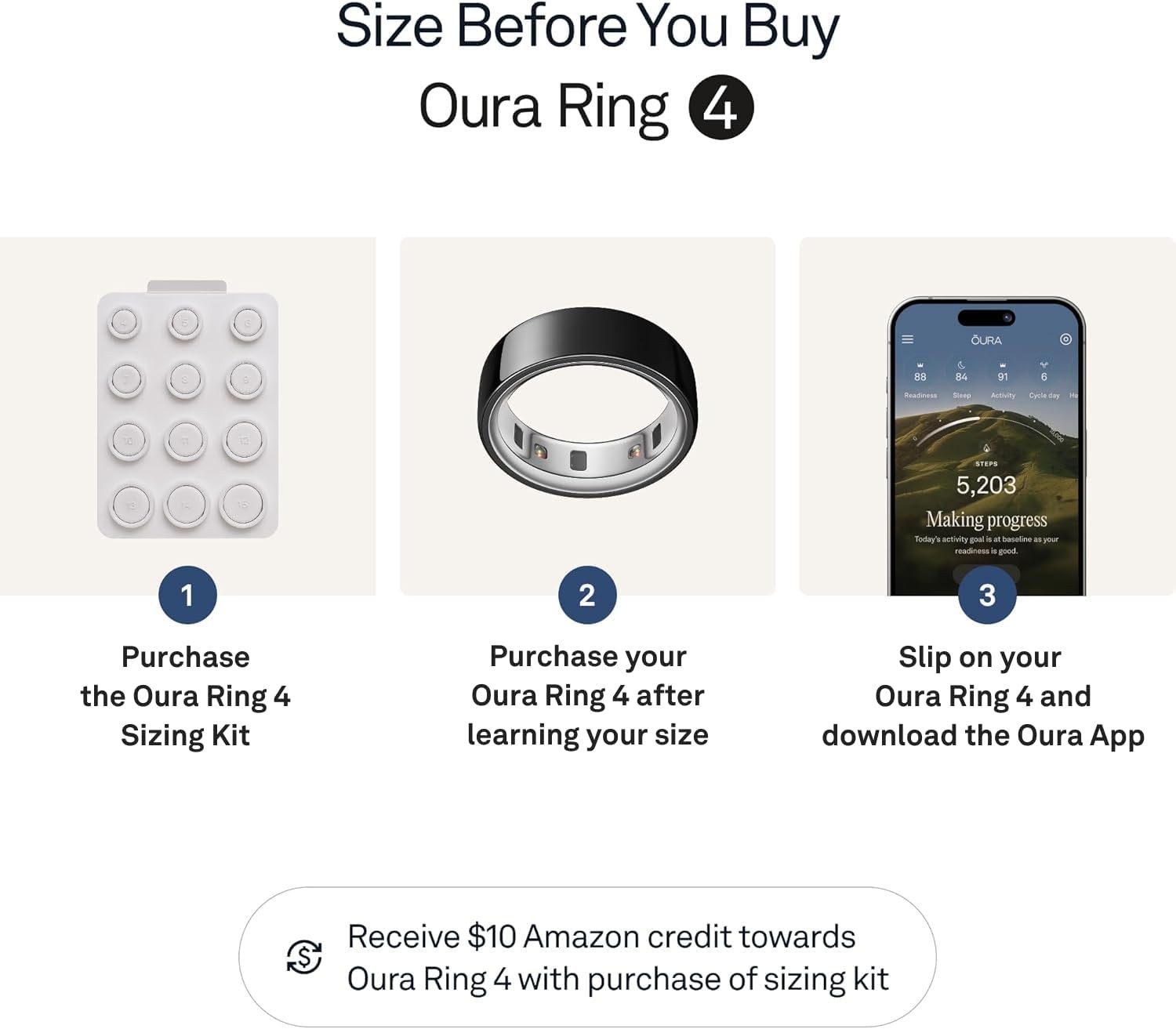 Wearables & Trackers
HRV & Recovery Tracking: The Complete Guide
Heart rate variability (HRV) is the most actionable biometric for biohackers, it tells you when to push hard and when to rest. This guide explains what HRV means, how Oura and WHOOP use it, lifestyle factors that destroy recovery, and how to actually use the data. Ready to buy? See Oura vs WHOOP or Garmin vs Oura vs WHOOP.
Read guide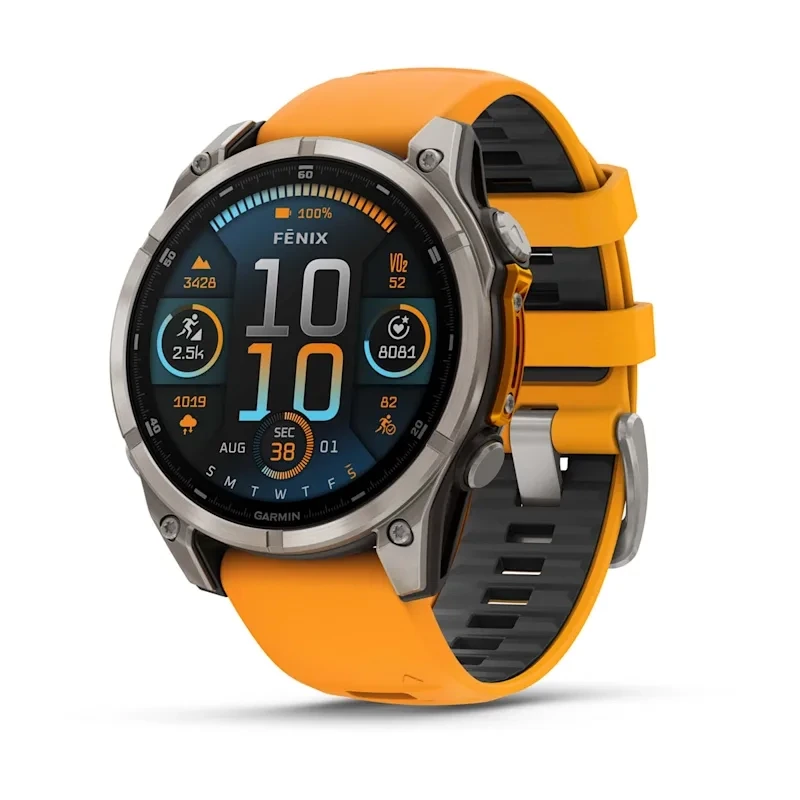 Wearables & Trackers
Garmin Fenix 8 vs Oura vs WHOOP: Which Tracker?
This page compares the Garmin Fenix 8 with Oura and WHOOP. It is not a Fenix 9 Pro review — if a listing says Fenix 9 Pro, the specs below do not apply to it. Fenix 8 is a GPS multisport watch. Oura is a passive sleep ring. WHOOP is a screenless strain band. The [Oura Ring 4 review](/equipment/oura-ring-gen4) covers price and the membership on its own. Narrowed to ring vs band only? See [Oura vs WHOOP](/guides/oura-vs-whoop).
Read guide Diagnostics & Testing
Blood Panel Testing: The Complete Guide
Annual bloodwork is the foundation of data-driven biohacking. Peter Attia's framework prioritizes ApoB, insulin, HbA1c, and inflammatory markers over standard lipid panels. This guide covers what to test, how often, where to order, and how to interpret results.
Read guide Cold Therapy
Cold Exposure: The Complete Guide
Deliberate cold exposure is one of the most accessible biohacks with measurable effects on norepinephrine, dopamine, metabolism, and mental resilience. This guide breaks down the Huberman protocol (11 min/week), the Wim Hof method, what happens to your body, and how to build a sustainable practice.
Read guideLast updated: 2026-08-23 · For informational purposes only. Not medical advice. Consult a healthcare provider before starting any new health protocol. Health disclaimer.