
Garmin Fenix vs Oura vs WHOOP: Which Wearable Stack Fits
GPS training features vs passive sleep tracking vs strain coaching, and why the right device depends on what you're actually optimizing
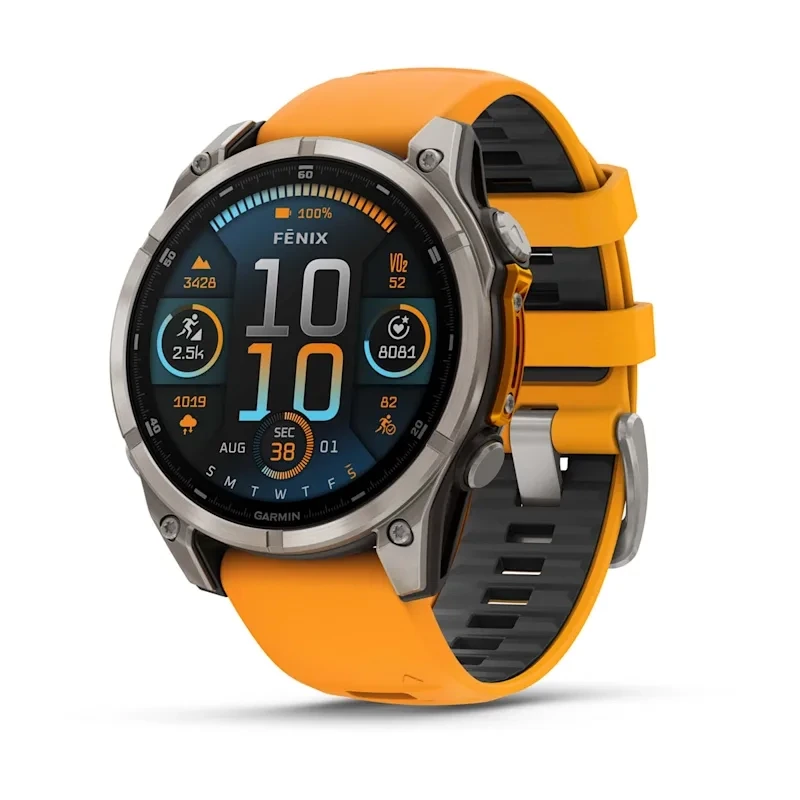
Garmin Fenix, Oura Ring, and WHOOP represent three fundamentally different philosophies of wearable tracking. Fenix is a GPS multisport training computer built for structured athletes who need mapping, workout metrics, and multi-week battery life. Oura is a passive sleep and recovery ring built for people who want health insight without any active engagement. WHOOP is a screenless strain-and-recovery band built around a daily push-or-rest decision loop. This guide compares all three across sleep tracking, training features, battery life, pricing, and helps you decide whether you need one, two, or all three. Narrowed to ring vs band only? See Oura vs WHOOP.
Frequency
Daily wear
Duration
Ongoing
Level
Beginner
Key Takeaways
- 1Garmin Fenix: best for structured athletes who need GPS mapping, multisport modes, and no-subscription ownership with multi-week battery life
- 2Oura: best for passive sleep optimization and recovery insight without engaging with a screen or training metrics
- 3WHOOP: best for athletes who want daily strain/recovery coaching and don't want a screen or watch form factor
- 4Serious athletes increasingly run Fenix for training + Oura for sleep, since Fenix's training depth and Oura's sleep depth each beat the other's weaker secondary features
Who this is for
- ·Athletes choosing between a GPS watch, sleep ring, and strain band
- ·People deciding if a dual-device stack is worth it
- ·Buyers who care about subscription vs one-time ownership
- ·Readers comparing only Oura and WHOOP — use our two-way guide instead
Three Different Philosophies
These three devices aren't really competing for the same buyer, they solve different problems and only partially overlap. Garmin Fenix is a full GPS sports watch: mapping, multisport profiles (running, cycling, swimming, skiing, and dozens more), structured workout support, and a screen you actively check throughout the day. It's built first for training, with health metrics layered on top.
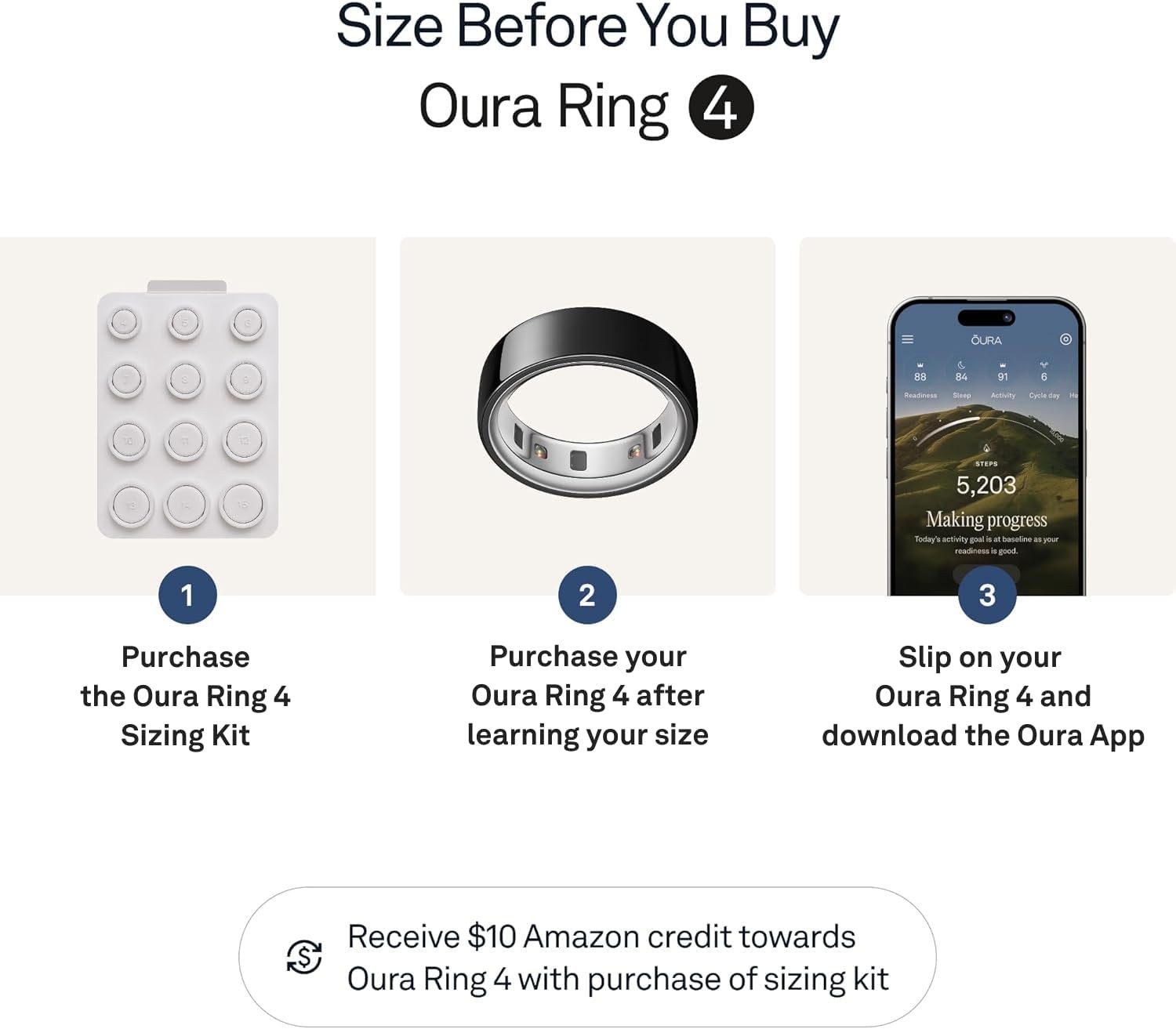
Oura Ring is the opposite extreme: no screen, no active engagement required, worn 24/7 purely to passively collect sleep staging, HRV, temperature, and a daily Readiness score. You check an app once a day; the ring itself demands nothing from you.
WHOOP sits in between philosophically but is closer to Oura in form factor (screenless band) and closer to Fenix in purpose (training optimization). It replaces GPS mapping with a strain/recovery feedback loop, telling you whether today's training load should be high or low based on last night's recovery.
Sleep Tracking Comparison
Strong EvidenceOura remains the benchmark for consumer sleep tracking accuracy, validated in multiple comparisons against polysomnography for sleep staging, with detailed light/deep/REM breakdown, respiratory rate, and temperature deviation tracking that also supports illness and cycle detection.
WHOOP's sleep tracking is solid and provides a sleep performance percentage plus stage breakdown, generally considered a notch below Oura in granularity but good enough that dedicated WHOOP users don't feel they're missing much.
Garmin's sleep tracking has improved significantly in recent Fenix generations with actual sleep coaching and stage detection, but the ring form factor of Oura still edges out wrist-based tracking for comfort and consistency, especially for side sleepers who find a Fenix's size noticeable overnight.
- ·Oura: industry-leading sleep staging accuracy and validation
- ·WHOOP: strong sleep tracking, slightly less granular than Oura
- ·Garmin Fenix: improved but generally third of the three for sleep depth
- ·Ring form factor (Oura) remains most comfortable for consistent overnight wear
Training Features & GPS
Strong EvidenceThis is where Fenix dominates outright. Multi-band GPS accuracy, full topographic mapping, dozens of sport-specific profiles, structured workout builders, running dynamics, and training load metrics built from decades of Garmin's endurance-sport focus. If you're training for a marathon, triathlon, or any GPS-dependent sport, nothing in this comparison comes close.
WHOOP tracks workouts via heart rate and motion rather than GPS, producing a strain score for any activity but without route mapping or pace-by-mile GPS accuracy. It's built for quantifying how hard you worked, not for navigating or pacing a specific course.
Oura has minimal dedicated training features, it detects some activities automatically and shows an Activity score, but it isn't designed as a training tool. Serious athletes generally don't rely on Oura for workout data at all.
- ·Garmin Fenix: full multi-band GPS, mapping, structured training, running dynamics
- ·WHOOP: heart-rate/motion-based strain scoring, no GPS mapping
- ·Oura: passive activity detection only, not built for structured training
- ·Fenix is the only real choice for GPS-dependent sports (trail running, cycling routes)
Recovery Scoring & HRV
Moderate EvidenceWHOOP's Recovery score (built from HRV, resting heart rate, respiratory rate, and sleep performance) combined with its 0-21 Strain scale is the most prescriptive recovery system of the three, explicitly telling you whether to push or rest today.
Oura's Readiness score covers similar inputs (HRV, sleep, temperature, activity balance) but frames it informationally rather than prescriptively, more 'here's how you're doing' than 'here's what to do about it.'
Garmin's Body Battery and Training Readiness metrics have converged toward WHOOP-style prescriptive guidance in recent Fenix generations, combining HRV status, sleep, and training load into an actionable daily readiness number, closing what used to be a clear gap versus WHOOP.
Battery Life & Form Factor
Garmin Fenix wins decisively on battery life for a device with a screen and GPS, multi-week battery in smartwatch mode and days of battery even with GPS-heavy activities logged, thanks to solar charging options on some models. It's also the largest and most visible of the three, a genuine sports watch on your wrist.
Oura's titanium ring lasts 5-8 days per charge and is essentially invisible day-to-day, no notifications, no screen, nothing to charge daily. This is its single biggest advantage for people who dislike wearing anything wrist-based.
WHOOP requires charging via a battery pack that slides onto the band without removing it, a clever solution but still more frequent charging management than Oura, and a visible (if screenless) band on the wrist or bicep.
- ·Garmin Fenix: multi-week battery, largest form factor, full smartwatch functionality
- ·Oura: 5-8 day battery, invisible ring form factor, zero notifications
- ·WHOOP: continuous wear via swappable battery pack, visible screenless band
Pricing & Subscription Reality
Garmin Fenix is the most expensive hardware ($700-$1,100+ depending on model) but has no subscription requirement at all, you own the full feature set outright forever. Over a multi-year ownership period, this often makes it the cheapest total cost of the three.
Oura Ring costs $349-$499 upfront plus a $5.99/month membership for full historical data and features, roughly $500-$650 total over two years.
WHOOP has no hardware cost but requires an ongoing membership ($12.99-$29.99/month depending on tier), typically the most expensive over a multi-year period unless you only commit for a short stretch.
- ·Garmin Fenix: highest upfront cost, zero subscription, cheapest long-term
- ·Oura: moderate upfront, low monthly subscription
- ·WHOOP: no upfront cost, highest ongoing subscription commitment
Who Should Buy Which
Buy Garmin Fenix if: you train for GPS-dependent sports (running, cycling, trail, triathlon), want to own your device outright with no subscription, or need multi-week battery life for adventure or expedition use.
Buy Oura if: sleep and passive recovery tracking is your top priority, you dislike wrist-worn devices or screens, or you want illness/cycle tracking alongside recovery data.
Buy WHOOP if: you want daily prescriptive strain/recovery coaching without a GPS watch's bulk, you train hard but don't need route mapping, or you specifically want the strain-vs-recovery feedback loop as your primary decision tool.
Combine Fenix + Oura if: you're a serious athlete who wants best-in-class GPS training data and best-in-class sleep data, accepting some redundancy in recovery metrics between the two. This is an increasingly common setup among endurance athletes who found WHOOP's GPS limitations frustrating.
Community Consensus
r/Garmin and r/GarminFenix communities emphasize GPS accuracy, multisport depth, and the no-subscription model as the deciding factors for serious athletes, with sleep tracking generally described as 'good enough, not best-in-class.'
r/ouraring and r/whoop communities rarely discuss Garmin directly since the target users differ, sleep-focused users pick Oura, and strain-focused non-endurance athletes pick WHOOP. r/Biohackers threads comparing all three consistently land on 'depends what you're training for' rather than a universal winner.
A common refrain among triathletes and ultrarunners in cross-posted threads: 'Garmin for training, Oura for sleep' has become close to a consensus recommendation for anyone who can justify owning two devices.
As an Amazon Associate, Reo Tuku Iho Limited earns from qualifying purchases through Amazon links on this site. Full disclosure
Sources
Key references cited in this guide. Links open the original publication or abstract.
- Validity and reliability of the Oura Ring Generation 3 (Gen3) with Oura sleep staging algorithm 2.0 (OSSA 2.0) when compared to multi-night ambulatory polysomnographySleep Medicine, 2024
- A validation study of the WHOOP strap against polysomnography to assess sleepJournal of Sports Sciences, 2020
- An Overview of Heart Rate Variability Metrics and NormsFrontiers in Public Health, 2017
- Garmin Fenix 8 official specificationsGarmin, 2026
Continue Reading
 Wearables & Trackers
Oura Ring vs WHOOP (2026): Ring vs Band, Cost & Which to Buy
Oura and WHOOP are the two wearables biohackers debate most. Oura excels at passive sleep staging and HRV detail in an unobtrusive ring. WHOOP excels at training load management with its strain/recovery loop. This guide compares accuracy, pricing, use cases, and who should buy which. Considering Garmin too? See Garmin Fenix vs Oura vs WHOOP.
Read guideWearables & TrackersHRV & Recovery Tracking: The Complete Guide
Heart rate variability (HRV) is the most actionable biometric for biohackers, it tells you when to push hard and when to rest. This guide explains what HRV means, how Oura and WHOOP use it, lifestyle factors that destroy recovery, and how to actually use the data. Ready to buy? See Oura vs WHOOP or Garmin vs Oura vs WHOOP.
Read guide Wearables & Trackers
Zone 2 Cardio: The Complete Guide
Zone 2 training, aerobic exercise at a conversational pace, is the most recommended longevity intervention by Peter Attia, Rhonda Patrick, and the longevity community. It builds mitochondrial density, improves metabolic health, and takes 3–4 hours per week. This guide covers heart rate zones, protocols, and tracking.
Read guide Sleep Optimization
Sleep Optimization: The Complete Guide
Sleep is the foundation every biohacker builds on, Huberman calls it the #1 performance enhancer. This guide covers the science of sleep stages, temperature regulation, light protocols, tracking with wearables, and the complete toolkit for deep restorative sleep.
Read guide Diagnostics & Testing
Continuous Glucose Monitoring: The Complete Guide
A continuous glucose monitor (CGM) reveals how YOUR body responds to food in real-time, not population averages. Dave Asprey calls it the most impactful health tool he's used. This guide covers how CGMs work, what you'll learn, and how to use the data to optimize energy, weight, and long-term metabolic health.
Read guideSleep OptimizationEight Sleep vs BedJet vs Sleepme Dock Pro (Chilipad): Which Sleep Cooling System Wins?
Sleep temperature regulation is one of the highest-leverage biohacks with genuine evidence behind it, and three systems dominate the category: Eight Sleep Pod, BedJet 3, and Sleepme's Dock Pro (the modern successor to Chilipad, now owned and re-engineered by the same Sleepme team). Eight Sleep uses hydronic water cooling built into a mattress cover with deep sleep-stage automation. BedJet uses forced air instead of water, with no wet components at all. Sleepme's Dock Pro is the direct descendant of the original Chilipad, focused purely on precise temperature control without the smart-home layer. This guide compares the technology, noise, subscriptions, price, and who should buy which. Want the science and budget tiers first? Read Sleep Cooling.
Read guideLast updated: 2026-07-25 · For informational purposes only. Not medical advice. Consult a healthcare provider before starting any new health protocol. Health disclaimer.