
How Much Zone 5 per Week? The Norwegian 4×4 for VO2 Max
Zone 5 HIIT & Norwegian 4×4 protocol for VO2 max: once-weekly 90–95% max HR intervals, Polar H10 heart rate tracking, and reversing cardiac aging.
Norwegian 4×4, hill repeats, and how to raise VO₂ max without living in the red every day
Zone 5 is near-maximal work — the session that actually moves VO₂ max once a Zone 2 base exists. Attia and endurance coaches usually prescribe one hard day a week, not daily HIIT classes. This guide covers 4×4s, shorter intervals, heart-rate vs RPE, and who should wait.
Frequency
1 hard session per week
Duration
Ongoing seasonally
Level
Advanced

Key Takeaways
- 1VO₂ max responds to hard intervals plus a large easy volume — not to random daily HIIT
- 2Norwegian 4×4 (4 min hard / 3 min easy × 4) is the default evidence-backed template
- 3Do this once weekly after you can do 2–3 hours of Zone 2 without breaking
- 4Joints, blood pressure, and beginners are reasons to delay, not to skip forever
Who this is for
- ·People who only do Zone 2 and wonder why VO₂ estimates stalled
- ·Lifters with no hard cardio
- ·Readers of Outlive ready for the ‘one hard day’
What Zone 5 Actually Is
Strong EvidenceHeart-rate zone 5 is roughly 90–100% of max — unsustainable, ugly, and specific. HIIT is a broader category (Tabata, spin-class spikes, 30:30s). For longevity, the goal is raising or defending VO₂ max, not calorie-burn theater.
Most of your minutes should stay easy. Polarized or pyramidal models beat living at Zone 3 ‘comfortably hard’ forever.
Templates That Work
Moderate EvidenceNorwegian 4×4: 4 minutes at ~90–95% max HR (hard but controlled), 3 minutes easy, repeat four times. Bike or uphill walk/run to spare joints.
Shorter: 8–10 × 1 minute hard / 1 minute easy once you know what ‘hard’ feels like. Hill repeats: walk or run up, walk down.
Warm up 10+ minutes. Stop if form or chest pain says so. This is not a sick-day workout.
- ·One session per week
- ·Bike or hills if knees complain
- ·Keep Zone 2 on the other cardio days
Who Should Wait
Moderate EvidenceUncontrolled hypertension, known coronary disease without clearance, pregnancy complications, and true beginners with no aerobic base. Build Zone 2 and strength first — see those guides.
Wearables estimate max HR badly. Use RPE 8–9/10 and the ‘can barely speak’ test rather than chasing a wrong zone.
Frequently Asked Questions
How much Zone 5 cardio per week do you need for VO2 max?
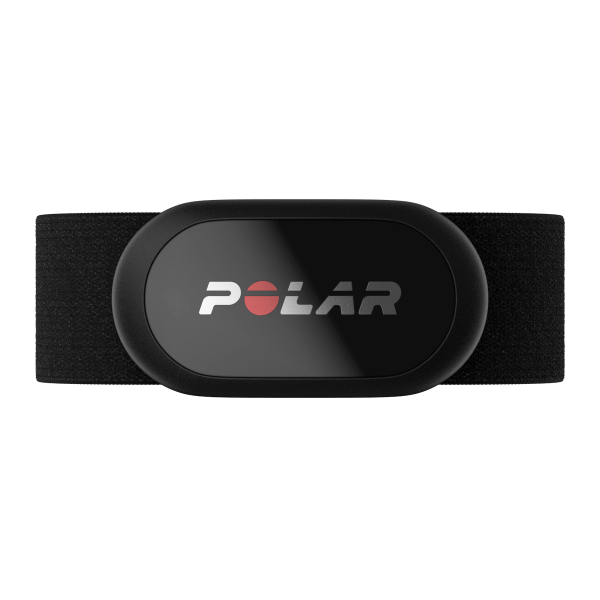
One dedicated Zone 5 interval session per week — such as the Norwegian 4×4 protocol (4 minutes at 90–95% max HR, 3 minutes easy recovery, repeated 4 times, tracked with a Polar H10 Chest Strap and Garmin Fenix 8) — is enough when built on top of 3–4 hours of weekly Zone 2 cardio.
As an Amazon Associate, Reo Tuku Iho Limited earns from qualifying purchases through Amazon links on this site. Full disclosure
Sources
Key references cited in this guide. Links open the original publication or abstract.
- Aerobic interval training and cardiovascular riskCirculation, 2007
- Cardiorespiratory fitness and mortalityJAMA Network Open, 2018
Continue Reading
 Diagnostics & Testing
What Is a Good VO2 Max by Age, and How Do You Raise It?
VO₂ max — the maximum rate at which you can use oxygen — is one of the best-studied predictors of all-cause mortality. Peter Attia calls it a vital sign. This guide covers lab testing vs wearable estimates, what 'good' looks like by age, and a training mix of Zone 2 plus intervals.
Read guideWearables & TrackersZone 2 Heart Rate Chart: Attia Targets by Age
Peter Attia does not publish a single official zone 2 heart rate chart. He uses a talk test, and in a lab a lactate reading near 2 mmol/L. The chart below is the practical substitute: a Maffetone ceiling of 180 minus age, next to 60–70% of estimated max heart rate. Stay under the ceiling only if you can still speak in full sentences, for 3–4 hours a week.
Read guide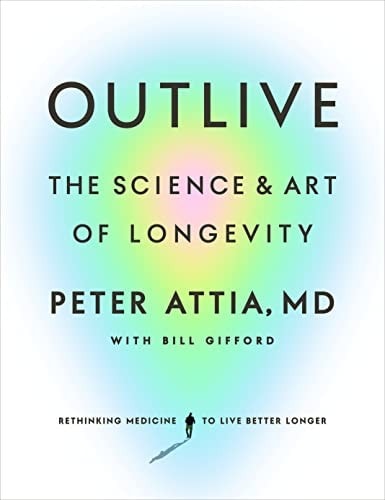 Supplements
What Is Outlive by Peter Attia? The Four Horsemen, Zone 2, and ApoB
Peter Attia’s Outlive (2023) is the most useful popular longevity book of the decade: delay the Four Horsemen (atherosclerosis, cancer, neurodegeneration, metabolic disease) with exercise, lipids, sleep, and emotional health — not a supplement haul. This guide translates the book into a sequence you can actually run, and links the hardcover on Amazon.
Read guide Wearables & Trackers
What Is HRV? Oura vs WHOOP Baselines and How to Raise It
Heart rate variability (HRV) is the most actionable biometric for biohackers, it tells you when to push hard and when to rest. This guide explains what HRV means, how Oura and WHOOP use it, lifestyle factors that destroy recovery, and how to actually use the data. Ready to buy? See Oura vs WHOOP or Garmin vs Oura vs WHOOP.
Read guide Wearables & Trackers
Strength Training for Longevity: Grip, Power, and a Weekly Plan
Cardio gets the longevity headlines, but muscle mass, strength, and power are among the strongest predictors of healthy aging. This guide covers why resistance training belongs next to Zone 2, how much is enough, and a beginner-to-intermediate protocol that still works at 70.
Read guideWearables & TrackersHow Many Steps a Day for Longevity? 7–10k and Post-Meal Walks
Walking is the highest-ROI movement habit in longevity medicine: lower all-cause mortality, better glucose control, and cognitive benefits — with zero equipment required. This guide separates step-count hype from structured Zone 2, and how wearables should track both.
Read guideLast updated: 2026-09-21 · For informational purposes only. Not medical advice. Consult a healthcare provider before starting any new health protocol. Health disclaimer.