
James Nestor & Breath: The Complete Guide
Nasal breathing, CO₂ tolerance, mouth tape, and how to practice what the book argues
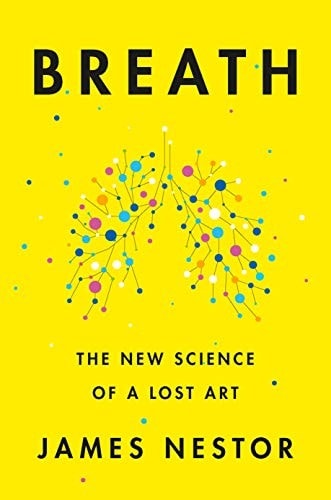
Breath (2020) made nasal breathing and mouth tape mainstream. James Nestor’s reporting is strongest on nitric oxide, sleep-disordered breathing, and the cost of chronic mouth breathing — looser on some anthropology. This guide turns the book into a two-week practice and links the hardcover plus tape and nasal strips.
Frequency
Daily practice + nightly nasal default
Duration
Ongoing
Level
Beginner
Key Takeaways
- 1Default to nasal breathing at rest and easy exercise — mouth is a backup, not a lifestyle
- 2Slow, light nasal breathing raises CO₂ tolerance and often calms anxiety more than ‘take a big breath’
- 3Mouth tape is an experiment after the nose works; strips help the nasal valve
- 4Snoring plus daytime sleepiness is a medical problem — the book is not CPAP
Who this is for
- ·Chronic mouth breathers and dry-mouth wakers
- ·People who bounced off tape because of congestion
- ·Athletes who gasp on easy runs
- ·Readers pairing Nestor with Huberman breathing protocols
What Breath Argues
Nestor, a science journalist, spent years on how humans breathe — Stanford mouth-breathing experiments, Buteyko, Tummo, choir schools, and skeletal collections. The through-line: industrial soft food, allergies, and habit turned many of us into mouth breathers, with costs to sleep, teeth, and CO₂ chemistry.
Nitric oxide produced in the sinuses is a real, useful point. So is the idea that blowing off too much CO₂ (chronic over-breathing) can worsen anxiety and reduce oxygen delivery. Some historical chapters are more story than meta-analysis — practice the breathing, don’t cite every anecdote.
Two-Week Practice
Moderate EvidenceDays 1–3: nasal-only walking. Slow down until you can keep the mouth closed. If you cannot, treat allergies or try Breathe Right strips before tape.
Days 4–7: 10 minutes of slow nasal breathing daily (4–6 second inhale, 6–8 second exhale). Sit, don’t perform. This overlaps Huberman’s physiological sigh and box breathing — pick one and repeat.
Days 8–14: tape at night only if you can breathe nasally when lying down. Hostage Tape or similar; strips if the valve collapses. Stop if you panic or wake gasping — that is data, not failure.
- ·Nose at rest and Zone 2
- ·Strips before tape if congested
- ·10 minutes slow breathing daily
- ·Apnea symptoms → sleep study
Gear vs Practice
The book is not a shopping list. Useful cheap tools: nasal strips, mouth tape, and a book you will actually finish. Skip ‘oxygen’ cans and most hypercapnia gadgets until the habit exists.
Hardcover ASIN 0735213615 is linked below. Pair with our mouth-tape, breathwork, and oral-microbiome guides.
Safety
Moderate EvidenceDo not tape an untreated apnea patient. Do not force nasal breathing through a severe cold. Pregnancy, recent nasal surgery, and claustrophobia change the plan — ask a clinician.
Kids and mouth tape is a specialist conversation, not a biohacker default.
As an Amazon Associate, Reo Tuku Iho Limited earns from qualifying purchases through Amazon links on this site. Full disclosure
Sources
Key references cited in this guide. Links open the original publication or abstract.
- Breath: The New Science of a Lost ArtRiverhead, 2020
- Nasal nitric oxide in health and diseaseJ Allergy Clin Immunol, 2000
Continue Reading
 Cognitive Enhancement
Breathwork: The Complete Guide
Breathwork is the most accessible biohack, free, immediate, and backed by real physiology. From Wim Hof's hyperventilation cycles to Navy SEAL box breathing, controlled breathing shifts autonomic state in minutes. This guide covers protocols, mechanisms, and building a daily practice.
Read guide Sleep Optimization
Mouth Tape & Nasal Breathing: The Complete Guide
Mouth taping encourages nasal breathing during sleep, which may reduce snoring, dry mouth, and fragmented sleep architecture. Popularized by James Nestor's 'Breath' and the Buteyko community, it's one of the cheapest sleep biohacks. This guide covers safe taping methods and contraindications.
Read guide Diagnostics & Testing
Oral Microbiome: The Complete Guide
The oral microbiome is a distinct ecosystem — not just a subset of gut health. Oral dysbiosis links to gum disease, cardiovascular inflammation, and possibly cognitive markers. Nasal breathing, hygiene, and targeted oral care are actionable biohacks. This guide connects mouth tape, dental basics, and what actually moves oral bacteria.
Read guide Cognitive Enhancement
Vagus Nerve Stimulation: The Complete Guide
The vagus nerve is the master regulator of your parasympathetic nervous system, controlling heart rate, digestion, inflammation, and emotional regulation. Dave Asprey calls vagus nerve toning essential for stress resilience. This guide covers natural stimulation techniques and clinical devices.
Read guide Sleep Optimization
Sleep Optimization: The Complete Guide
Sleep is the foundation every biohacker builds on, Huberman calls it the #1 performance enhancer. This guide covers the science of sleep stages, temperature regulation, light protocols, tracking with wearables, and the complete toolkit for deep restorative sleep.
Read guide Wearables & Trackers
Zone 2 Cardio: The Complete Guide
Zone 2 training, aerobic exercise at a conversational pace, is the most recommended longevity intervention by Peter Attia, Rhonda Patrick, and the longevity community. It builds mitochondrial density, improves metabolic health, and takes 3–4 hours per week. This guide covers heart rate zones, protocols, and tracking.
Read guide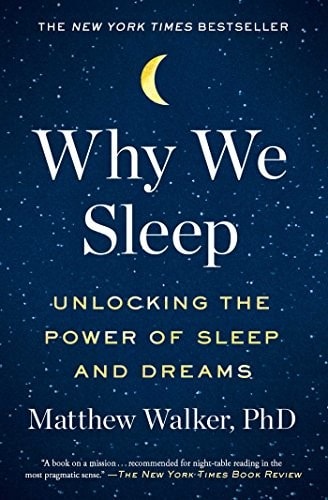 Sleep Optimization
Matthew Walker & Why We Sleep: The Complete Guide
Why We Sleep (2017) made short sleep feel like a public-health emergency. Matthew Walker is right that 7–9 hours, regularity, and darkness matter more than most supplements. Some statistics were later challenged. This guide keeps the useful protocol, flags the hype, and links the paperback on Amazon.
Read guideLast updated: 2026-09-21 · For informational purposes only. Not medical advice. Consult a healthcare provider before starting any new health protocol. Health disclaimer.