
Matthew Walker & Why We Sleep: The Complete Guide
What the book got right, which claims were debated, and the sleep protocol to run before buying gear
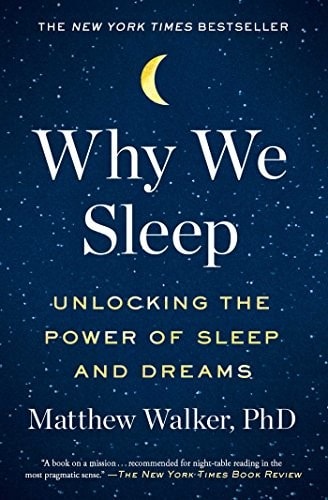
Why We Sleep (2017) made short sleep feel like a public-health emergency. Matthew Walker is right that 7–9 hours, regularity, and darkness matter more than most supplements. Some statistics were later challenged. This guide keeps the useful protocol, flags the hype, and links the paperback on Amazon.
Frequency
Nightly
Duration
Lifelong
Level
Beginner
Key Takeaways
- 1Treat 7–9 hours and a consistent schedule as non-negotiable before cooling mattresses or sleep stacks
- 2Deep NREM and REM do different jobs — alcohol and late caffeine vandalize both
- 3A few headline numbers in the book were overstated; the core habits still hold
- 4Screen for apnea if you snore, gasp, or stay exhausted — books and tape are not CPAP
Who this is for
- ·People who still brag about six hours
- ·Anyone about to buy Eight Sleep before fixing caffeine and light
- ·Readers who finished Outlive and need the sleep companion
- ·Gift buyers for high-performing insomniacs
Who Is Matthew Walker?
Matthew Walker, PhD, is a professor of neuroscience and psychology at UC Berkeley and founder of the Center for Human Sleep Science. Why We Sleep (Scribner, 2017) became a global bestseller after he spent years translating sleep lab findings for a public that still treated rest as leftover time.
He later hosted a MasterClass and became a regular on Huberman, Attia, and Rogan. The book’s mission — make sleep a first-order health behavior — is widely praised even by critics of specific citations.
What Held Up
Strong EvidenceSleep is not optional recovery: it is when the brain clears metabolites, consolidates memory, and regulates glucose and blood pressure. Chronic short sleep associates with worse cardiometabolic and cognitive outcomes.
Regularity may matter as much as duration. A moving bedtime wrecks circadian amplitude. Darkness, a cooler room, and a caffeine cutoff 8–10 hours before bed are boring and effective.
Alcohol is not a sleep aid. It fragments the second half of the night and suppresses REM. That chapter changed more drinking habits than any gadget review.
What Was Debated
Moderate EvidenceSleep scientists (including some public write-ups after publication) argued that a few WHO-style statistics, cancer claims, and ‘short sleep is a catastrophe’ phrasings were stronger than the underlying papers.
That does not make six hours optimal. It means you should not use the book as a citation dump in an argument. Use it as a motivation engine, then follow current reviews and your clinician for disease-specific claims.
If the book made you anxious about imperfect nights, that is a known side effect. NSDR, cognitive behavioral therapy for insomnia (CBT-I), and dropping sleep trackers for a week are reasonable counters.
The Protocol After You Close the Book
Strong EvidenceFix the free layer first: same bedtime/wake (±30 min), bedroom cool and dark, no caffeine after early afternoon, no ‘nightcap,’ morning outdoor light.
Then environment: mouth tape only if nasal breathing is possible (strips help), sleep mask, then cooling if you are a hot sleeper. Then supplements: magnesium, optional glycine 3g, then apigenin/theanine. See the Huberman sleep-stack guide.
If you snore, witness apneas, or cannot stay awake in the afternoon, get a sleep study. Walker is not a substitute for airway medicine.
- ·Schedule first, gadgets second, capsules third
- ·Caffeine cutoff 8–10 hours before bed
- ·Alcohol is a REM toxin, not a sedative strategy
- ·Apnea symptoms → clinic, not more melatonin
Why We Sleep on Amazon
Paperback ASIN 1501144324 — the edition most people actually annotate. Hardcover and audiobook exist; Walker reading the audio is popular for the first pass.
Pair with Outlive for the Medicine 3.0 frame and with our sleep-optimization and sleep-cooling guides for gear.
As an Amazon Associate, Reo Tuku Iho Limited earns from qualifying purchases through Amazon links on this site. Full disclosure
Sources
Key references cited in this guide. Links open the original publication or abstract.
- Why We Sleep: Unlocking the Power of Sleep and DreamsScribner, 2017
- Sleep duration and cardiometabolic risk — AHA scientific statementCirculation, 2016
Continue Reading
 Sleep Optimization
Sleep Optimization: The Complete Guide
Sleep is the foundation every biohacker builds on, Huberman calls it the #1 performance enhancer. This guide covers the science of sleep stages, temperature regulation, light protocols, tracking with wearables, and the complete toolkit for deep restorative sleep.
Read guide Sleep Optimization
Huberman Sleep Stack: The Buying Guide
Andrew Huberman’s evening stack — magnesium, L-theanine, and apigenin, often with glycine — is the most copied supplement protocol on the internet. Evidence is strongest for magnesium and glycine, thinner for apigenin. This buying guide ranks what to purchase, in what order, and links Amazon-available SKUs we already review.
Read guide Sleep Optimization
Circadian Rhythm Optimization: The Complete Guide
Your circadian rhythm governs sleep, hormones, metabolism, and mood. Huberman and Walker's most foundational advice isn't a supplement or gadget, it's light exposure timing. This guide covers the complete circadian protocol: morning sunlight, evening protection, meal timing, and temperature.
Read guide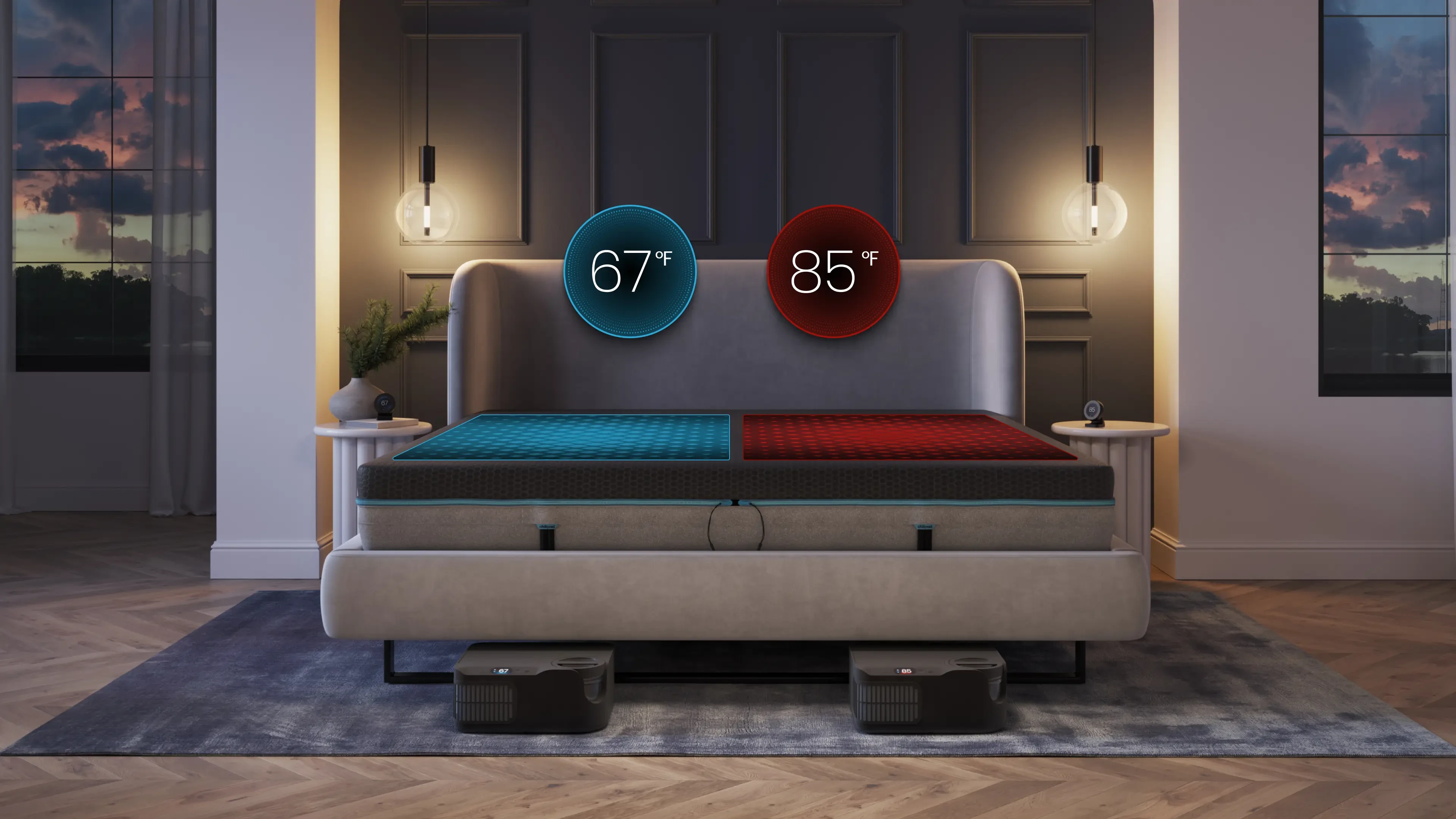 Sleep Optimization
Sleep Cooling: Mattresses, Pads & Temperature Protocols
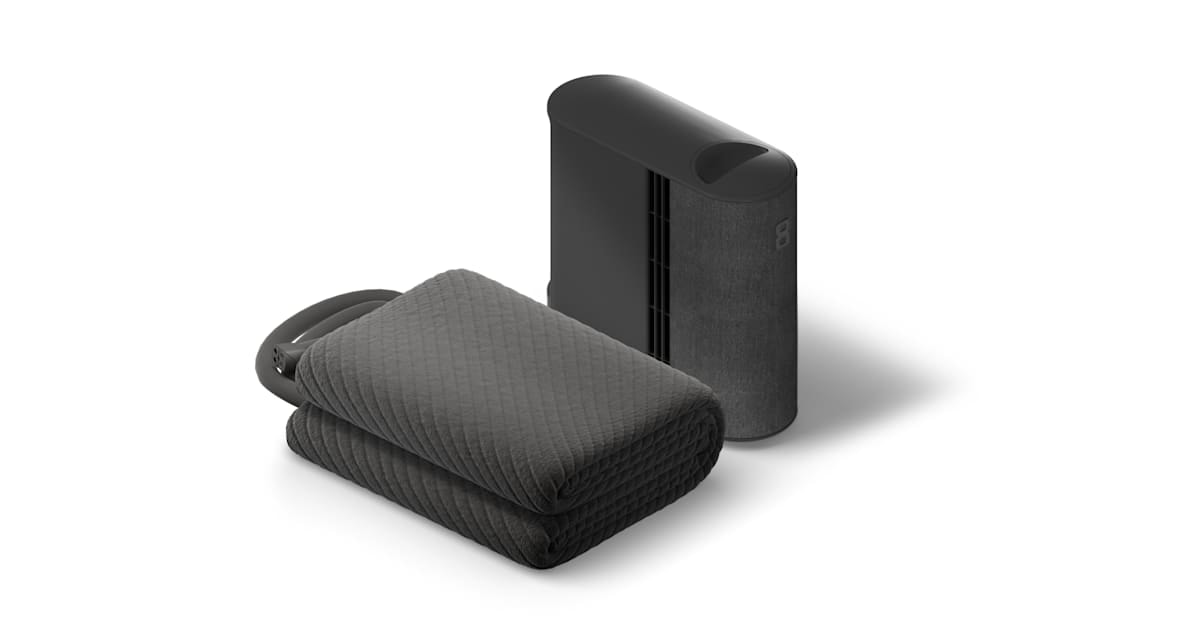
Sleep onset requires a 1–3°F core body temperature drop. Hot sleepers, couples with different preferences, and anyone chasing deep sleep often invest in active cooling — from $60 fan setups to $3,000 smart mattresses. This guide covers the science, equipment tiers, and Matthew Walker's temperature targets. For a head-to-head buy decision, see Eight Sleep vs BedJet vs Chilipad.
Read guideSleep OptimizationMelatonin for Sleep: The Complete Guide
Melatonin is a hormone, not a harmless supplement. Used correctly — low dose, short term, timed early — it helps jet lag and circadian shifts. Used nightly at high doses, it may disrupt natural production and sleep architecture. This guide separates appropriate use from default drugstore habits.
Read guide Cognitive Enhancement
Caffeine Optimization: The Complete Guide
Caffeine is the most used cognitive biohack on earth — and the most common sleep sabotage. This guide covers circadian timing (Huberman delay), half-life genetics, L-theanine pairing, and when to quit after lunch for HRV and deep sleep.
Read guide Sleep Optimization
Mouth Tape & Nasal Breathing: The Complete Guide
Mouth taping encourages nasal breathing during sleep, which may reduce snoring, dry mouth, and fragmented sleep architecture. Popularized by James Nestor's 'Breath' and the Buteyko community, it's one of the cheapest sleep biohacks. This guide covers safe taping methods and contraindications.
Read guide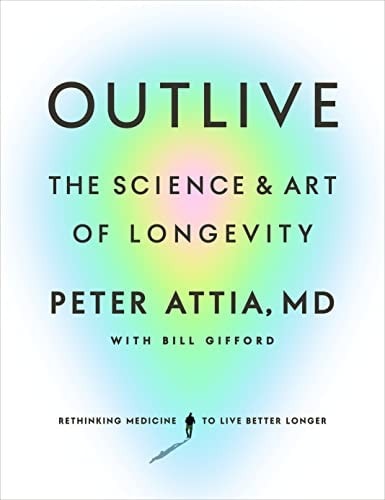 Supplements
Peter Attia & Outlive: The Complete Guide
Peter Attia’s Outlive (2023) is the most useful popular longevity book of the decade: delay the Four Horsemen (atherosclerosis, cancer, neurodegeneration, metabolic disease) with exercise, lipids, sleep, and emotional health — not a supplement haul. This guide translates the book into a sequence you can actually run, and links the hardcover on Amazon.
Read guide Sleep Optimization
NSDR and Yoga Nidra: The Complete Guide
Non-sleep deep rest (NSDR) is Andrew Huberman's umbrella term for yoga nidra and related guided protocols that drop you into a deeply relaxed, often hypnagogic state without requiring a full nap. This guide covers the sleep and stress evidence, how to run a session, and when NSDR beats caffeine.
Read guideLast updated: 2026-09-21 · For informational purposes only. Not medical advice. Consult a healthcare provider before starting any new health protocol. Health disclaimer.