
Kelly Starrett & Built to Move: The Complete Guide
Ten vital-sign tests, floor sitting, and the mobility book meant for desk humans
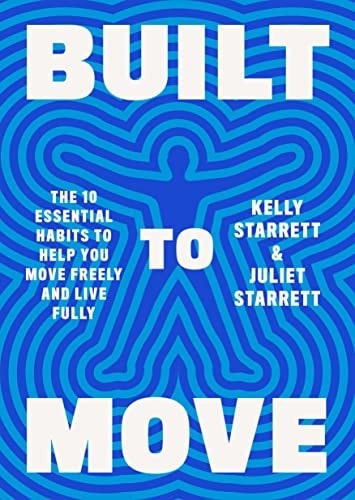
Built to Move (2023) is The Ready State for people who sit. Ten screens plus ten daily practices — breath, steps, range, sleep. This guide extracts the tests you will actually repeat and pairs the book with a foam roller and a walking habit.
Frequency
Daily 10–20 minutes plus walking
Duration
Ongoing durability practice
Level
Beginner
Key Takeaways
- 1Run the sit-rise and step-count screens before you buy another recovery gadget
- 2Minutes on the floor beat a 90-minute mobility class you will skip
- 3A roller helps; a $2,000 course is optional
- 4Pain that is sharp is a clinician, not a harder stretch
Who this is for
- ·People whose only mobility work is cracking their neck
- ·Readers comparing Starrett vs Easter vs a PT
- ·Lifters who skip warm-ups and then blog about ‘random’ pain
The Screens That Matter
Moderate EvidenceSit-rise, breath hold, and a honest step count tell you more than a new percussion gun. Fail one, train that, retest in four weeks.
You do not need to photograph every drill. If you cannot get off the floor without hands, that is the program.
Daily Practices
Moderate EvidenceWalk, breathe through the nose, mobilize hips and thoracic spine, sleep. Pair with our walking, foam-rolling, and breathwork guides.
Rucking is extra load, not a substitute for hip range. See Easter if you want the why-discomfort chapter.
What Not to Do
Moderate EvidenceDo not force a couch stretch into a pinched hip. Do not treat the book as post-op rehab. A roller is a tool; it is not surgery.
As an Amazon Associate, Reo Tuku Iho Limited earns from qualifying purchases through Amazon links on this site. Full disclosure
Sources
Key references cited in this guide. Links open the original publication or abstract.
- Built to MoveKnopf, 2023
- Sitting-rising test and mortality — observational contextEur J Prev Cardiol, 2012
Continue Reading
 Tools & Equipment
Foam Rolling: The Complete Guide
Foam rolling is not fascia surgery. It is a cheap way to raise short-term range of motion and take the edge off soreness. This guide covers what the research supports, what to avoid (lumbar spine, acute injuries), and why the TriggerPoint GRID is the default Amazon roller.
Read guide Wearables & Trackers
Daily Walking for Longevity: The Complete Guide
Walking is the highest-ROI movement habit in longevity medicine: lower all-cause mortality, better glucose control, and cognitive benefits — with zero equipment required. This guide separates step-count hype from structured Zone 2, and how wearables should track both.
Read guide Wearables & Trackers
Rucking: The Complete Guide
Rucking is walking with a weighted pack — military in origin, longevity-friendly in practice. It builds aerobic base, leg and core strength, and bone loading without the injury profile of running. This guide covers load progression, heart rate targets, and gear.
Read guide Diagnostics & Testing
Grip Strength & Longevity: The Complete Guide
Handgrip strength is one of the cheapest, best-replicated biomarkers of all-cause mortality and functional aging. It is a marker of whole-body muscle and neuromuscular integrity — not a magic hand muscle. This guide covers how to measure it, what ‘good’ looks like, and how farmers carries and dead hangs beat cheap squeeze rings as the only plan.
Read guide Cognitive Enhancement
Breathwork: The Complete Guide
Breathwork is the most accessible biohack, free, immediate, and backed by real physiology. From Wim Hof's hyperventilation cycles to Navy SEAL box breathing, controlled breathing shifts autonomic state in minutes. This guide covers protocols, mechanisms, and building a daily practice.
Read guide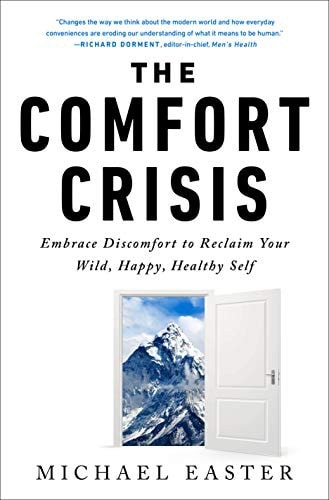 Tools & Equipment
Michael Easter & The Comfort Crisis: The Complete Guide
The Comfort Crisis (2021) is the popular case that climate-controlled, overfed life makes you fragile. The protocol that sticks is weighted walking plus outdoor time. This guide extracts the ruck practice and leaves the 33-day hunt as optional memoir.
Read guideLast updated: 2026-09-22 · For informational purposes only. Not medical advice. Consult a healthcare provider before starting any new health protocol. Health disclaimer.