
BedJet vs Sleepme: Which Sleep Cooling System to Buy
Air under the sheet versus water on the mattress, and which one is worth it on Amazon
BedJet 3 and Sleepme Dock Pro are the two active sleep-cooling systems you can buy on Amazon. BedJet blows conditioned air under the covers for $399–$549. Sleepme circulates water through a pad on the mattress for $699–$999 and holds a surface temperature. Eight Sleep is the more expensive system, and it is not sold on Amazon. For the science of why temperature matters, start with Sleep Cooling.
Frequency
Nightly
Duration
Ongoing
Level
Beginner
Key Takeaways
- 1Buy BedJet 3 ($399–$549) if you overheat sometimes, want heat and cool, and do not want a water reservoir
- 2Buy Sleepme Dock Pro ($699–$999) if you are a serious hot sleeper and want a set mattress-surface temperature
- 3Sleepme is the Chilipad successor: water, 55–115°F, weekly refill
- 4Eight Sleep adds sleep tracking and autopilot, and you buy it from Eight Sleep, not Amazon
Who this is for
- ·Shoppers choosing between BedJet and Sleepme on Amazon
- ·Mild hot sleepers who want the cheaper test
- ·People who already know a fan is not enough
- ·Buyers who refuse a monthly sleep-tracker subscription
Air or Water
Both products exist because falling asleep takes a drop in core temperature, and a foam mattress plus a duvet traps the heat you are trying to lose. They remove that heat in different ways.
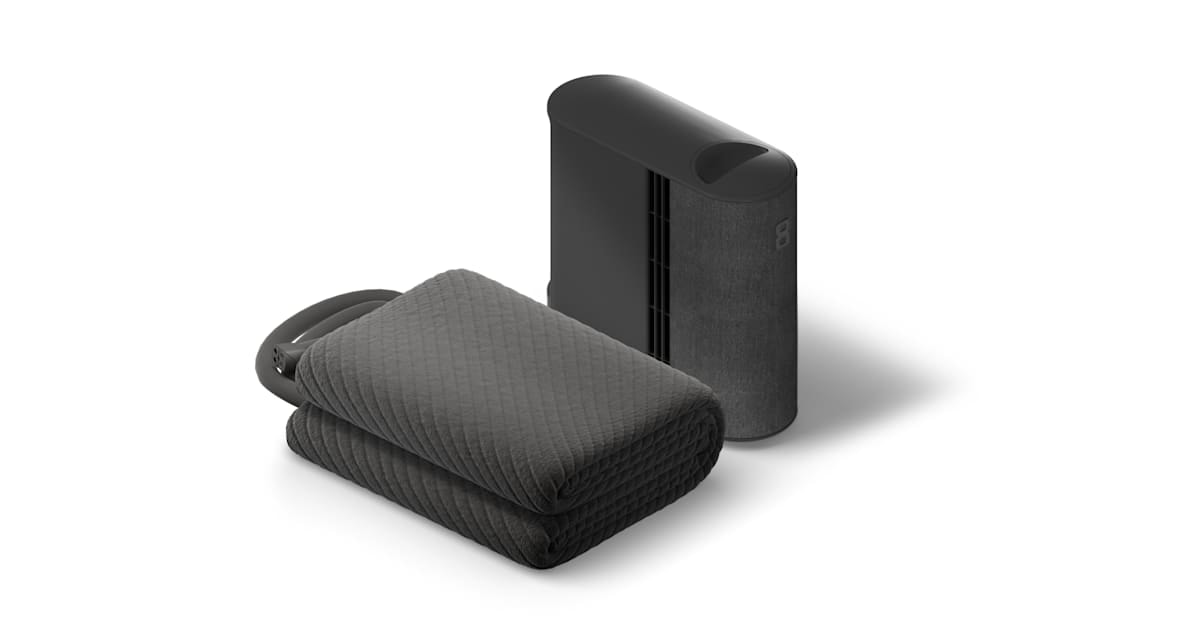
BedJet sits at the foot of the bed and pushes conditioned air through a sheet layer. There is no water to spill and nothing to refill. The tradeoff is precision: it cools the air around you, and high fan settings are noticeable.
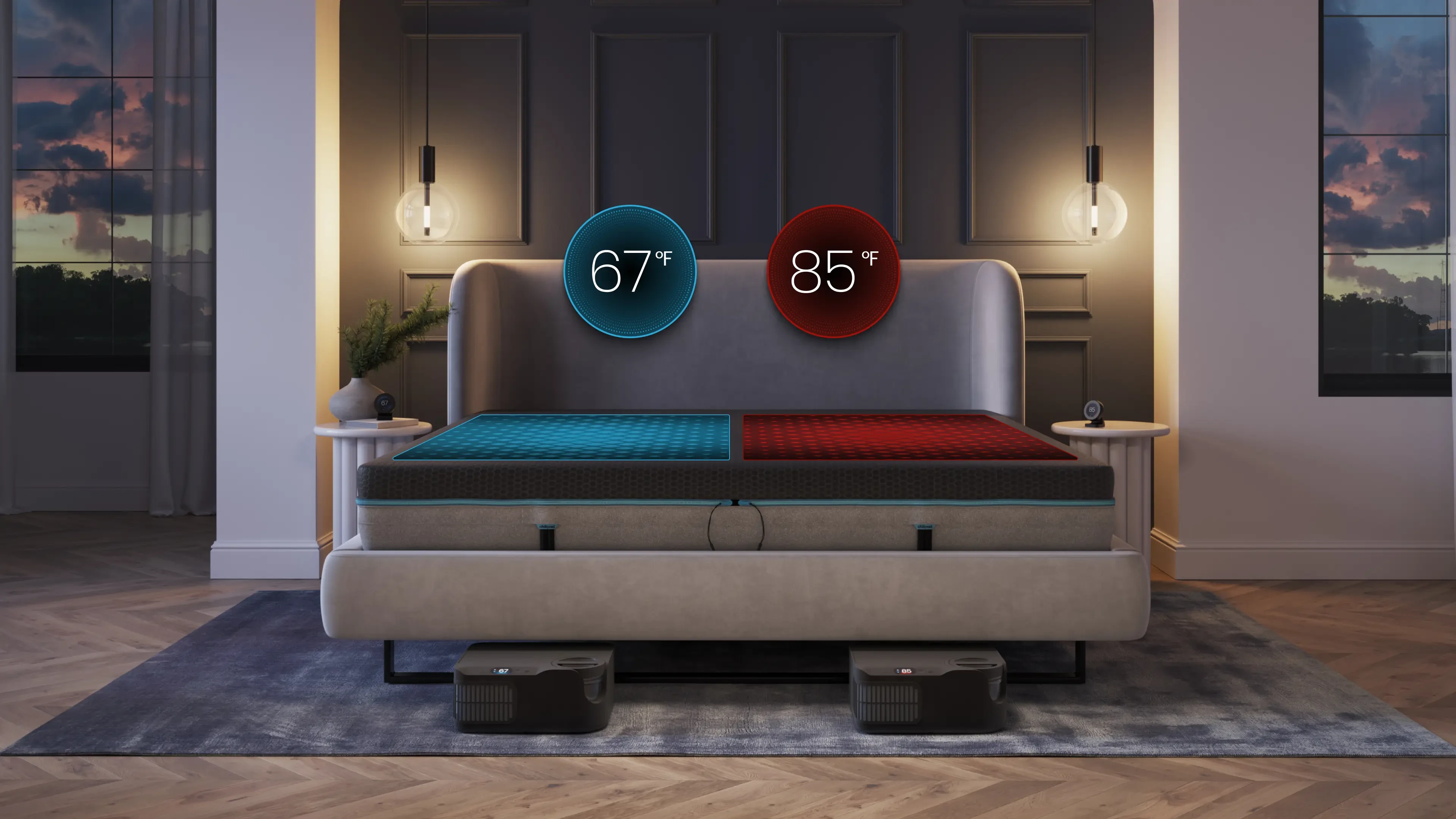
Sleepme Dock Pro (the current ChiliPad) heats or cools water and runs it through a thin pad on the mattress. The listed range is 55–115°F. Most hot sleepers settle around 60–65°F. You refill the reservoir about weekly and clean a filter about monthly.
BedJet 3
Moderate EvidenceBedJet 3 is $399–$549. Setup is a Cloud Sheet under the top sheet and a hose at the foot of the bed, about 15–20 minutes. It does cooling and warming, which matters if you also sleep cold in winter or want warm feet.
Noise is the complaint. Low is usable for most people. High, the setting that actually blasts heat off you, is a fan. If you already wake to small sounds, try it on the lowest setting that still helps before you decide the category is wrong.
A second unit plus a dual-zone sheet is how couples get two temperatures. That closes a lot of the price gap with one Sleepme. Buy one BedJet first if only one of you overheats.
- ·Price: $399–$549
- ·Method: air under the bedding, no reservoir
- ·Best for: mild heat, renters, people who also want a warm mode
- ·Weakness: less even than a water pad, audible on high
Sleepme Dock Pro
Moderate EvidenceDock Pro is $699–$999. The pad is the mattress surface, so the cool does not depend on a stream of air staying under the blanket. Dual-zone queen and king models let one side sit near 60°F while the other stays warmer. That is the actual couples problem, and it is the reason to spend the extra money.
The first nights feel colder than you expect. Give it three to five nights before you judge it. The maintenance is ordinary: water in, filter clean, and you notice when you travel without it.
Buy Sleepme if you already sleep hot in an air-conditioned room, or if a partner's temperature is the fight. Skip it if you only overheat a few nights a month. BedJet answers that for less.
- ·Price: $699–$999
- ·Method: water pad, 55–115°F surface range
- ·Best for: nightly hot sleepers and dual-zone beds
- ·Weakness: reservoir and filter upkeep
Which One to Buy
Default on Amazon: BedJet 3 if you are not sure cooling will change your sleep. It is the cheaper proof.
Buy Sleepme Dock Pro if you already know heat is why you wake up, or you need two temperatures in one bed.
Buy Eight Sleep only if you also want the cover to track sleep and change temperature on its own. That purchase is on Eight Sleep's site, often with a membership for the full features. The three-way page is BedJet vs Chilipad vs Eight Sleep.
Fix the room before either box. A 67–69°F bedroom, a lighter duvet, and a closed door do more than a gadget on a 75°F room. If the room is already cool and you still overheat, then buy the pad or the fan.
As an Amazon Associate, Reo Tuku Iho Limited earns from qualifying purchases through Amazon links on this site. Full disclosure
Sources
Key references cited in this guide. Links open the original publication or abstract.
- Effects of thermal environment on sleep and circadian rhythmJ Physiol Anthropol, 2012
- Warm feet promote the rapid onset of sleepNature, 1999
Continue Reading
 Sleep Optimization
BedJet vs Chilipad vs Eight Sleep: Which to Buy
Sleep temperature regulation is one of the highest-leverage biohacks with genuine evidence behind it, and three systems dominate the category: Eight Sleep Pod, BedJet 3, and Sleepme's Dock Pro (the modern successor to Chilipad, now owned and re-engineered by the same Sleepme team). Eight Sleep uses hydronic water cooling built into a mattress cover with deep sleep-stage automation. BedJet uses forced air instead of water, with no wet components at all. Sleepme's Dock Pro is the direct descendant of the original Chilipad, focused purely on precise temperature control without the smart-home layer. This guide compares the technology, noise, subscriptions, price, and who should buy which. Want the science and budget tiers first? Read Sleep Cooling.
Read guideSleep OptimizationSleep Cooling: Mattresses, Pads & Temperature Protocols
Sleep onset requires a 1–3°F core body temperature drop. Hot sleepers, couples with different preferences, and anyone chasing deep sleep often invest in active cooling — from $60 fan setups to $3,000 smart mattresses. This guide covers the science, equipment tiers, and Matthew Walker's temperature targets. For a head-to-head buy decision, see Eight Sleep vs BedJet vs Chilipad.
Read guideSleep OptimizationSleep Optimization: The Complete Guide
Sleep is the foundation every biohacker builds on, Huberman calls it the #1 performance enhancer. This guide covers the science of sleep stages, temperature regulation, light protocols, tracking with wearables, and the complete toolkit for deep restorative sleep.
Read guide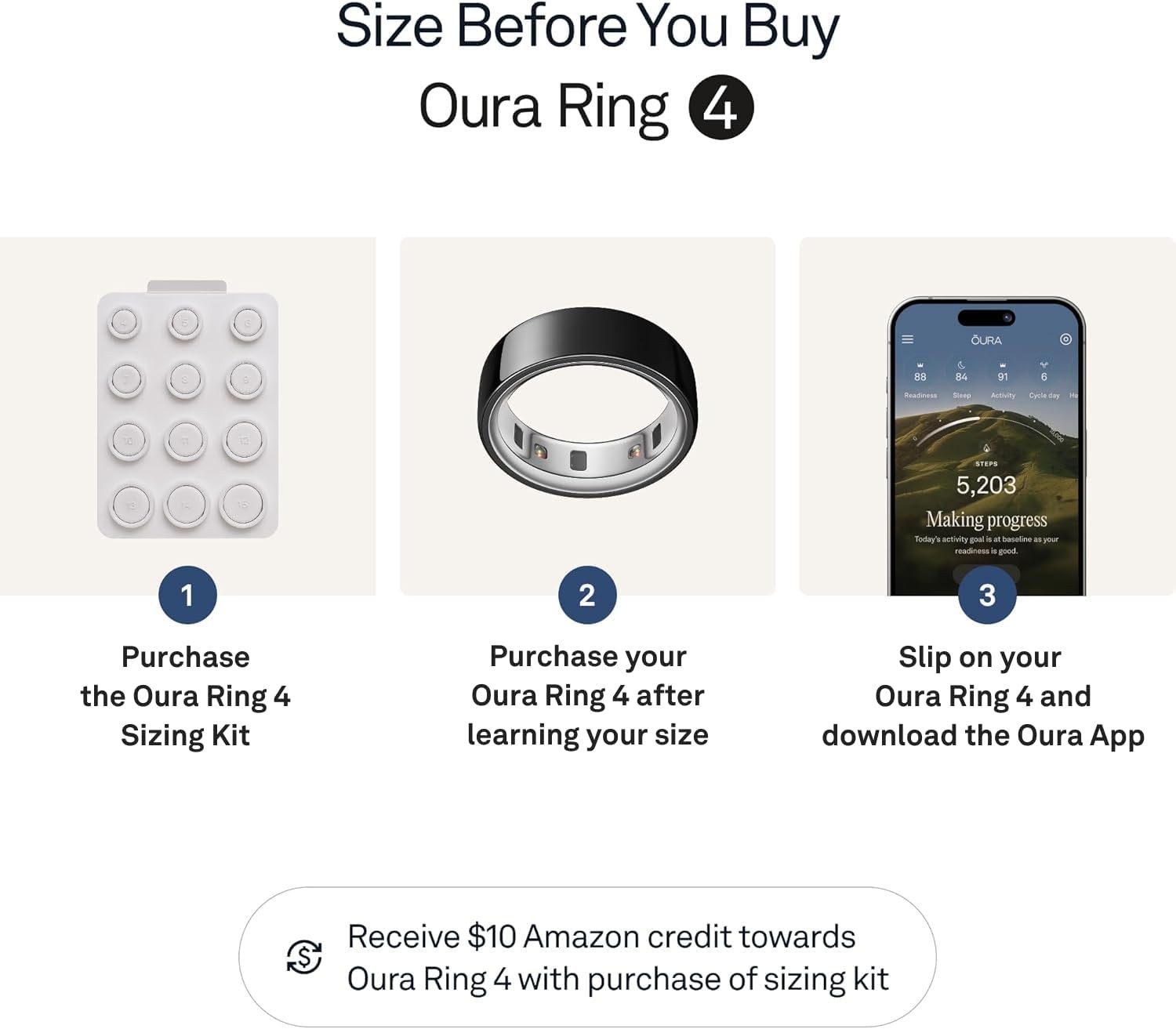 Wearables & Trackers
HRV & Recovery Tracking: The Complete Guide
Heart rate variability (HRV) is the most actionable biometric for biohackers, it tells you when to push hard and when to rest. This guide explains what HRV means, how Oura and WHOOP use it, lifestyle factors that destroy recovery, and how to actually use the data. Ready to buy? See Oura vs WHOOP or Garmin vs Oura vs WHOOP.
Read guide Tools & Equipment
High-Ticket Biohacking Equipment on Amazon
Most premium biohacking gear sells direct-to-consumer only — Oura, Eight Sleep, Joovv, and Plunge require brand websites and long shipping times. But a meaningful tier of $400–$1,000+ equipment is available on Amazon with Prime shipping, buyer protection, and easy returns. This guide maps the highest-ROI high-ticket Amazon purchases by category, what to verify before buying, and where DTC-only brands still win.
Read guideLast updated: 2026-09-30 · For informational purposes only. Not medical advice. Consult a healthcare provider before starting any new health protocol. Health disclaimer.