
Eight Sleep vs BedJet vs Chilipad: Price, Noise & Who Wins
Water cooling vs air cooling, app ecosystems, noise levels, subscriptions, and who should buy which system
Sleep temperature regulation is one of the highest-leverage biohacks with genuine evidence behind it, and three systems dominate the category: Eight Sleep Pod, BedJet 3, and Sleepme's Dock Pro (the modern successor to Chilipad, now owned and re-engineered by the same Sleepme team). Eight Sleep uses hydronic water cooling built into a mattress cover with deep sleep-stage automation. BedJet uses forced air instead of water, with no wet components at all. Sleepme's Dock Pro is the direct descendant of the original Chilipad, focused purely on precise temperature control without the smart-home layer. This guide compares the technology, noise, subscriptions, price, and who should buy which. Want the science and budget tiers first? Read Sleep Cooling.
Frequency
Nightly
Duration
Ongoing
Level
Beginner
Key Takeaways
- 1Eight Sleep Pod: best all-in-one system with autopilot temperature, sleep tracking, and elevation, but requires an ongoing membership for full features
- 2BedJet 3: fastest to warm up, no water reservoir to maintain, best for people who run cold and want rapid heat plus dual-zone with the BedJet Cloud Sleep
- 3Sleepme Dock Pro: the Chilipad successor, quietest of the three, no subscription required for core cooling, best for cooling purists who don't want an app ecosystem
- 4All three solve the same core problem, core body temperature drop drives sleep onset, but they differ enormously in noise, water maintenance, and recurring cost
Who this is for
- ·Hot sleepers ready to spend $500–$4,000 on active cooling
- ·Couples who need dual-zone temperature control
- ·Buyers comparing subscription vs one-time purchase models
- ·People who already know cooling matters and need a product pick
Why Sleep Temperature Control Matters
Strong EvidenceCore body temperature needs to drop roughly 1–2°F to initiate and maintain sleep. This is why a too-warm bedroom is one of the most common causes of poor sleep, and why nearly every sleep hygiene guideline recommends a bedroom in the 65–68°F range. The problem is that ambient room temperature is a blunt instrument, it cools the air but not the mattress surface where heat actually accumulates against skin.
All three systems in this guide solve that problem directly at the sleep surface instead of the room. They actively pull heat away from (or add heat to) the bed itself, which is a more targeted and faster-acting intervention than a thermostat. This matters most for people who run hot, share a bed with a partner who has different temperature needs, or live somewhere air conditioning is expensive or unavailable.
The mechanisms differ meaningfully: Eight Sleep and Sleepme's Dock Pro both use hydronic (water-based) systems that pump temperature-controlled water through tubing in a mattress pad. BedJet instead uses forced, thermoregulated air pumped under the sheets through a hose and diffuser, with no water or tubing at all.
- ·Core temperature drop of 1–2°F is required to initiate and maintain deep sleep
- ·Surface cooling/heating acts faster and more precisely than adjusting room air
- ·Eight Sleep & Sleepme: water-based hydronic systems
- ·BedJet: forced-air system, no water reservoir
Eight Sleep Pod: The Smart Bed Ecosystem
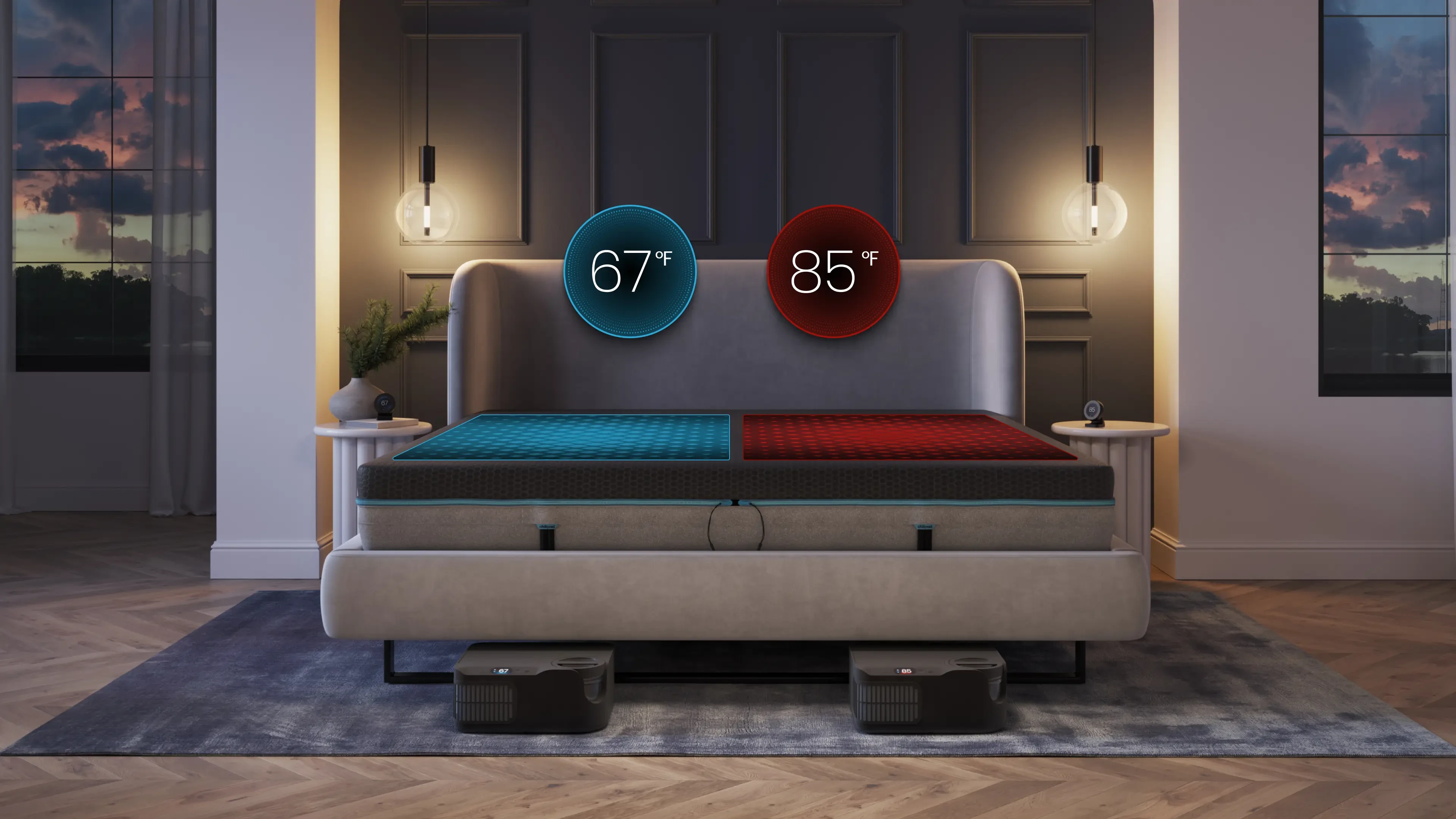
Moderate EvidenceThe Eight Sleep Pod is a mattress cover (or full mattress) with embedded hydronic tubing connected to a bedside water-cooling/heating hub. It ranges from 55°F to 110°F per side, so couples can run opposite temperatures on the same bed. The current generation adds automatic elevation for snoring and reading, and an autopilot mode that adjusts temperature throughout the night based on your sleep stage, HRV, and biometric feedback, cooling deeper during deep sleep and warming slightly before your alarm.
Eight Sleep's real differentiator is the software layer: sleep staging, HRV trends, a readiness-style score, and machine-learning temperature automation that improves over weeks of use. This makes it feel closer to a wearable than a mattress topper, at the cost of the most subscription-dependent model of the three.
Downsides: it's the most expensive system to own long-term, requires wifi and an app account to unlock full automation, and the pump hub has an audible hum some light sleepers notice in a silent room. The reservoir needs occasional water top-ups (roughly monthly).
- ·Temperature range: 55–110°F per side, dual-zone standard
- ·Autopilot mode uses biometrics to auto-adjust overnight
- ·Requires Eight Sleep membership (~$17/mo) for full autopilot and sleep reports
- ·Price: $2,000–$4,500+ depending on mattress vs cover-only and size
BedJet 3: Fast Air-Based Climate Control
Moderate EvidenceBedJet takes a completely different approach: instead of pumping water through tubing, it forces climate-controlled air under the top sheet through a soft hose and diffuser. This means no water reservoir to fill, no tubing that can develop leaks over years, and dramatically faster warm-up, BedJet can go from cold sheets to warm in under a minute, which water-based systems can't match.
BedJet's dual-zone system (two units, one per side) lets couples run independent heat or cool air. It also has a unique 'BiorhythmMode' that mimics the body's natural temperature drop at sleep onset and rise before waking, similar in spirit to Eight Sleep's autopilot but simpler and rules-based rather than biometric-driven.
The trade-off is that airflow, while quiet compared to a window AC unit, is still a moving-air sound some users notice, and the cooling ceiling is lower than water systems since it's cooling with room-temperature air rather than actively chilled water. It's a better heater than cooler in very hot climates.
- ·No water reservoir, no tubing, fastest heat-up in the category
- ·Dual-zone requires two separate units (extra cost for couples)
- ·BiorhythmMode: rules-based overnight temperature curve, not biometric-driven
- ·Price: $549 single-zone, ~$1,000+ dual-zone
Sleepme Dock Pro: The Chilipad's Successor
Moderate EvidenceChilipad was the original consumer sleep-cooling brand and effectively created this category. The company was rebranded to Sleepme, and the Dock Pro is the current flagship, a meaningfully redesigned hydronic system that replaces the older ChiliPad/OOLER hardware with quieter pumps, a larger water reservoir, and app-based scheduling. If you remember 'Chilipad' from a decade of biohacker recommendations, the Dock Pro is what that product has become.
Sleepme's philosophy is narrower and more focused than Eight Sleep's: it does temperature control extremely well without trying to be a full sleep-tracking platform. The core cooling/heating functionality (55–115°F range) works fully without any subscription, the app is used for scheduling and control, not for gated features behind a paywall.
It is consistently reported as the quietest of the three systems, which matters more than most buyers expect, a loud pump 18 inches from your head can undermine the entire point of the product. The trade-off is a less sophisticated software layer: no biometric-driven automation, no HRV or sleep-stage tracking. It's a temperature tool, not a sleep-tracking ecosystem.
- ·Direct successor to the original Chilipad, same core team, redesigned hardware
- ·Temperature range: 55–115°F, dual-zone available
- ·No subscription required for core temperature control
- ·Generally the quietest pump of the three systems
Pricing & Subscription Comparison
Eight Sleep is the most expensive to buy and the only one of the three that meaningfully limits functionality without a paid membership (~$17/month or ~$200/year). Cancel the membership and you keep basic temperature control, but lose autopilot automation and sleep reports, the features most people bought it for.
BedJet has no subscription at all. You pay once for the hardware ($549–$1,000+ depending on configuration) and own 100% of the functionality forever. This makes it the best value for people who don't care about biometric automation.
Sleepme's Dock Pro sits in between on price ($699–$1,199 depending on size and single vs dual-zone) and, like BedJet, has no subscription requirement for core functionality. Over a 3-year ownership window, Eight Sleep can cost $1,000+ more than the other two once membership fees are included.
- ·Eight Sleep: $2,000-$4,500+ hardware, plus ~$17/mo for full automation
- ·BedJet 3: $549-$1,000+ hardware, zero subscription
- ·Sleepme Dock Pro: $699-$1,199 hardware, zero subscription for core cooling
- ·3-year total cost of ownership: BedJet ≈ Sleepme < Eight Sleep
Who Should Buy Which
Buy Eight Sleep if: you want a full sleep-tracking ecosystem with biometric-driven automation, you're already invested in quantified-self tracking, and a monthly membership fee doesn't bother you. It's the best choice for someone who wants one device that both tracks and actively manages their sleep environment.
Buy BedJet if: you run cold and want fast, powerful heat, you don't want a water reservoir to maintain, or you want zero ongoing costs. It's also a strong pick for people prone to night sweats who want rapid airflow rather than a slower-reacting water system.
Buy Sleepme's Dock Pro if: you want the quietest possible system, you specifically want strong cooling performance without a subscription, or you're a longtime Chilipad user looking to upgrade to modern hardware without switching ecosystems.
Skip all three if: your bedroom AC alone keeps you comfortable, or you share a bed and can't agree on splitting the cost of a dual-zone system, mismatched partners are the single biggest driver of dissatisfaction with single-zone units.
Community Consensus
r/eightsleep is dominated by autopilot tuning discussions and complaints about the membership requirement after the free trial ends, but retention is high because users report genuinely better sleep once temperature is dialed in. Pump noise on older Pod generations is a recurring complaint, mostly resolved in current hardware.
r/bedjet users are enthusiastic about warm-up speed and simplicity but frequently note that cooling capacity is noticeably weaker than a water-based system in genuinely hot climates or during summer without AC backup.
Sleepme's community (carried over from the Chilipad era) consistently ranks noise as the top reason people switch from Eight Sleep, and consistently recommends the Dock Pro as the 'no-subscription' alternative for people who just want reliable temperature control.
As an Amazon Associate, Reo Tuku Iho Limited earns from qualifying purchases through Amazon links on this site. Full disclosure
Sources
Key references cited in this guide. Links open the original publication or abstract.
- Warm feet promote the rapid onset of sleepNature, 1999
- Effects of thermal environment on sleep and circadian rhythmJournal of Physiological Anthropology, 2012
- Eight Sleep Pod product specifications and autopilot overviewEight Sleep, 2026
- Sleepme Dock Pro official product pageSleepme, 2026
Continue Reading
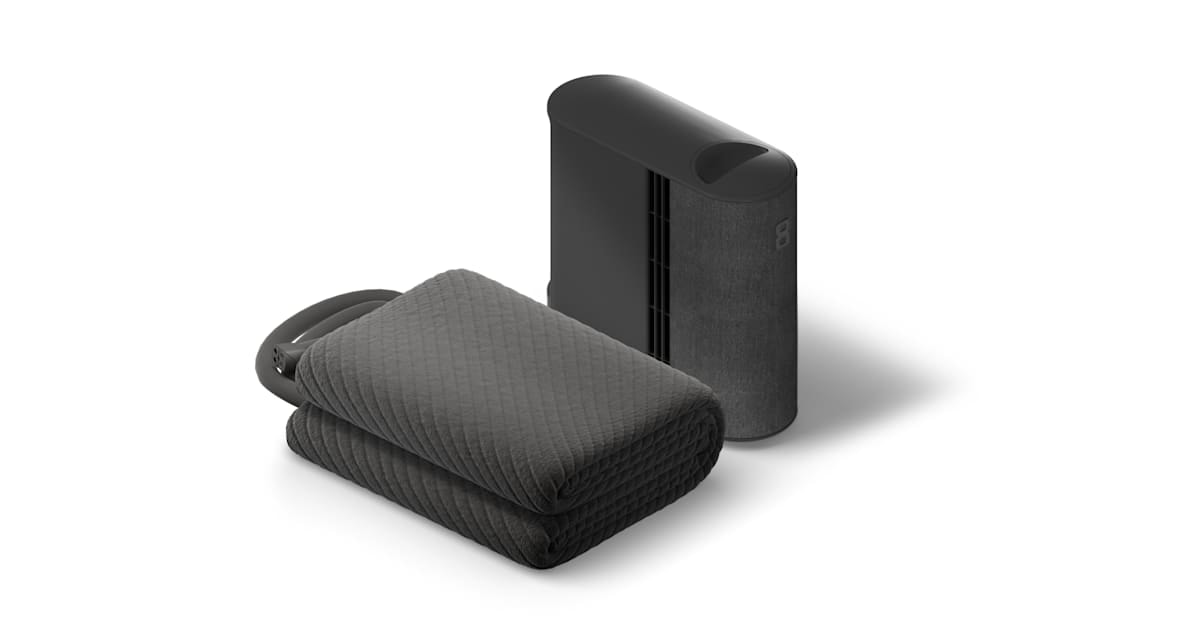
 Sleep Optimization
Sleep Cooling: Mattresses, Pads & Temperature Protocols
Sleep onset requires a 1–3°F core body temperature drop. Hot sleepers, couples with different preferences, and anyone chasing deep sleep often invest in active cooling — from $60 fan setups to $3,000 smart mattresses. This guide covers the science, equipment tiers, and Matthew Walker's temperature targets. For a head-to-head buy decision, see Eight Sleep vs BedJet vs Chilipad.
Read guideSleep OptimizationSleep Optimization: The Complete Guide
Sleep is the foundation every biohacker builds on, Huberman calls it the #1 performance enhancer. This guide covers the science of sleep stages, temperature regulation, light protocols, tracking with wearables, and the complete toolkit for deep restorative sleep.
Read guide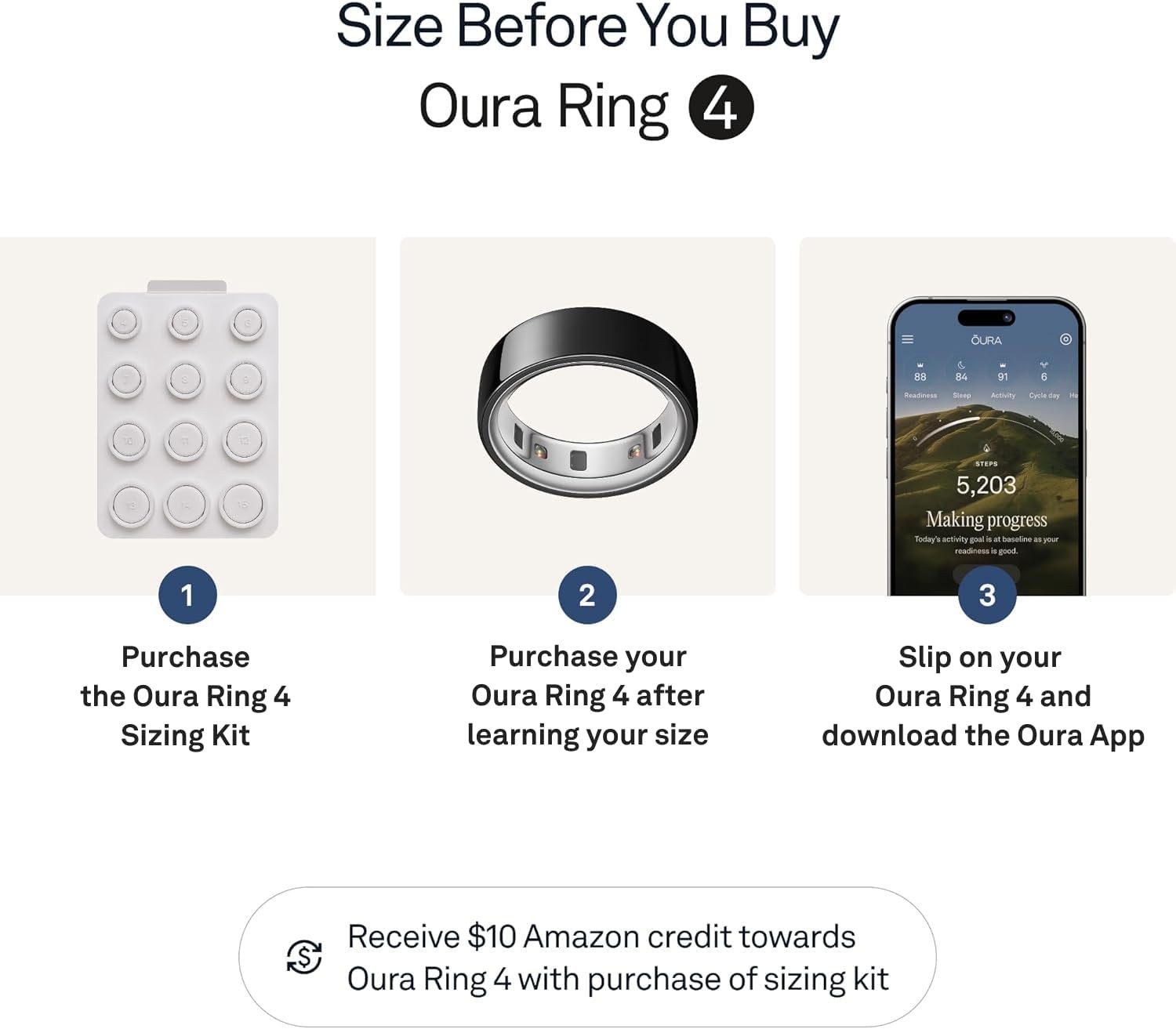 Wearables & Trackers
Oura Ring vs WHOOP (2026): Ring vs Band, Cost & Which to Buy
Oura and WHOOP are the two wearables biohackers debate most. Oura excels at passive sleep staging and HRV detail in an unobtrusive ring. WHOOP excels at training load management with its strain/recovery loop. This guide compares accuracy, pricing, use cases, and who should buy which. Considering Garmin too? See Garmin Fenix vs Oura vs WHOOP.
Read guide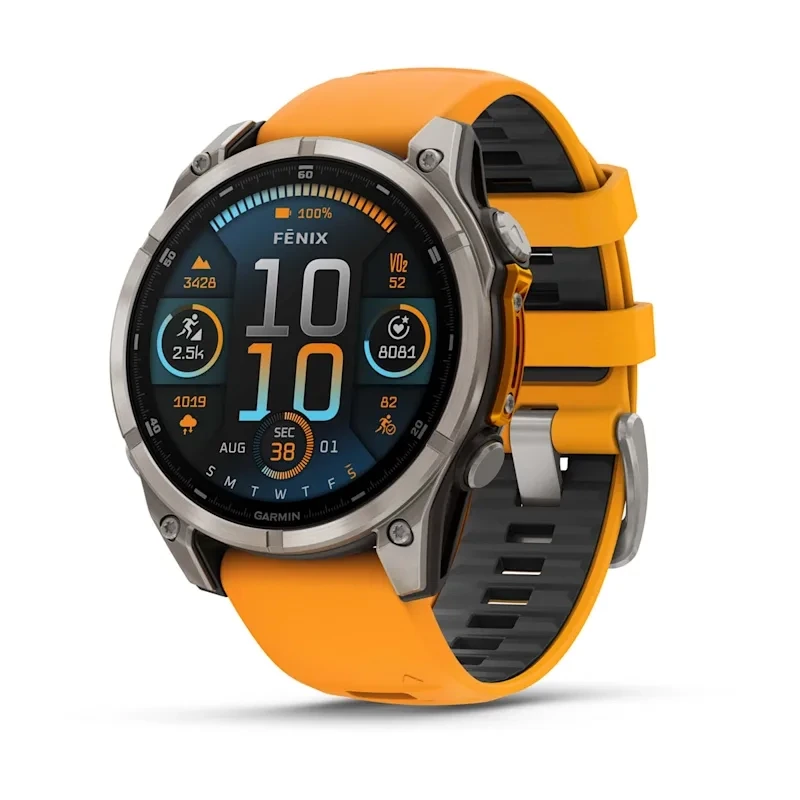 Wearables & Trackers
Garmin Fenix vs Oura vs WHOOP: Training Watch, Sleep Ring, or Strain Band?
Garmin Fenix, Oura Ring, and WHOOP represent three fundamentally different philosophies of wearable tracking. Fenix is a GPS multisport training computer built for structured athletes who need mapping, workout metrics, and multi-week battery life. Oura is a passive sleep and recovery ring built for people who want health insight without any active engagement. WHOOP is a screenless strain-and-recovery band built around a daily push-or-rest decision loop. This guide compares all three across sleep tracking, training features, battery life, pricing, and helps you decide whether you need one, two, or all three. Narrowed to ring vs band only? See Oura vs WHOOP.
Read guide Sleep Optimization
Circadian Rhythm Optimization: The Complete Guide
Your circadian rhythm governs sleep, hormones, metabolism, and mood. Huberman and Walker's most foundational advice isn't a supplement or gadget, it's light exposure timing. This guide covers the complete circadian protocol: morning sunlight, evening protection, meal timing, and temperature.
Read guide Supplements
Magnesium: The Complete Guide
Up to 50% of adults may not meet optimal magnesium intake. It's involved in 300+ enzymatic reactions, sleep, muscle recovery, stress, and heart rhythm all depend on it. This guide breaks down which form to take, when, and how much.
Read guideWearables & TrackersHRV & Recovery Tracking: The Complete Guide
Heart rate variability (HRV) is the most actionable biometric for biohackers, it tells you when to push hard and when to rest. This guide explains what HRV means, how Oura and WHOOP use it, lifestyle factors that destroy recovery, and how to actually use the data. Ready to buy? See Oura vs WHOOP or Garmin vs Oura vs WHOOP.
Read guide Sleep Optimization
Mouth Tape & Nasal Breathing: The Complete Guide
Mouth taping encourages nasal breathing during sleep, which may reduce snoring, dry mouth, and fragmented sleep architecture. Popularized by James Nestor's 'Breath' and the Buteyko community, it's one of the cheapest sleep biohacks. This guide covers safe taping methods and contraindications.
Read guideLast updated: 2026-07-25 · For informational purposes only. Not medical advice. Consult a healthcare provider before starting any new health protocol. Health disclaimer.