
What Is Exercised by Daniel Lieberman About? Walking, Carrying, and Lifting
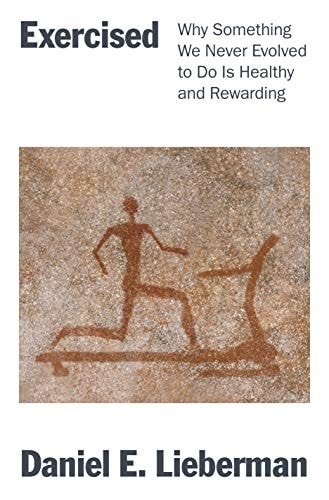
Exercised by Harvard evolutionary biologist Daniel Lieberman: why humans evolved for daily walking and carrying, plus combining steps with resistance training.
Why we never evolved to gym — walk first, then lift, skip the shame
Exercised (2021) is Lieberman’s evolutionary case that voluntary training is a modern invention. Humans evolved to walk, carry, and rest. This guide extracts the walking-first frame and sends you to Zone 2, Easter, and Starrett instead of a $4,000 treadmill.
Frequency
Daily walking plus 2–3 lifts a week
Duration
Decades of manufactured movement
Level
Beginner
Key Takeaways
- 1Schedule walking before you buy another cardio gadget
- 2Sitting is not a toxin — chronic inactivity is
- 3Shame is a terrible coach; convenience wins
- 4Protein and lifting after 50 still matter — this book is the why, not a skip-the-barbell card
Who this is for
- ·Readers comparing Lieberman vs Attia vs Easter
- ·Anyone whose last program lasted nine days
- ·Gift buyers for a relative who will not ‘train’
Never Evolved to Exercise
Strong EvidenceHunter-gatherers moved because calories required it. A gym is optional culture. That is why the couch wins until the walk is on the calendar like a meeting.
See daily walking and Zone 2. A standing desk without steps is furniture.
What to Do Anyway
Moderate EvidenceWalk most days. Lift something. Sprint rarely. Lieberman is anti-shame, not anti-effort. Attia still owns the VO2 and strength chapters on this site.
Keep vs Skip
Moderate EvidenceKeep: steps, some load, sleep. Skip: treating Exercised as a reason to drop protein after 50, and buying a walking pad with a churned ASIN.
As an Amazon Associate, Reo Tuku Iho Limited earns from qualifying purchases through Amazon links on this site. Full disclosure
Sources
Key references cited in this guide. Links open the original publication or abstract.
- ExercisedPantheon, 2021
Continue Reading
 Wearables & Trackers
How Many Steps a Day for Longevity? 7–10k and Post-Meal Walks
Walking is the highest-ROI movement habit in longevity medicine: lower all-cause mortality, better glucose control, and cognitive benefits — with zero equipment required. This guide separates step-count hype from structured Zone 2, and how wearables should track both.
Read guide Wearables & Trackers
Zone 2 Heart Rate Chart: Attia Targets by Age
Peter Attia does not publish a single official zone 2 heart rate chart. He uses a talk test, and in a lab a lactate reading near 2 mmol/L. The chart below is the practical substitute: a Maffetone ceiling of 180 minus age, next to 60–70% of estimated max heart rate. Stay under the ceiling only if you can still speak in full sentences, for 3–4 hours a week.
Read guide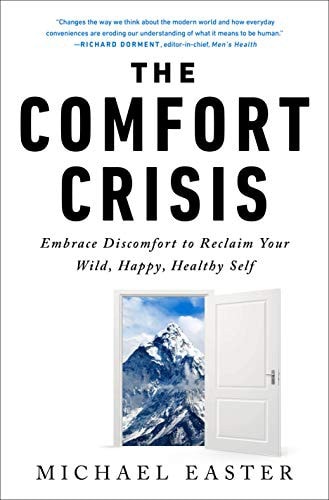 Tools & Equipment
What Is The Comfort Crisis? Rucking, Boredom, and Weighted Vests
The Comfort Crisis (2021) is the popular case that climate-controlled, overfed life makes you fragile. The protocol that sticks is weighted walking plus outdoor time. This guide extracts the ruck practice and leaves the 33-day hunt as optional memoir.
Read guide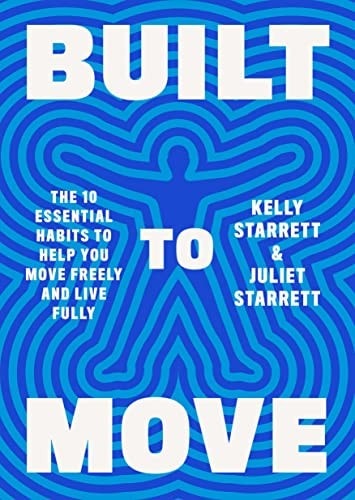 Tools & Equipment
What Is Built to Move? The Sit-and-Rise Test and 10 Daily Habits
Built to Move (2023) is The Ready State for people who sit. Ten screens plus ten daily practices — breath, steps, range, sleep. This guide extracts the tests you will actually repeat and pairs the book with a foam roller and a walking habit.
Read guide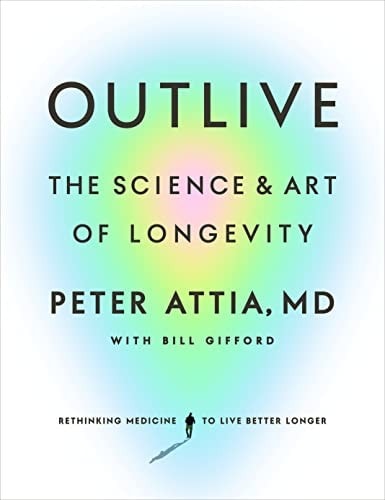 Supplements
What Is Outlive by Peter Attia? The Four Horsemen, Zone 2, and ApoB
Peter Attia’s Outlive (2023) is the most useful popular longevity book of the decade: delay the Four Horsemen (atherosclerosis, cancer, neurodegeneration, metabolic disease) with exercise, lipids, sleep, and emotional health — not a supplement haul. This guide translates the book into a sequence you can actually run, and links the hardcover on Amazon.
Read guide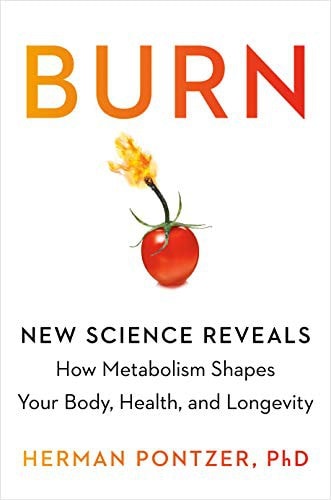 Wearables & Trackers
What Is Burn by Herman Pontzer? Exercise, Calories, and Weight Loss
Burn (2021) is Pontzer’s Hadza-backed argument that 24-hour energy expenditure sits in a narrow band. More training does not linearly raise daily burn. This guide extracts the correction and sends you back to walking, Zone 2, and food — not a watch that ‘earned’ dessert.
Read guide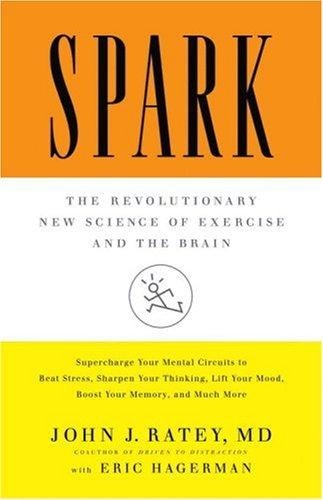 Wearables & Trackers
What Is Spark by John Ratey? Exercise, BDNF, and Focus
Spark (2008) is psychiatrist John Ratey’s case that aerobic work changes the brain: attention, mood, and memory. The Naperville school story is the famous chapter. This guide sends you to Zone 2 and Lieberman before another focus capsule. It is not permission to stop psychiatric medication.
Read guideLast updated: 2026-09-22 · For informational purposes only. Not medical advice. Consult a healthcare provider before starting any new health protocol. Health disclaimer.