
John Ratey & Spark: The Complete Guide
Exercise remodels attention and mood — walk before the next nootropic
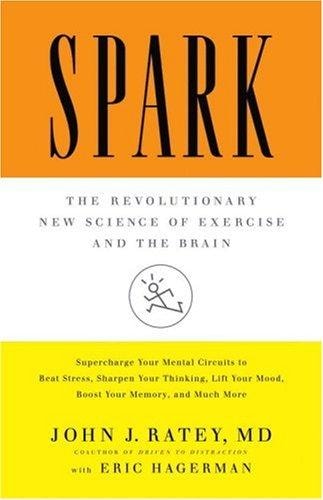
Spark (2008) is psychiatrist John Ratey’s case that aerobic work changes the brain: attention, mood, and memory. The Naperville school story is the famous chapter. This guide sends you to Zone 2 and Lieberman before another focus capsule. It is not permission to stop psychiatric medication.
Frequency
Most days of easy aerobic work, plus lifting
Duration
Ongoing
Level
Beginner
Key Takeaways
- 1A walk is the intervention; lion’s mane is optional later
- 2Ratey’s emphasis is sustained cardio — still lift after 50
- 3Pair with Lieberman (why the couch wins) and Zone 2 (the dose)
- 4ADHD and depression workups stay with a clinician
Who this is for
- ·Readers comparing Ratey vs Lieberman vs Palmer
- ·Anyone whose cart is mushrooms and whose steps are 2,000
- ·Parents and teachers who want the school chapter
Move, Then Pills
Moderate EvidenceBlood flow and BDNF are the mechanism chapters. A morning walk is the protocol. A nootropic stack on 2,000 steps is the miss.
See Zone 2 for the easy aerobic dose and Exercised for why voluntary training feels optional.
What 2008 Does Not Cover
Moderate EvidenceAttia still owns VO2 max and strength on this site. Spark is the brain why, not a reason to skip the barbell after 50.
Keep vs Skip
Moderate EvidenceKeep: scheduled aerobic work, sleep, a clinician if mood or attention is a diagnosis. Skip: stopping prescribed psychiatric medication because a hardcover praised running.
As an Amazon Associate, Reo Tuku Iho Limited earns from qualifying purchases through Amazon links on this site. Full disclosure
Sources
Key references cited in this guide. Links open the original publication or abstract.
- SparkLittle, Brown Spark, 2008
Continue Reading
 Wearables & Trackers
Zone 2 Cardio: The Complete Guide
Zone 2 training, aerobic exercise at a conversational pace, is the most recommended longevity intervention by Peter Attia, Rhonda Patrick, and the longevity community. It builds mitochondrial density, improves metabolic health, and takes 3–4 hours per week. This guide covers heart rate zones, protocols, and tracking.
Read guide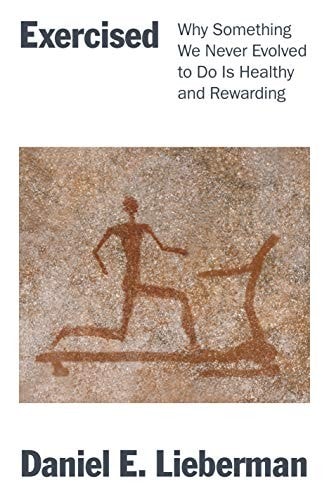 Wearables & Trackers
Daniel Lieberman & Exercised: The Complete Guide
Exercised (2021) is Lieberman’s evolutionary case that voluntary training is a modern invention. Humans evolved to walk, carry, and rest. This guide extracts the walking-first frame and sends you to Zone 2, Easter, and Starrett instead of a $4,000 treadmill.
Read guide Wearables & Trackers
Daily Walking for Longevity: The Complete Guide
Walking is the highest-ROI movement habit in longevity medicine: lower all-cause mortality, better glucose control, and cognitive benefits — with zero equipment required. This guide separates step-count hype from structured Zone 2, and how wearables should track both.
Read guide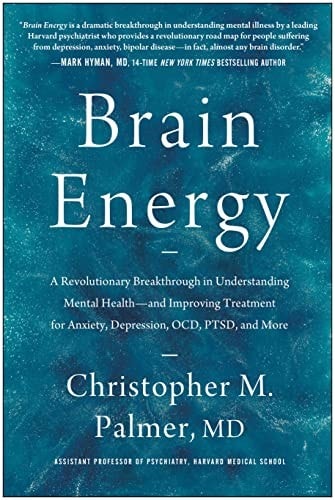 Cognitive Enhancement
Christopher Palmer & Brain Energy: The Complete Guide
Brain Energy (2022) argues that psychiatric diagnoses share impaired brain energy metabolism. The useful move is metabolic labs, sleep, and food quality — not a DIY keto taper. This guide extracts the framework and draws a hard line at stopping prescribed medication.
Read guide Cognitive Enhancement
Nootropics: The Complete Beginner's Guide
Nootropics, 'smart drugs' and cognitive enhancers, range from daily coffee to prescription modafinil. This guide covers the evidence-backed tier list, the caffeine + L-theanine stack, mushroom nootropics, and why sleep beats any pill.
Read guideDiagnostics & TestingVO2 Max: The Complete Guide
VO₂ max — the maximum rate at which you can use oxygen — is one of the best-studied predictors of all-cause mortality. Peter Attia calls it a vital sign. This guide covers lab testing vs wearable estimates, what 'good' looks like by age, and a training mix of Zone 2 plus intervals.
Read guideLast updated: 2026-09-22 · For informational purposes only. Not medical advice. Consult a healthcare provider before starting any new health protocol. Health disclaimer.