
Resveratrol: The Complete Guide
Sirtuins, Sinclair’s stack, why wine math fails, and whether trans-resveratrol is still worth buying
Resveratrol is the grape-and-knotweed stilbene that made sirtuins famous. David Sinclair still discusses it; human outcome trials never matched the mouse headlines. This guide covers form (trans vs blends), dosing with fat, drug interactions, and who might still run a cheap labeled trial.
Health Disclaimer
This content is for general informational and educational purposes only. It is not medical advice, diagnosis, or treatment. Consult a qualified healthcare provider before starting any supplement, peptide, or health protocol. Read our full health disclaimer.
Frequency
Daily with a fat-containing meal (optional)
Duration
8–12 week trial
Level
Beginner

Key Takeaways
- 1Trans-resveratrol is the isomer in the papers — ignore unlabeled ‘red wine extract’ blends
- 2Wine cannot supply research-adjacent capsule doses; do not drink toward a sirtuin target
- 3Human metabolic and longevity endpoints are mixed; treat it as optional after training, ApoB, and sleep
- 4Take with fat; check blood thinners; skip if you are still missing Zone 2
Who this is for
- ·Lifespan readers who want a fair read before another bottle
- ·People already on NR/NMN asking what to pair
- ·Skeptics who want to know why the hype faded
What Is Resveratrol?
Resveratrol is a polyphenol produced by plants under stress. Dietary sources include red grapes, peanuts, and Japanese knotweed (Polygonum cuspidatum) — the source of most capsules. The trans isomer is the one used in sirtuin and metabolic papers.
Sinclair’s early work linked resveratrol to SIRT1 activation in vitro and lifespan extension in some lower organisms. Scaling those doses to humans via wine is a meme, not a protocol.
The Science vs the Headline
Emerging ResearchMechanisms under study: sirtuins, AMPK, mitochondrial biogenesis, and endothelial function. Animal data is heterogeneous. Human trials show occasional improvements in metabolic markers at high doses, not a consistent mortality benefit.
Bioavailability is poor unless taken with fat. Many commercial products under-dose trans-resveratrol or hide it in a blend. If you buy, buy a labeled milligram amount.
- ·Emerging: metabolic markers at high supplemental doses
- ·Moderate: polyphenols in food patterns (Mediterranean) help — that is not a capsule proof
- ·Not proven: human lifespan extension
If You Still Trial It
Emerging ResearchTypical community range: 250–500mg trans-resveratrol with a meal that has fat (yogurt, eggs, olive oil). Sinclair has discussed higher research-adjacent amounts — that is not a consumer default.
Run 8–12 weeks. You will probably feel nothing. Keep only if it sits inside a stack you already reassess (NR/NMN + TMG) and labs/training are in place.
Double Wood’s 500mg extract (50% trans) is a transparent Amazon option — see the product page.
Risks
Moderate EvidencePossible antiplatelet effects — caution with anticoagulants and before surgery. GI upset at higher doses. Pregnancy: skip isolated high-dose polyphenols.
Opportunity cost: money and attention that should have gone to ApoB, Zone 2, and sleep.
As an Amazon Associate, Reo Tuku Iho Limited earns from qualifying purchases through Amazon links on this site. Full disclosure
For educational purposes only. Not medical advice. Read our health disclaimer.
Sources
Key references cited in this guide. Links open the original publication or abstract.
- Resveratrol: a review of human clinical trialsMol Nutr Food Res, 2014
- Lifespan: Why We Age — and Why We Don't Have ToAtria, 2019
Continue Reading
 Supplements
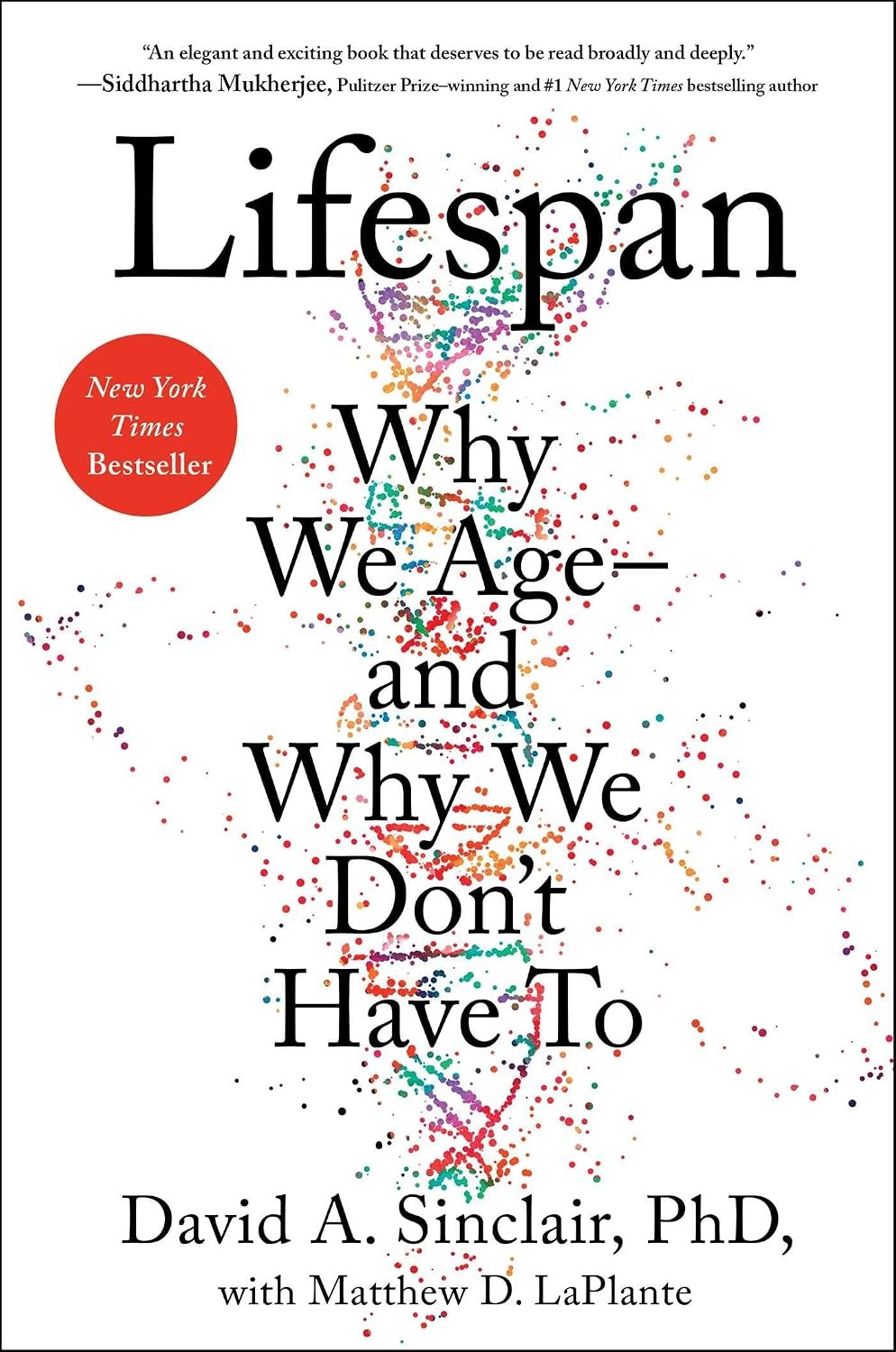
David Sinclair & Longevity Science: The Complete Guide
Harvard geneticist David Sinclair changed public conversation with Lifespan (2019): aging as treatable, NAD+ and sirtuins as levers, fasting and cold as free drugs. This guide explains his research fairly, maps his personal stack, includes longevity-friendly recipes, and links Lifespan editions on Amazon.
Read guide Supplements
NAD+ & Longevity: The Complete Guide
NAD+ is one of the most critical molecules in human biology, essential for energy, DNA repair, and activating longevity pathways. Levels decline ~50% between ages 40–60. This guide explains what NAD+ does, whether supplementation works, NR vs NMN debate, and how to test your levels.
Read guide Supplements
Quercetin: The Complete Guide
Quercetin is a flavonoid from onions and apples that shows up in senolytic stacks, seasonal-allergy protocols, and zinc-ionophore lore. Bioavailability is the product problem; bromelain pairings try to fix it. Human longevity outcomes are not established. This guide covers daily vs pulsed use and a labeled 1g option.
Read guide Supplements
Fisetin & Senolytics: Clearing Zombie Cells
Senolytics are compounds that selectively kill senescent ('zombie') cells — damaged cells that stop dividing but refuse to die, secreting inflammatory signals that accelerate aging. Fisetin, a flavonoid found in strawberries, showed the strongest senolytic activity in Mayo Clinic screens. Human data is early but the biohacking community treats fisetin pulses as a tier-2 longevity intervention.
Read guideSupplementsMitochondrial Health Stack: The Complete Guide
Mitochondrial biohacking is a category, not one pill. CoQ10 supports electron transport, NAD+ precursors feed sirtuins and repair pathways, urolithin A may trigger mitophagy — this guide maps how they differ, typical doses, and the exercise-first hierarchy.
Read guide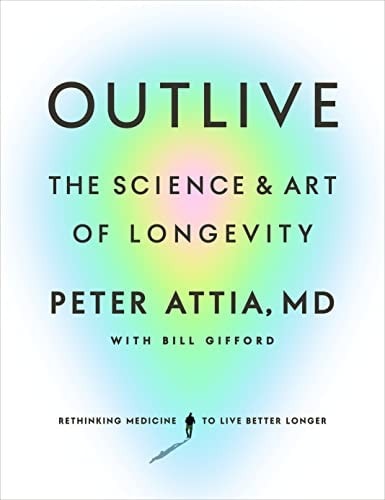 Supplements
Peter Attia & Outlive: The Complete Guide
Peter Attia’s Outlive (2023) is the most useful popular longevity book of the decade: delay the Four Horsemen (atherosclerosis, cancer, neurodegeneration, metabolic disease) with exercise, lipids, sleep, and emotional health — not a supplement haul. This guide translates the book into a sequence you can actually run, and links the hardcover on Amazon.
Read guideLast updated: 2026-09-21 · For informational purposes only. Not medical advice. Consult a healthcare provider before starting any new health protocol. Health disclaimer.