
Home Blood Pressure Monitoring: The Complete Guide
Upper-arm cuffs, seating protocol, and why a watch is not a diagnosis
Home blood pressure is one of the highest-ROI longevity measurements you can own. Clinic readings are noisy; guidelines endorse HBPM for diagnosis and treatment decisions. This guide covers technique, validated upper-arm devices, and when to call a human instead of taking a fifth inflation.
Frequency
Morning and evening for 7 days, then as advised
Duration
Ongoing if hypertensive or borderline
Level
Beginner

Key Takeaways
- 1Use a validated upper-arm cuff (Omron 10 Series is our Amazon default) — not a wrist toy
- 2Sit 5 minutes, back supported, feet floor, cuff on bare skin, arm at heart height
- 3Average two or three morning and evening readings for a week
- 4Crisis symptoms are an ER problem, not a better gadget
Who this is for
- ·Anyone told ‘it’s a little high’ once a year
- ·People comparing clinic white-coat vs home averages
- ·Readers who already own a scale and no cuff
Why Home Beats One Clinic Number
Strong EvidenceWhite-coat and masked hypertension are real. A week of seated home averages is what many clinicians actually want before changing meds.
Blood pressure is a causal risk factor for stroke and heart disease. It is less glamorous than VO2 and more lethal when ignored.
The Protocol
Strong EvidenceEmpty bladder, no caffeine or exercise for 30 minutes, sit quietly, correct cuff size. Talking and scrolling invent 10 mmHg.
TruRead-style triple averages on an Omron beat a single panicked number. Log them. Bring the log.
Devices
Moderate EvidenceUpper arm, validated brand. Wrist units are position-sensitive. Wearable ‘BP’ estimates are entertainment until a society says otherwise.
See the Omron 10 Series product page for the cuff we link.
As an Amazon Associate, Reo Tuku Iho Limited earns from qualifying purchases through Amazon links on this site. Full disclosure
Sources
Key references cited in this guide. Links open the original publication or abstract.
- Home blood pressure monitoring — AHA scientific statementHypertension, 2019
Continue Reading
 Diagnostics & Testing
ApoB & Lipids for Longevity: The Complete Guide
Cardiovascular disease remains a top killer; lipid panels are the cheapest longevity blood test most people skip interpreting correctly. This guide explains ApoB vs LDL-C, Lp(a), and lifestyle plus supplement levers — not statin prescribing.
Read guide Diagnostics & Testing
Blood Panel Testing: The Complete Guide
Annual bloodwork is the foundation of data-driven biohacking. Peter Attia's framework prioritizes ApoB, insulin, HbA1c, and inflammatory markers over standard lipid panels. This guide covers what to test, how often, where to order, and how to interpret results.
Read guide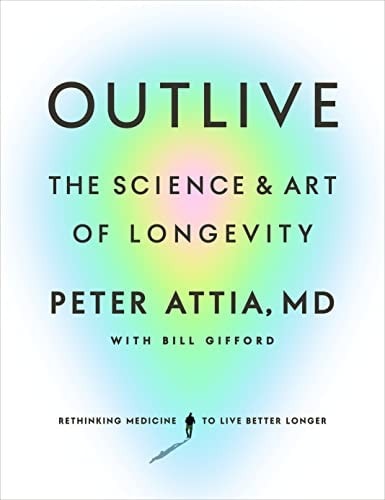 Supplements
Peter Attia & Outlive: The Complete Guide
Peter Attia’s Outlive (2023) is the most useful popular longevity book of the decade: delay the Four Horsemen (atherosclerosis, cancer, neurodegeneration, metabolic disease) with exercise, lipids, sleep, and emotional health — not a supplement haul. This guide translates the book into a sequence you can actually run, and links the hardcover on Amazon.
Read guide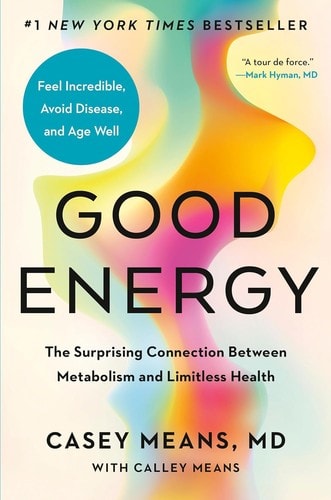 Cognitive Enhancement
Casey Means & Good Energy: The Complete Guide
Good Energy argues that most chronic disease is downstream of impaired cellular energy production. The useful core is cheap labs, walking, sleep, and real food — not a subscription CGM. This guide extracts the protocol and flags the company overlap.
Read guide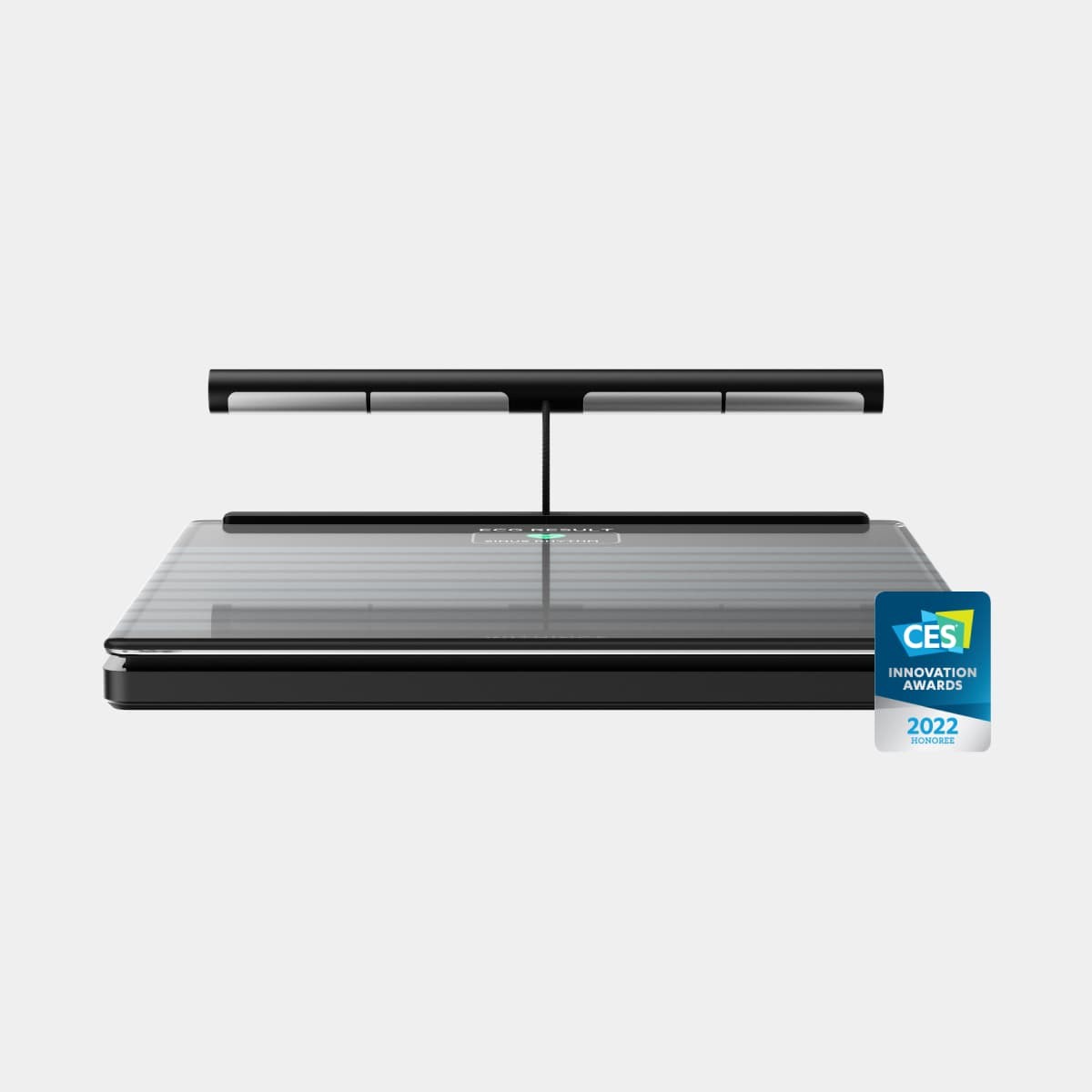 Diagnostics & Testing
Body Composition Tracking: The Complete Guide
Weight alone misleads longevity-focused people — especially on GLP-1s, creatine, or a new lifting program. This guide compares DEXA, smart scales, and waist circumference, and how often to measure without obsession.
Read guideLast updated: 2026-09-21 · For informational purposes only. Not medical advice. Consult a healthcare provider before starting any new health protocol. Health disclaimer.