
Indoor Humidity for Sleep & Nasal Breathing: The Complete Guide
40–50% RH, how to measure it, and why a dirty humidifier is worse than dry air
Dry winter air wrecks nasal breathing, mouth-tape nights, and skin. The target is roughly 40–50% relative humidity — not a steam room. This guide covers cheap hygrometers, the Levoit 300S-class humidifier, cleaning, and how humidity fits next to air purifiers.
Frequency
Nights when indoor RH is low
Duration
Heating season or desert climates
Level
Beginner

Key Takeaways
- 1Measure first — a $15 hygrometer beats guessing
- 2Aim ~40–50% RH in the bedroom; over 55–60% invites dust mites and condensation
- 3Clean weekly or do not run a humidifier
- 4Humidity helps mucosa; it does not treat sleep apnea
Who this is for
- ·Nosebleeds and cracked nasal passages in winter
- ·Tape failures from dryness, not congestion
- ·People who already bought an air purifier and still wake parched
Targets
Moderate EvidenceBelow ~30% RH, mucosa dries and viral particles may linger differently; comfort usually rises once you hit the 40s. Above ~60% you trade dryness for mold and mites.
Place the sensor away from the mist nozzle or you will fool yourself.
Hardware
Moderate EvidenceCool-mist, top-fill, auto-humidity is the easy adult setup. Levoit Classic 300S (6L) is the high-volume Amazon pick. Distilled or filtered water cuts white dust.
Do not run essential oils in a tank that was not designed for them unless the unit has a tray.
Cleaning Is the Product
Moderate EvidenceEmpty unused water. Vinegar the tank weekly. A biofilm humidifier aerosolizes junk into the room you sleep in.
Pair with indoor-air-quality if particles or VOCs are the other problem.
As an Amazon Associate, Reo Tuku Iho Limited earns from qualifying purchases through Amazon links on this site. Full disclosure
Sources
Key references cited in this guide. Links open the original publication or abstract.
- Indoor humidity, comfort, and health — reviewsCurr Allergy Asthma Rep, 2015
Continue Reading
 Sleep Optimization
Mouth Tape & Nasal Breathing: The Complete Guide
Mouth taping encourages nasal breathing during sleep, which may reduce snoring, dry mouth, and fragmented sleep architecture. Popularized by James Nestor's 'Breath' and the Buteyko community, it's one of the cheapest sleep biohacks. This guide covers safe taping methods and contraindications.
Read guide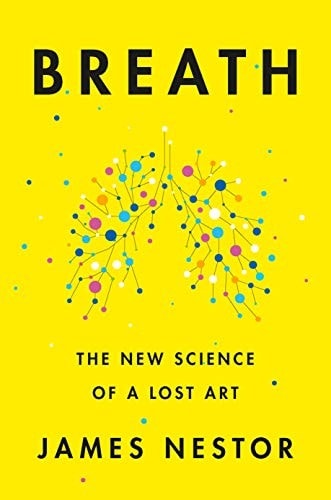 Cognitive Enhancement
James Nestor & Breath: The Complete Guide
Breath (2020) made nasal breathing and mouth tape mainstream. James Nestor’s reporting is strongest on nitric oxide, sleep-disordered breathing, and the cost of chronic mouth breathing — looser on some anthropology. This guide turns the book into a two-week practice and links the hardcover plus tape and nasal strips.
Read guide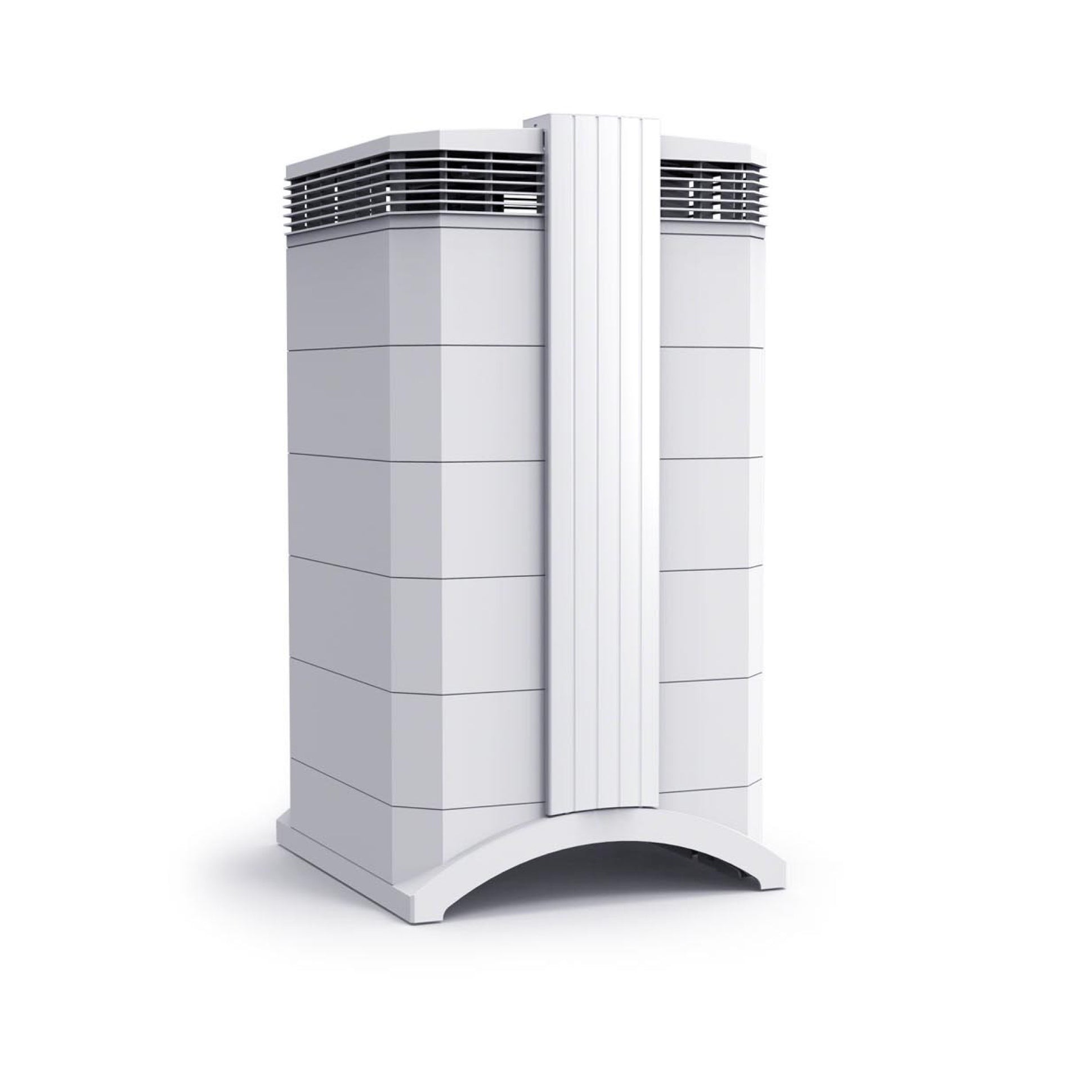 Tools & Equipment
Indoor Air Quality: The Complete Guide
Indoor air is often 2–5× more polluted than outdoor — cooking, VOCs, dust, and wildfire smoke included. Longevity-focused people sleep 8 hours in one room; that room deserves a real filter. This guide covers PM2.5 health effects, purifier sizing, and how premium HEPA units compare.
Read guide Sleep Optimization
Sleep Optimization: The Complete Guide
Sleep is the foundation every biohacker builds on, Huberman calls it the #1 performance enhancer. This guide covers the science of sleep stages, temperature regulation, light protocols, tracking with wearables, and the complete toolkit for deep restorative sleep.
Read guide Tools & Equipment
Environmental Health: Air & Water Guide
You can't out-supplement a toxic environment. Indoor air quality, water contamination (PFAS, lead, chlorine), and EMF exposure are foundational biohacking concerns. This guide covers practical home upgrades ranked by impact and cost.
Read guideLast updated: 2026-09-21 · For informational purposes only. Not medical advice. Consult a healthcare provider before starting any new health protocol. Health disclaimer.