
Weighted Blankets for Sleep: The Complete Guide
~10% of body weight, heat tradeoffs, and who should skip deep-pressure bedding
Weighted blankets are a physical sleep experiment: deep pressure helps some anxious sleepers and overheats others. Evidence for insomnia is mixed. This buying guide covers the 10% heuristic, Gravity vs generics, and why hot sleepers should fix temperature first.
Frequency
Nightly trial
Duration
Keep only if nights improve in 1–2 weeks
Level
Beginner

Key Takeaways
- 1Start around 10% of body weight — 15 lb is the common adult SKU
- 2Cool the room; glass-bead blankets trap heat
- 3Not for infants or anyone who cannot remove the blanket easily
- 4Try three nights; if you kick it off, you have your answer
Who this is for
- ·People who like feeling tucked in
- ·Cool-room sleepers after caffeine and light are fixed
- ·Anyone about to buy another sleep capsule instead
Evidence
Emerging ResearchSmall trials on anxiety and sleep are mixed. Deep-pressure stimulation is the proposed pathway. It will not treat apnea or replace CBT-I.
Subjective ‘I fall asleep faster’ is a valid keep/return criterion.
How to Buy
AnecdotalGravity is the brand that mainstreamed adult blankets; cheaper generics use the same glass beads. Check return windows — this is polarizing.
Hot sleepers: cooling mattress or lighter quilt first (sleep-cooling guide). Do not stack a 20 lb blanket on a 72°F room.
Safety
Moderate EvidenceInfants: no. Respiratory disease, claustrophobia, and limited mobility: skip or ask a clinician. Pets will also have opinions.
As an Amazon Associate, Reo Tuku Iho Limited earns from qualifying purchases through Amazon links on this site. Full disclosure
Sources
Key references cited in this guide. Links open the original publication or abstract.
- Weighted blankets and sleep / anxiety — clinical reviewsAm J Occup Ther, 2020
Continue Reading
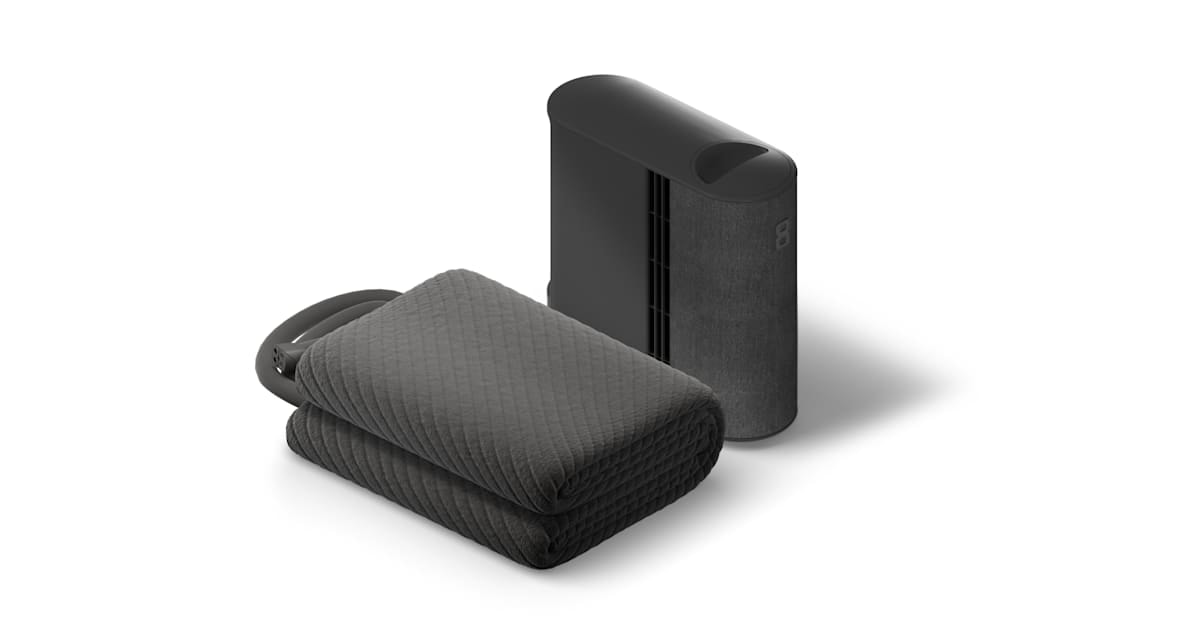 Sleep Optimization
Sleep Optimization: The Complete Guide
Sleep is the foundation every biohacker builds on, Huberman calls it the #1 performance enhancer. This guide covers the science of sleep stages, temperature regulation, light protocols, tracking with wearables, and the complete toolkit for deep restorative sleep.
Read guide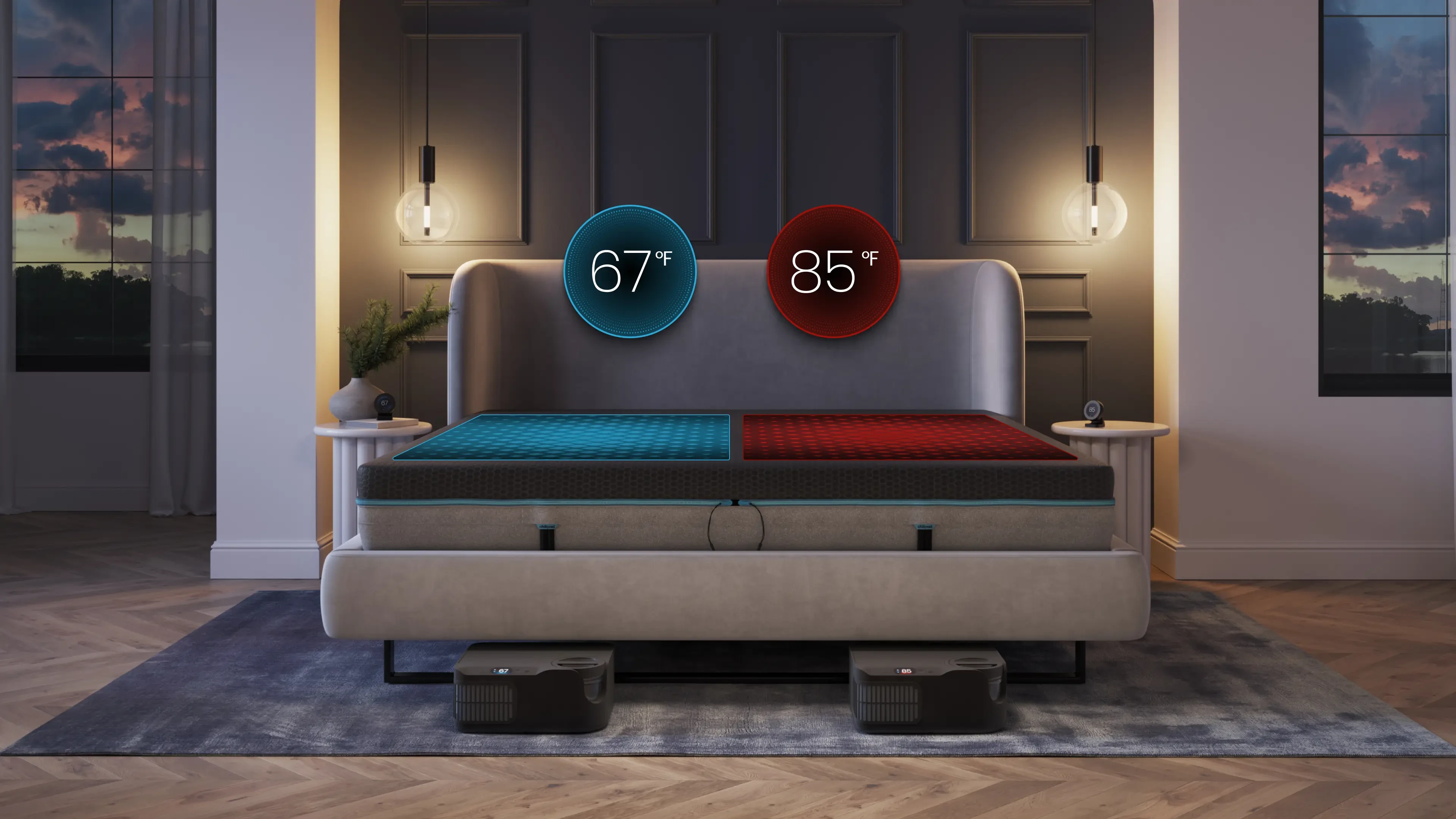 Sleep Optimization
Sleep Cooling: Mattresses, Pads & Temperature Protocols
Sleep onset requires a 1–3°F core body temperature drop. Hot sleepers, couples with different preferences, and anyone chasing deep sleep often invest in active cooling — from $60 fan setups to $3,000 smart mattresses. This guide covers the science, equipment tiers, and Matthew Walker's temperature targets. For a head-to-head buy decision, see Eight Sleep vs BedJet vs Chilipad.
Read guide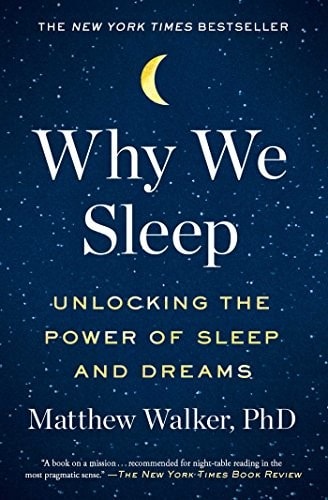 Sleep Optimization
Matthew Walker & Why We Sleep: The Complete Guide
Why We Sleep (2017) made short sleep feel like a public-health emergency. Matthew Walker is right that 7–9 hours, regularity, and darkness matter more than most supplements. Some statistics were later challenged. This guide keeps the useful protocol, flags the hype, and links the paperback on Amazon.
Read guideSleep OptimizationHuberman Sleep Stack: The Buying Guide
Andrew Huberman’s evening stack — magnesium, L-theanine, and apigenin, often with glycine — is the most copied supplement protocol on the internet. Evidence is strongest for magnesium and glycine, thinner for apigenin. This buying guide ranks what to purchase, in what order, and links Amazon-available SKUs we already review.
Read guide Sleep Optimization
NSDR and Yoga Nidra: The Complete Guide
Non-sleep deep rest (NSDR) is Andrew Huberman's umbrella term for yoga nidra and related guided protocols that drop you into a deeply relaxed, often hypnagogic state without requiring a full nap. This guide covers the sleep and stress evidence, how to run a session, and when NSDR beats caffeine.
Read guideLast updated: 2026-09-21 · For informational purposes only. Not medical advice. Consult a healthcare provider before starting any new health protocol. Health disclaimer.