
How to Test Biological Age: Clocks, Blood Panels & Home Tests
How to test biological age: compare DNA methylation clocks (DunedinPACE, GrimAge), free PhenoAge blood panels, and high-ROI home longevity markers (VO2 max, BP, vascular age, HRV, grip strength).
DNA methylation clocks, PhenoAge blood panels, and the functional home biomarkers that actually predict lifespan
How to test biological age: you can measure biological aging three ways — (1) clinical & functional longevity markers with hard mortality outcomes (VO2 max, ApoB, blood pressure, grip strength, HRV, and vascular age), (2) blood-chemistry aging calculators like Levine PhenoAge using 9 routine lab markers, or (3) epigenetic DNA methylation spit/blood kits (GrimAge, DunedinPACE). Because two methylation clocks often disagree, test your functional markers and standard bloodwork first before spending $300 on an epigenetic kit.
Frequency
Home markers weekly; blood/clocks every 6–12 months
Duration
Ongoing baseline tracking
Level
Beginner

Key Takeaways
- 1There are 3 ways to test biological age: functional/clinical biomarkers, PhenoAge blood panels, and DNA methylation clocks
- 2Functional tests (VO2 max, grip strength, home blood pressure, HRV, and vascular age) have stronger mortality data than spit kits
- 3Levine's PhenoAge clock uses 9 cheap standard blood markers (albumin, creatinine, glucose, hs-CRP, CBC) instead of a $300 kit
- 4If you use an epigenetic methylation test, pick 2nd/3rd-generation clocks (GrimAge or DunedinPACE) and retest only on the exact same assay
Who this is for
- ·Anyone searching how to test biological age at home or through labs
- ·Readers comparing free PhenoAge blood calculators against $300 DNA methylation kits
- ·People building a baseline longevity dashboard (BP, HRV, grip strength, vascular age)
How to Test Biological Age: The 3 Methods Ranked
Strong EvidenceWhen people ask how to test biological age, they usually think of a $300 mail-in saliva or blood-spot kit. In reality, longevity researchers and physicians divide biological age testing into three tiers: functional physiological markers, clinical blood-chemistry clocks (like Levine's PhenoAge), and epigenetic DNA methylation clocks (like Horvath, GrimAge, and DunedinPACE).
If your goal is living longer rather than screenshotting a younger birthday, start with Tier 1 and Tier 2. Functional biomarkers and routine bloodwork directly tell you what to fix (blood pressure, insulin resistance, cardiorespiratory fitness, or muscle mass), whereas a methylation clock only outputs a summary score.
| Method | What It Measures | Typical Cost | Actionability |
|---|---|---|---|
| 1. Functional & Home Biomarkers | VO2 max, BP (Omron), Vascular Age (Withings Body Scan), HRV (Oura Ring 4), Grip Strength | $0 – $400 (one-time hardware) | Highest — tells you exactly whether to train cardio, strength, sleep, or BP |
| 2. PhenoAge Blood Clock (Levine) | 9 routine blood markers: Albumin, Creatinine, Glucose, hs-CRP, Lymphocyte %, MCV, RDW, ALP, WBC | $40 – $100 at any standard lab | High — identifies inflammation, metabolic, kidney, or liver drift |
| 3. DNA Methylation Clocks (GrimAge / DunedinPACE) | Cytosine-phosphate-guanine (CpG) methylation patterns on white blood cells | $250 – $500 per kit | Low to Moderate — measures pace of aging (~0.6–1.2 yrs/yr), not what to fix |
Step 1: Measure Functional Biological Age at Home
Strong EvidenceIn Peter Attia's Outlive, cardiorespiratory fitness (VO2 max) and muscular strength (grip strength and leg strength) are stronger predictors of 10-year all-cause mortality than any epigenetic saliva kit. You can benchmark functional biological age at home using four tools:
1. Vascular Age & Body Composition: The Withings Body Scan estimates Vascular Age via pulse wave velocity alongside segmental lean mass and visceral fat. 2. Resting Blood Pressure: Track morning and evening readings with the Omron 10 Series BP Monitor (target <120/80 mmHg). 3. Overnight HRV & Resting Heart Rate: Use an Oura Ring Gen 4 or Polar H10 to compare your HRV and RHR against age-decade norms. 4. Grip Strength: Test and train crush grip with IronMind Captains of Crush Grippers.
Step 2: PhenoAge Blood Panels vs. Epigenetic Methylation Clocks
Moderate EvidenceBefore buying an epigenetic kit, run Morgan Levine's PhenoAge formula on your standard annual blood panel. It requires nine routine lab values (albumin, creatinine, fasting glucose, C-reactive protein, lymphocyte percentage, mean cell volume, red cell distribution width, alkaline phosphatase, and white blood cell count) plus chronological age.
If you still want a DNA methylation test, understand clock generations: 1st-generation clocks (Horvath, Hannum) were trained to predict chronological birthday and are noisy for longevity interventions; 2nd-generation clocks (PhenoAge, GrimAge) predict mortality and healthspan; 3rd-generation clocks (DunedinPACE) measure your current speed of aging (how many biological years you age per chronological year).
When a Methylation Kit Is Worth It (And What to Skip)
Moderate EvidenceBuy an epigenetic test only if you already have ApoB, HbA1c, fasting insulin, blood pressure, sleep, and strength training dialed in, and you want a 12-month check on a major protocol change. Retest using the exact same lab under identical conditions (fasted, no acute illness, no hard workout 24 hours prior).
Skip quarterly retests, skip averaging three different clock brands, and never treat a younger biological-age number as permission to ignore high ApoB or elevated blood pressure.
Frequently Asked Questions
How do you test biological age?
There are three ways to test biological age: (1) functional and clinical markers with proven mortality links — VO2 max, home blood pressure (Omron 10 Series), vascular age (Withings Body Scan), overnight HRV (Oura Ring Gen 4), and grip strength (IronMind Captains of Crush); (2) Levine's PhenoAge blood calculator using 9 standard lab markers; and (3) DNA methylation saliva/blood kits like GrimAge and DunedinPACE.
Are epigenetic biological age tests accurate?
2nd- and 3rd-generation methylation clocks (GrimAge, DunedinPACE) correlate with healthspan and pace of aging in cohorts, but different consumer brands frequently give conflicting ages on the same sample. Always test ApoB, HbA1c, blood pressure, and VO2 max first.
How often should you test your biological age?
Track home biomarkers (blood pressure, HRV, resting heart rate, vascular age, and grip strength) weekly, run standard blood panels every 6–12 months, and repeat an epigenetic methylation test no more than once a year on the exact same assay.
As an Amazon Associate, Reo Tuku Iho Limited earns from qualifying purchases through Amazon links on this site. Full disclosure
Sources
Key references cited in this guide. Links open the original publication or abstract.
Continue Reading
 Diagnostics & Testing
Which Blood Tests for Longevity? ApoB, Insulin, and HbA1c
Annual bloodwork is the foundation of data-driven biohacking. Peter Attia's framework prioritizes ApoB, insulin, HbA1c, and inflammatory markers over standard lipid panels. This guide covers what to test, how often, where to order, and how to interpret results.
Read guide Diagnostics & Testing
ApoB vs LDL-C: Attia Targets and One-Time Lp(a) Testing
Cardiovascular disease remains a top killer; lipid panels are the cheapest longevity blood test most people skip interpreting correctly. This guide explains ApoB vs LDL-C, Lp(a), and lifestyle plus supplement levers — not statin prescribing.
Read guideDiagnostics & TestingWhat Does a DEXA Scan Show? Visceral Fat, Muscle, and Bone T-Scores
Dual-energy X-ray absorptiometry is the clinical standard for bone mineral density and a useful whole-body composition test (lean mass, fat, visceral adipose). Attia and sports-medicine clinics use it as a periodic snapshot. This guide covers what to book, how to prepare, how often to repeat, and what to do with the PDF.
Read guide Supplements
David Sinclair's Protocol: NAD+, Sirtuins, and Lifespan
Harvard geneticist David Sinclair changed public conversation with Lifespan (2019): aging as treatable, NAD+ and sirtuins as levers, fasting and cold as free drugs. This guide explains his research fairly, maps his personal stack, includes longevity-friendly recipes, and links Lifespan editions on Amazon.
Read guide Diagnostics & Testing
What Is Ageless by Andrew Steele? The 10 Hallmarks of Aging
Ageless (2021) is Steele’s civilian tour of aging as a biological target. Hallmarks, senescent cells, immune aging. This guide extracts the frame and sends you to Sinclair, Topol, and a physical — not a 12-bottle cart.
Read guide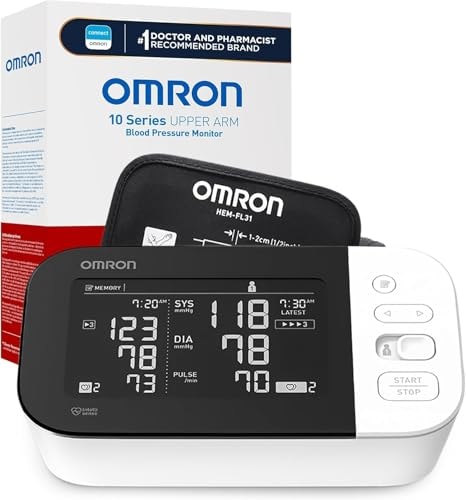 Diagnostics & Testing
How to Measure Blood Pressure at Home: Targets Under 120/80
Home blood pressure is one of the highest-ROI longevity measurements you can own. Clinic readings are noisy; guidelines endorse HBPM for diagnosis and treatment decisions. This guide covers technique, validated upper-arm devices, and when to call a human instead of taking a fifth inflation.
Read guideLast updated: 2026-10-26 · For informational purposes only. Not medical advice. Consult a healthcare provider before starting any new health protocol. Health disclaimer.