
What Are Klotho and Follistatin? Exercise vs Longevity Clinic Hype
Klotho and follistatin longevity guide: alpha-Klotho kidney/brain biology, myostatin inhibition, why exercise raises klotho naturally, and clinic hype warnings.
A 2026 gene-therapy headline — associations and mice, not a weekend injection
Klotho and follistatin are having a 2026 moment because podcasts describe them as gene therapy that does not edit your genome. Klotho is tied, in observational human data, to cognition. Follistatin can grow muscle in animals. That is not an approved longevity treatment, and it is not a reason to fly somewhere for an injection outside normal drug oversight. This page names the claim and the skip.
Frequency
Do not self-experiment
Duration
Wait for a real trial, or skip
Level
Advanced

Key Takeaways
- 1Klotho headlines are mostly blood-level associations, not a proven therapy
- 2Follistatin muscle data that get quoted are largely animal studies
- 3Consumer gene-therapy injections are not an FDA-approved longevity product
- 4Lifting still builds the muscle these ads are selling
Who this is for
- ·Anyone pricing an offshore longevity injection
- ·Readers who want the claim separated from a protocol
- ·People comparing this with rapamycin or GLP-1s, which at least have human drug labels
The Claim
Emerging ResearchThe pitch is a gene therapy that tells your cells to make more of a protein they already make. Klotho is discussed for brain aging. Follistatin is discussed for muscle. Both are real biology. The consumer product is the leap.
Higher klotho in blood has been linked with better cognition in observational work. That does not mean an injection lengthens life. Follistatin variants can increase muscle in animals for a long time. Animals are not the approval.
Why the Trip Is the Problem
Moderate EvidenceGene therapy products that are actually medicines go through regulators because the risks include immune reactions and effects you cannot turn off. A clinic that advertises the shot somewhere with lighter rules, and the bloodwork back home, is not the same thing as a trial.
See peptides and rapamycin for the pattern: attention first, human outcomes later. This one is earlier than both.
Skip
Moderate EvidenceBuying a plasmid, a vial, or a flight because a founder posted bloodwork. Stacking this on top of other research compounds. Treating a mouse strength paper as a protocol. Strength training remains the intervention with human data.
As an Amazon Associate, Reo Tuku Iho Limited earns from qualifying purchases through Amazon links on this site. Full disclosure
Sources
Key references cited in this guide. Links open the original publication or abstract.
- Cellular and gene therapy productsU.S. FDA, 2026
Continue Reading
 Supplements
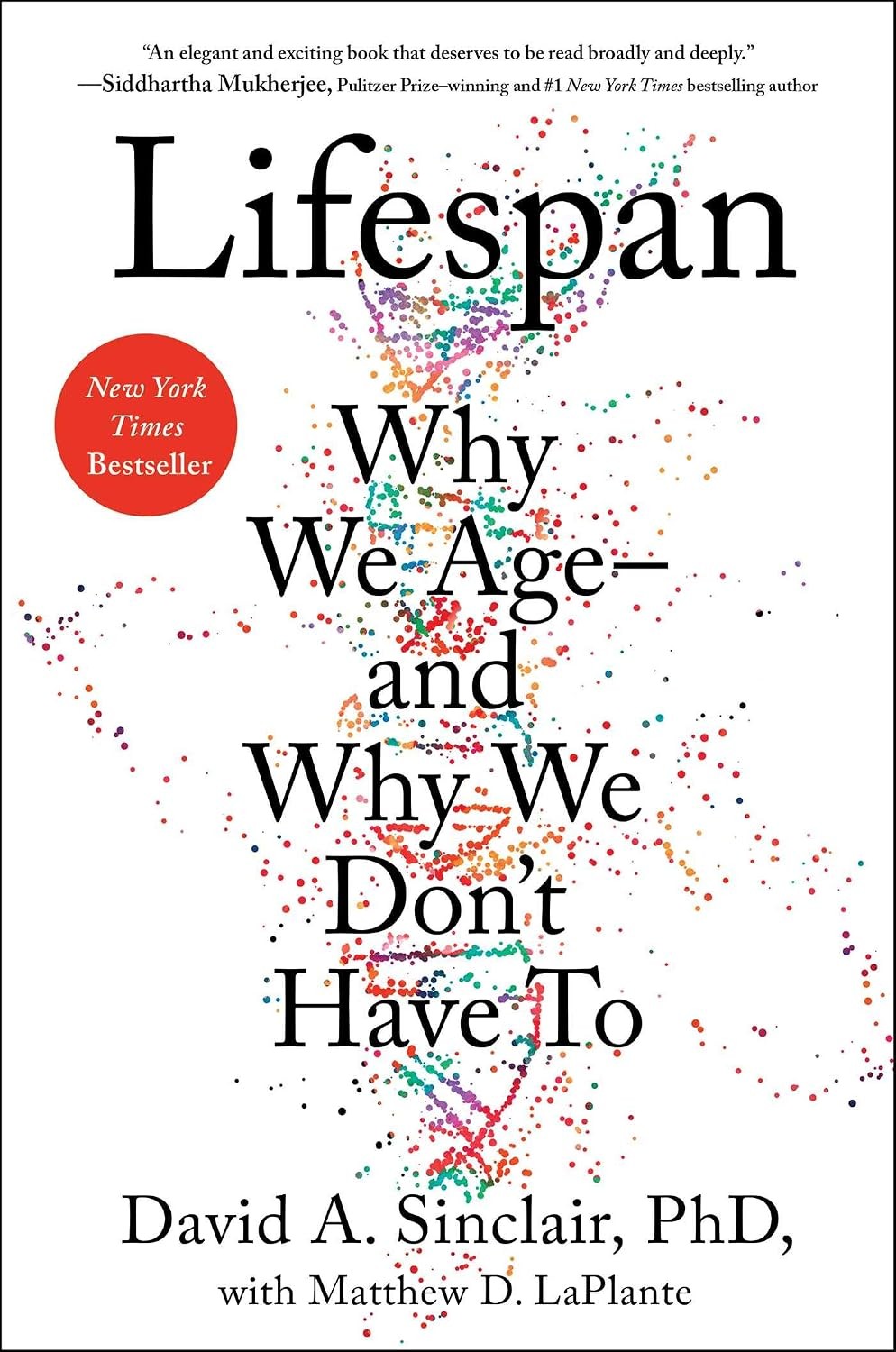
David Sinclair's Protocol: NAD+, Sirtuins, and Lifespan
Harvard geneticist David Sinclair changed public conversation with Lifespan (2019): aging as treatable, NAD+ and sirtuins as levers, fasting and cold as free drugs. This guide explains his research fairly, maps his personal stack, includes longevity-friendly recipes, and links Lifespan editions on Amazon.
Read guide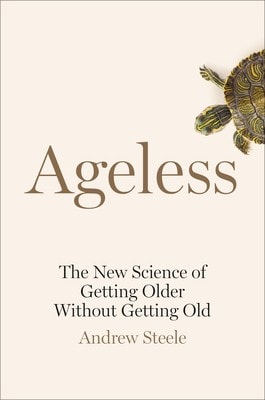 Diagnostics & Testing
What Is Ageless by Andrew Steele? The 10 Hallmarks of Aging
Ageless (2021) is Steele’s civilian tour of aging as a biological target. Hallmarks, senescent cells, immune aging. This guide extracts the frame and sends you to Sinclair, Topol, and a physical — not a 12-bottle cart.
Read guide Peptides
BPC-157, TB-500, and Epitalon: Evidence and Legal Status
Peptides are short chains of amino acids that act as signaling molecules in the body. The biohacking community uses them for recovery (BPC-157), tissue repair (TB-500), and longevity (epitalon). This guide explains the science, the evidence gaps, sourcing risks, and legal status, especially relevant for NZ and international readers.
Read guide Supplements
What Is Rapamycin? Longevity Evidence, mTOR, Risks & Alternatives
Rapamycin (sirolimus) is an mTOR inhibitor with the strongest animal lifespan data in the NIA Interventions Testing Program. Longevity clinics now discuss intermittent, physician-supervised use. This guide covers the science, what human trials actually show, risks, and why it does not belong in a self-serve supplement drawer.
Read guide Wearables & Trackers
Strength Training for Longevity: Grip, Power, and a Weekly Plan
Cardio gets the longevity headlines, but muscle mass, strength, and power are among the strongest predictors of healthy aging. This guide covers why resistance training belongs next to Zone 2, how much is enough, and a beginner-to-intermediate protocol that still works at 70.
Read guideDiagnostics & TestingHow to Test Biological Age: Clocks, Blood Panels & Home Tests
How to test biological age: you can measure biological aging three ways — (1) clinical & functional longevity markers with hard mortality outcomes (VO2 max, ApoB, blood pressure, grip strength, HRV, and vascular age), (2) blood-chemistry aging calculators like Levine PhenoAge using 9 routine lab markers, or (3) epigenetic DNA methylation spit/blood kits (GrimAge, DunedinPACE). Because two methylation clocks often disagree, test your functional markers and standard bloodwork first before spending $300 on an epigenetic kit.
Read guideLast updated: 2026-09-23 · For informational purposes only. Not medical advice. Consult a healthcare provider before starting any new health protocol. Health disclaimer.