
Michael Greger & How Not to Die: The Complete Guide
The Daily Dozen, where the epidemiology is strong, and how to use the book if you are not vegan
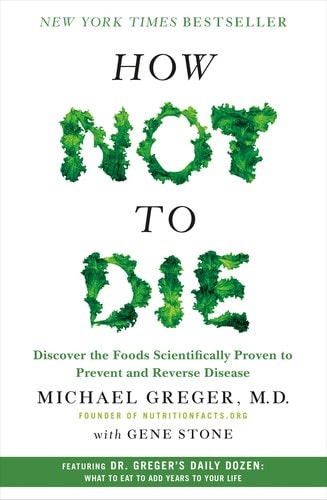
How Not to Die (2015) is NutritionFacts.org in hardcover: fifteen causes of death and the plant foods Greger wants on your plate. The Daily Dozen is the useful protocol. This guide separates strong diet-pattern evidence from ‘reverse disease with broccoli’ headlines and links the book plus olive oil, fiber, and matcha.
Health Disclaimer
This content is for general informational and educational purposes only. It is not medical advice, diagnosis, or treatment. Consult a qualified healthcare provider before starting any supplement, peptide, or health protocol. Read our full health disclaimer.
Frequency
Daily Dozen checklist
Duration
Lifelong food pattern
Level
Beginner
Key Takeaways
- 1Daily Dozen: beans, berries, other fruit, crucifers, greens, other vegetables, flax, nuts, spices, whole grains, beverages, exercise
- 2Strongest ground is replacing ultra-processed food and raising fiber — not winning PubMed fights about dairy
- 3Omnivores can steal the checklist without going vegan; vegans still need B12 and a DHA plan
- 4Pair with Li (angiogenesis foods) and Attia (protein/ApoB) rather than picking a guru
Who this is for
- ·People whose longevity stack is capsules and whose dinner is delivery
- ·Readers comparing Greger vs Li vs Gundry vs Longo
- ·Parents who will use a checklist
Who Is Michael Greger?
Michael Greger, MD, runs NutritionFacts.org — short, citation-heavy videos on diet and disease. How Not to Die (with Gene Stone) became a bestseller by turning that archive into disease chapters plus the Daily Dozen.
He is explicitly whole-food plant-based. That is a lens, not a requirement to use the grocery list.
The Daily Dozen
Moderate EvidenceThe app and book ask for servings, not perfection: legumes, berries, flaxseed (a tablespoon), greens, crucifers, other veg, fruit, nuts, spices (especially turmeric/herbs), whole grains, drinks (water, tea), and 90 minutes moderate activity or 40 vigorous.
Start with flax, beans, and a green at the meal you already cook. Fiber jumps cause gas — titrate. See the psyllium guide if you are far from 25–30g.
What Holds Up
Moderate EvidenceDietary patterns high in plants and low in ultra-processed food associate with better cardiometabolic outcomes. Fiber, polyphenols, and displacement of junk are the boring mechanisms.
‘Reverse’ language is stronger than many papers. Use the book to change groceries, not to delay indicated statins, cancer screening, or B12.
If You Still Eat Animals
Keep extra virgin olive oil and fish if that is your Mediterranean pattern (PREDIMED, Li, Longo). Add Greger’s plants on top. Protein-longevity still matters after 50.
Hardcover ASIN 1250066115 is in the buy box.
As an Amazon Associate, Reo Tuku Iho Limited earns from qualifying purchases through Amazon links on this site. Full disclosure
For educational purposes only. Not medical advice. Read our health disclaimer.
Sources
Key references cited in this guide. Links open the original publication or abstract.
- How Not to DieFlatiron, 2015
- Dietary fiber and cardiometabolic risk — reviewsNutrition Reviews, 2009
Continue Reading
 Supplements
William Li & Eat to Beat: The Complete Guide
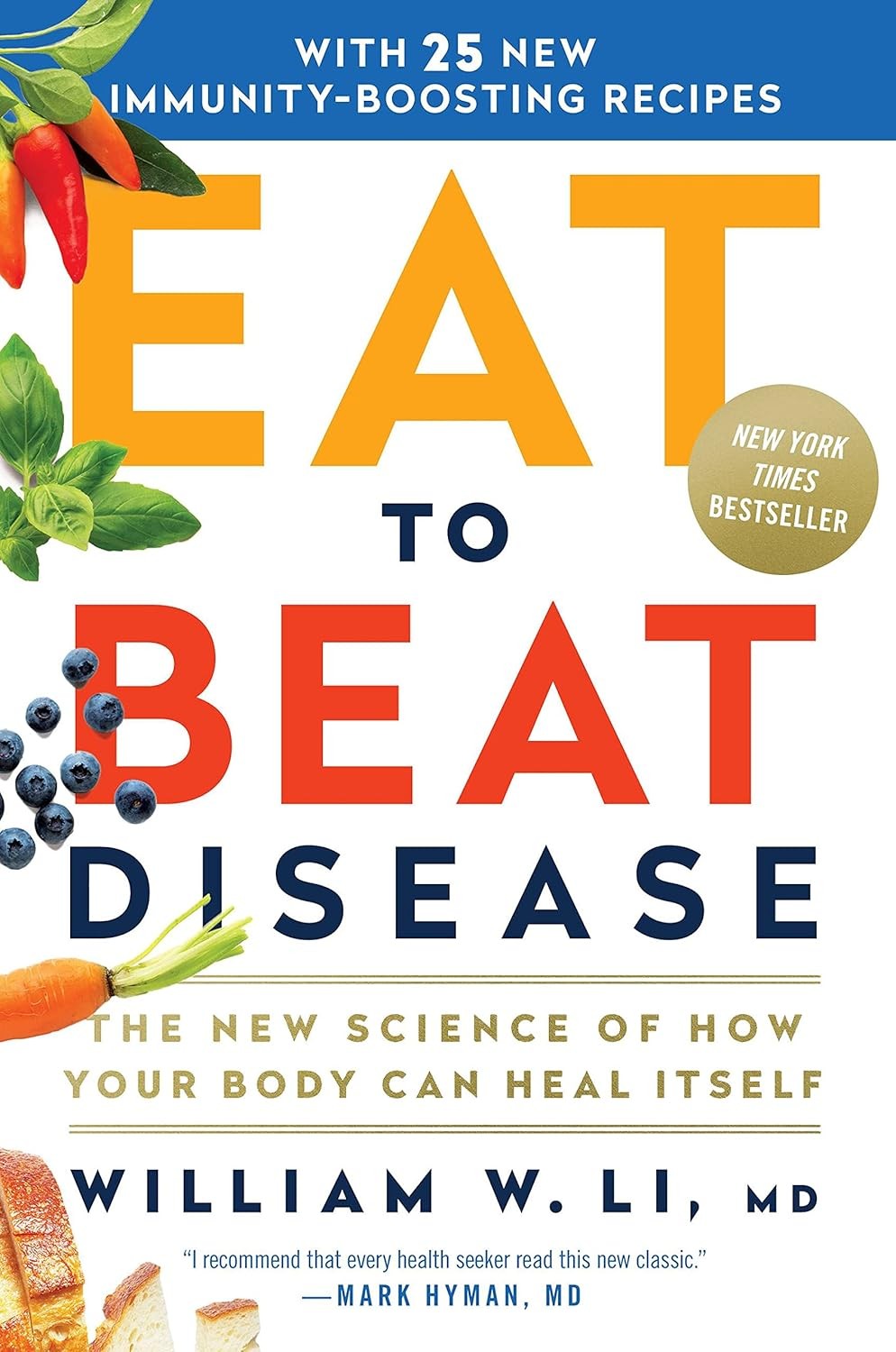
Physician-scientist William W. Li, MD, made angiogenesis — how the body grows and prunes blood vessels — a household idea with his TED talk and Eat to Beat Disease. This guide explains his five defense systems fairly, maps the 5×5×5 add-foods framework, includes practical recipes, and links his books on Amazon.
Read guide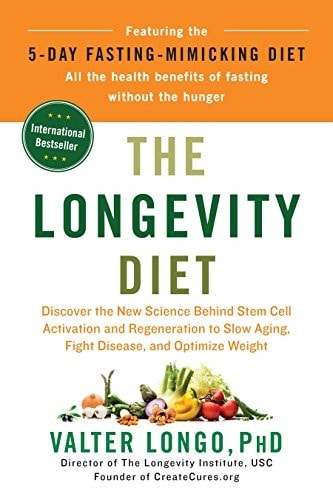 Supplements
Valter Longo & The Longevity Diet: The Complete Guide
Valter Longo’s Longevity Diet is a mostly plant, pescatarian-leaning pattern plus periodic fasting-mimicking diet (FMD) cycles from his USC lab. This guide explains the everyday plate, the protein debate with Attia, and why a 5-day kit is not a weekend water fast. Hardcover linked on Amazon.
Read guide Supplements
Fiber & Psyllium: The Complete Guide
Most longevity stacks skip the cheapest metabolic lever: dietary fiber. Psyllium husk has actual outcome data for LDL and satiety. This guide covers food sources, titration, water, drug spacing, and a labeled capsule option — not orange drink mix.
Read guide Supplements
Extra Virgin Olive Oil: The Complete Guide
Extra virgin olive oil is one of the few dietary fats with outcome-trial support when it replaces refined fats in a Mediterranean pattern. Phenols (oleocanthal, hydroxytyrosol) and oleic acid are the usual mechanisms. This guide covers how to buy, store, and cook with EVOO — and why ‘olive oil shots’ miss the point.
Read guideSupplementsProtein for Longevity: The Complete Guide
Protein is the most under-discussed longevity lever after sleep and training. Too little accelerates sarcopenia; the right amount supports muscle, bone, and metabolic health into older decades. This guide covers g/kg targets, meal distribution, and how protein needs change on GLP-1s and during fat loss.
Read guide Supplements
Green Tea, Matcha & EGCG: The Complete Guide
Green tea and matcha are the food form of EGCG — the catechin in countless metabolic and cancer-prevention papers. Observational and some intervention data support cardiometabolic benefits from cups, not 800mg extracts. High-dose EGCG capsules have rare liver-injury reports. Drink the leaf; be careful with pills.
Read guide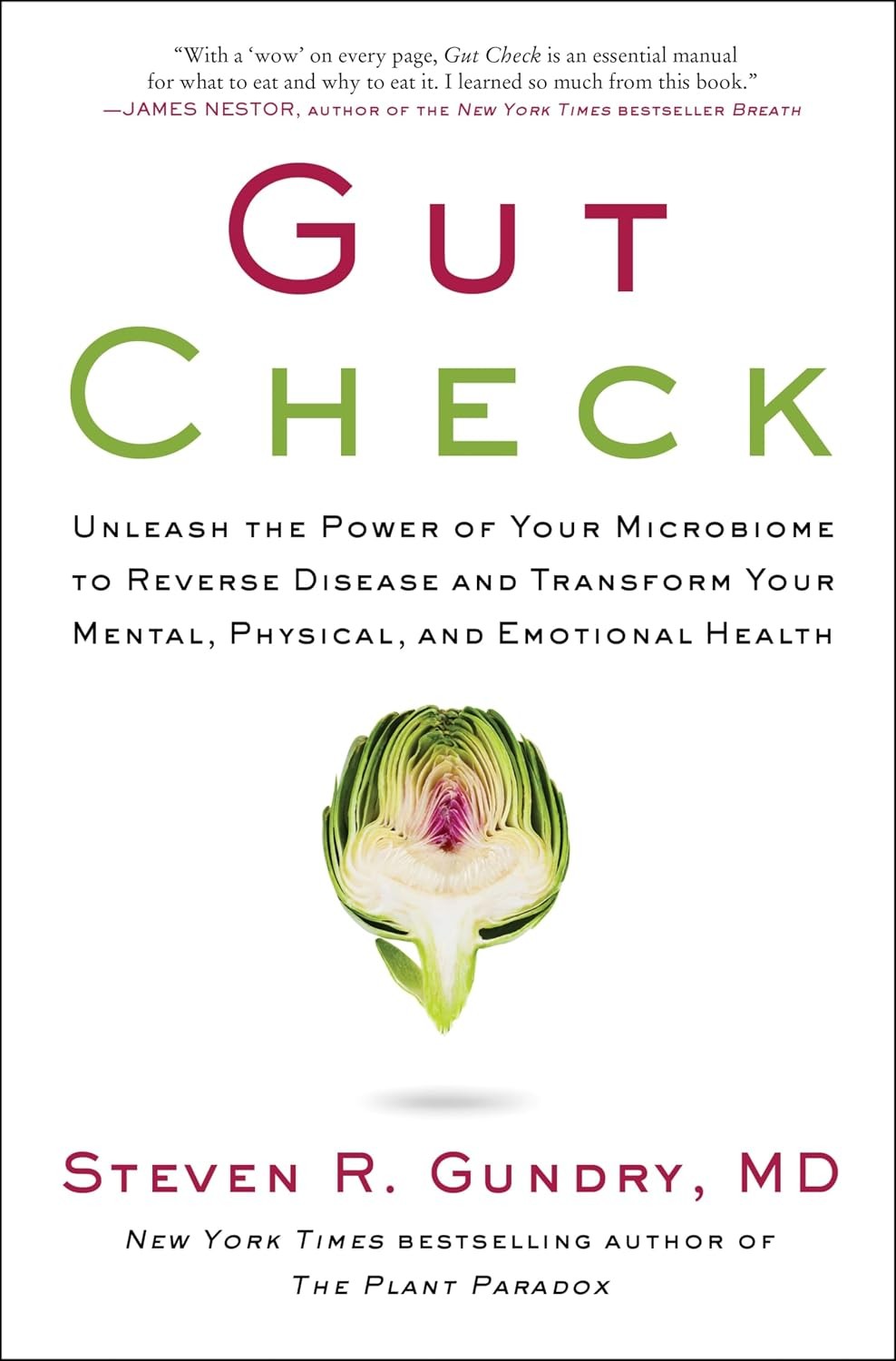 Diagnostics & Testing
Gundry, Lectins & the Microbiome: The Complete Guide
Cardiac surgeon Steven Gundry built a massive following by linking lectins, leaky gut, and the microbiome to obesity and autoimmune disease. This guide explains his framework fairly, separates strong ideas from contested claims, includes practical recipes, and links his core books on Amazon.
Read guideLast updated: 2026-09-21 · For informational purposes only. Not medical advice. Consult a healthcare provider before starting any new health protocol. Health disclaimer.