
Quercetin: The Complete Guide
Senolytics, allergies, bromelain, and why 1g with food is not the same as D+Q
Quercetin is a flavonoid from onions and apples that shows up in senolytic stacks, seasonal-allergy protocols, and zinc-ionophore lore. Bioavailability is the product problem; bromelain pairings try to fix it. Human longevity outcomes are not established. This guide covers daily vs pulsed use and a labeled 1g option.
Health Disclaimer
This content is for general informational and educational purposes only. It is not medical advice, diagnosis, or treatment. Consult a qualified healthcare provider before starting any supplement, peptide, or health protocol. Read our full health disclaimer.
Frequency
Daily or 2–3 day pulses
Duration
Seasonal or monthly cycles
Level
Intermediate

Key Takeaways
- 1Food quercetin is real; supplement doses (500–1,000mg) are pharmacological, not ‘an extra apple’
- 2Bromelain or fat-containing meals may help absorption — cheap unlabeled powders often disappoint
- 3Dasatinib + quercetin is a clinical senolytic pair; OTC quercetin alone is not that protocol
- 4Pulse (2–3 days) if you are stacking with fisetin; daily if you are running an allergy n=1
Who this is for
- ·People pulsing fisetin who want a companion flavonoid
- ·Allergy-season experimenters after trying basics
- ·Readers who saw ‘zinc ionophore’ on social and want a filter
What Is Quercetin?
Quercetin is a flavonol abundant in onions, apples, capers, and tea. In vitro it is antioxidant, mildly antihistamine, and — in some models — senolytic, especially with the prescription drug dasatinib.
COVID-era marketing oversold zinc ionophore claims. That literature is mechanistic, not a reason to megadose without a clinician.
Senolytic Pulse vs Daily Allergy Use
Emerging ResearchLongevity forums often pair quercetin with fisetin for a weekend pulse (see fisetin-senolytics). Evidence in humans for clearing senescent cells with OTC stacks is emerging at best.
Daily use is more common for seasonal allergies and exercise inflammation. Results are mixed. If nothing changes in three weeks of daily 1g with food, stop.
Absorption
Moderate EvidenceQuercetin aglycone is poorly absorbed. Phytosome/liposomal versions and bromelain combinations are the usual upgrades. Double Wood’s 1,000mg + 200mg bromelain serving is a straightforward Amazon SKU.
Take with a meal. Do not stack three quercetin products.
Risks
Moderate EvidenceHigh-dose flavonoids can interact with some antibiotics (e.g. quinolones) and may affect kidney handling. Thyroid and blood-pressure meds deserve a pharmacist check.
Dasatinib is chemotherapy-adjacent and prescription-only. Do not import it from a forum protocol.
As an Amazon Associate, Reo Tuku Iho Limited earns from qualifying purchases through Amazon links on this site. Full disclosure
For educational purposes only. Not medical advice. Read our health disclaimer.
Sources
Key references cited in this guide. Links open the original publication or abstract.
- Quercetin, inflammation and immunityNutrients, 2016
- Senolytics dasatinib and quercetin in humans — early trialsEBioMedicine, 2019
Continue Reading
 Supplements
Fisetin & Senolytics: Clearing Zombie Cells
Senolytics are compounds that selectively kill senescent ('zombie') cells — damaged cells that stop dividing but refuse to die, secreting inflammatory signals that accelerate aging. Fisetin, a flavonoid found in strawberries, showed the strongest senolytic activity in Mayo Clinic screens. Human data is early but the biohacking community treats fisetin pulses as a tier-2 longevity intervention.
Read guide Supplements
Resveratrol: The Complete Guide
Resveratrol is the grape-and-knotweed stilbene that made sirtuins famous. David Sinclair still discusses it; human outcome trials never matched the mouse headlines. This guide covers form (trans vs blends), dosing with fat, drug interactions, and who might still run a cheap labeled trial.
Read guide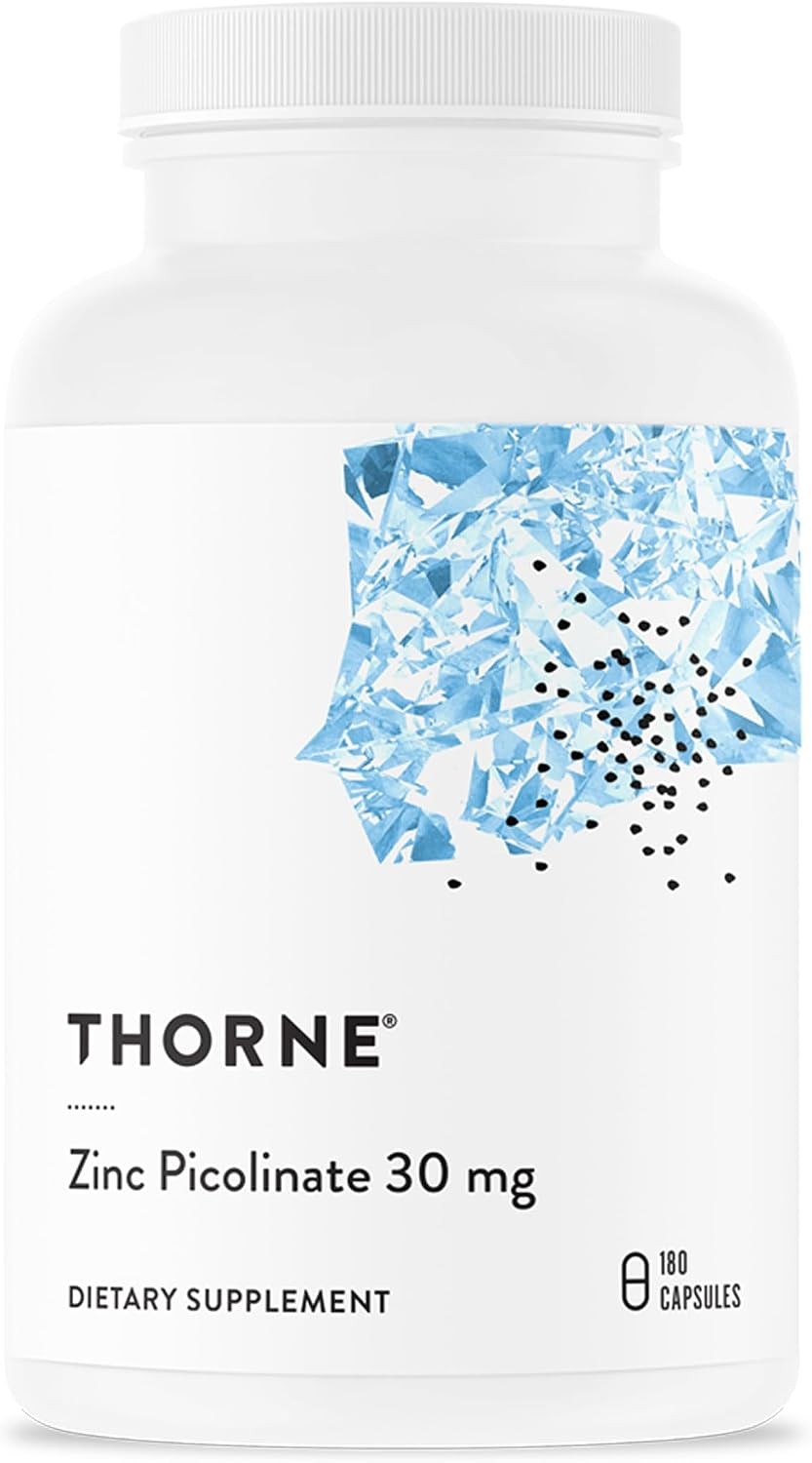 Supplements
Zinc: The Complete Supplement Guide
Zinc is an essential trace mineral involved in 300+ enzymatic reactions, immune function, testosterone production, wound healing, and sleep regulation. Mild deficiency is common in athletes, vegetarians, and those with high sweat losses. This guide covers forms, dosing, copper balance, and who actually needs to supplement.
Read guide Supplements
NAD+ & Longevity: The Complete Guide
NAD+ is one of the most critical molecules in human biology, essential for energy, DNA repair, and activating longevity pathways. Levels decline ~50% between ages 40–60. This guide explains what NAD+ does, whether supplementation works, NR vs NMN debate, and how to test your levels.
Read guide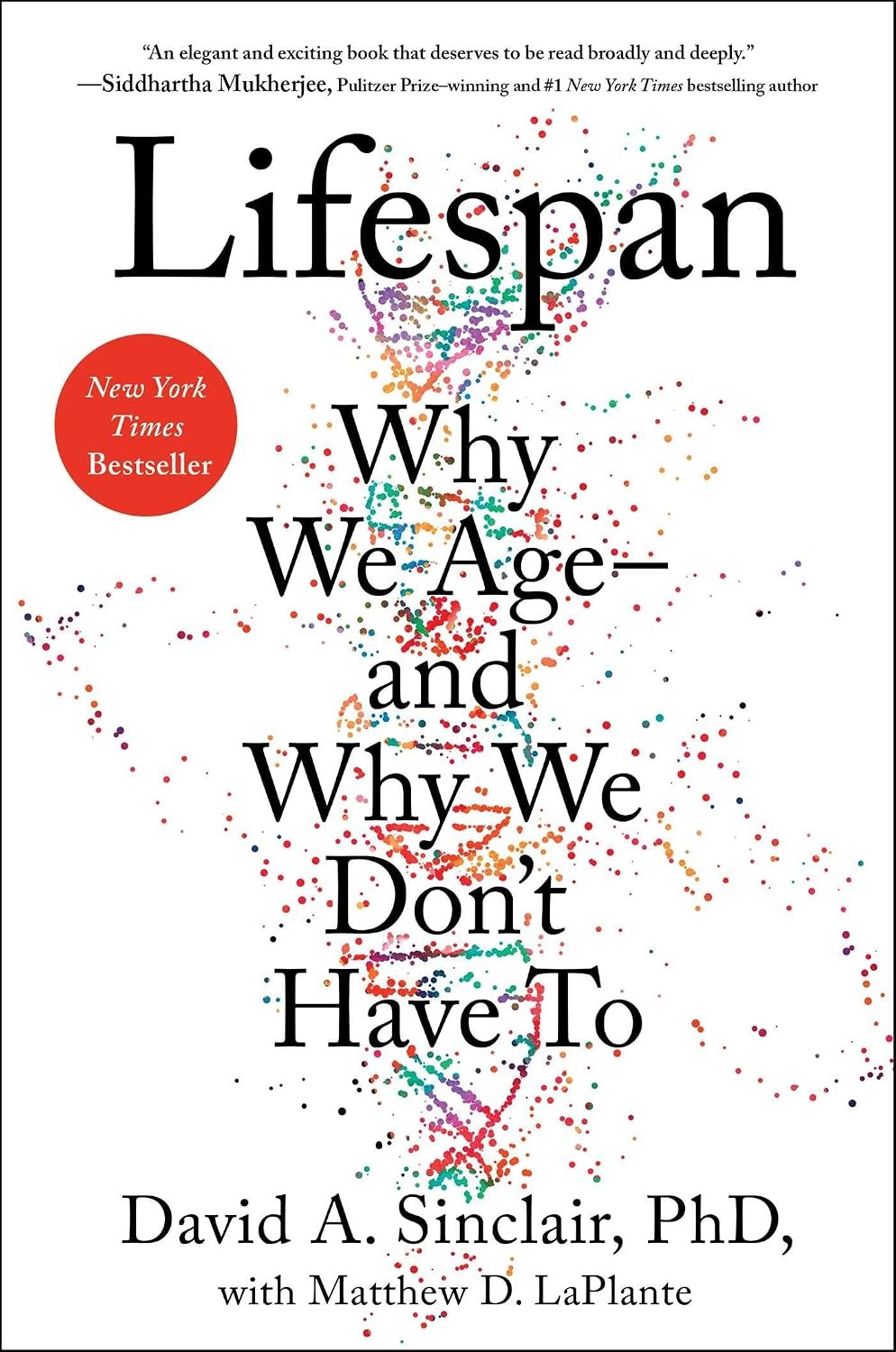 Supplements
David Sinclair & Longevity Science: The Complete Guide
Harvard geneticist David Sinclair changed public conversation with Lifespan (2019): aging as treatable, NAD+ and sirtuins as levers, fasting and cold as free drugs. This guide explains his research fairly, maps his personal stack, includes longevity-friendly recipes, and links Lifespan editions on Amazon.
Read guideLast updated: 2026-09-21 · For informational purposes only. Not medical advice. Consult a healthcare provider before starting any new health protocol. Health disclaimer.