
White Noise for Sleep: The Complete Guide
Mechanical fans vs apps, volume, and when noise is masking a real sleep problem
Steady broadband noise can help when the problem is plumbing, traffic, or a partner — not apnea or 4pm espresso. A mechanical fan (Dohm) avoids looping-track fatigue. This guide covers how loud is too loud, why phones are a worse nightstand, and what white noise cannot fix.
Frequency
Nightly if the environment is the issue
Duration
Ongoing
Level
Beginner

Key Takeaways
- 1Use noise to mask the environment, not to treat sleep apnea or anxiety
- 2Mechanical fans beat looped rain tracks for many long-term users
- 3Keep volume at conversational masking — not a jet engine
- 4If you travel, have a fallback; dependence on one sound is just habit
Who this is for
- ·People whose sleep guide is done and whose hallway is not
- ·Anyone about to buy a $200 smart sunrise speaker for noise only
- ·Partners with different wake times
When It Helps
Moderate EvidenceMasking intermittent noise (doors, traffic, snoring next door) is the use case. Trials on white noise and insomnia are mixed; some people sleep faster, others just own another gadget.
If you stop breathing at night, buy a sleep study, not a louder fan.
Fan vs App
AnecdotalRecorded tracks loop. After a month you hear the seam. A Dohm-style mechanical fan does not have a seam.
Phones add light, notifications, and the temptation to check one thing. A dumb appliance is a feature.
Volume and Infants
Moderate EvidenceAcross the room, low speed. Chronic high dB is not free. Nurseries need pediatric distance rules — adult nightstand advice does not transfer to a crib.
As an Amazon Associate, Reo Tuku Iho Limited earns from qualifying purchases through Amazon links on this site. Full disclosure
Sources
Key references cited in this guide. Links open the original publication or abstract.
- Noise as a sleep aid — evidence overviewSleep Med Rev, 2021
Continue Reading
 Sleep Optimization
Sleep Optimization: The Complete Guide
Sleep is the foundation every biohacker builds on, Huberman calls it the #1 performance enhancer. This guide covers the science of sleep stages, temperature regulation, light protocols, tracking with wearables, and the complete toolkit for deep restorative sleep.
Read guide Sleep Optimization
Weighted Blankets for Sleep: The Complete Guide
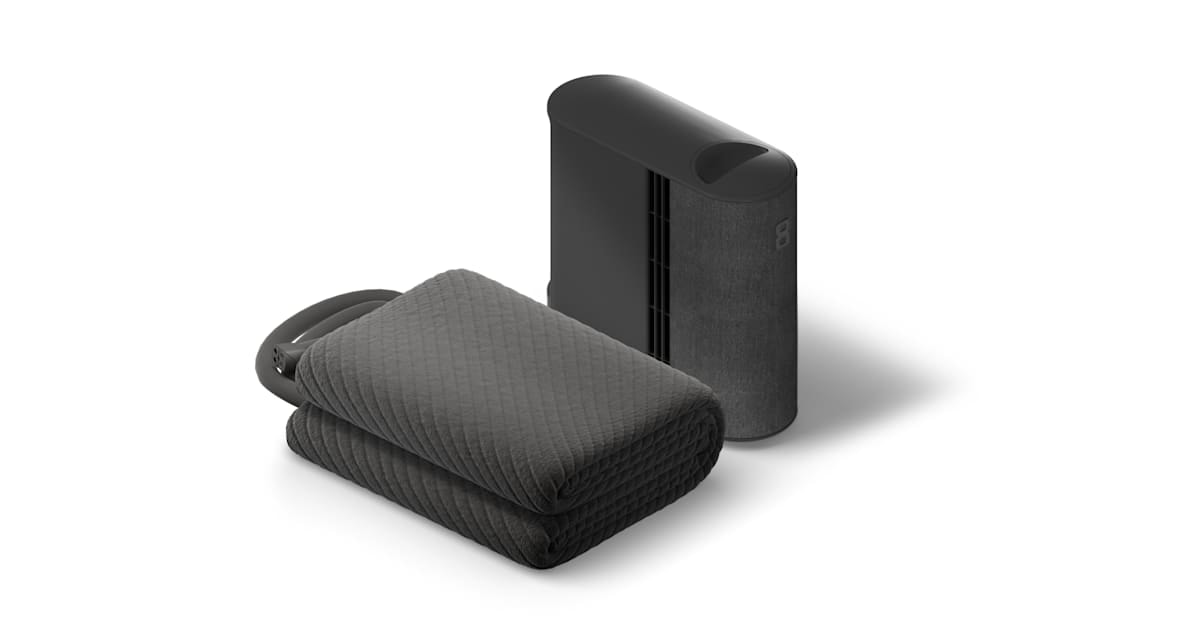
Weighted blankets are a physical sleep experiment: deep pressure helps some anxious sleepers and overheats others. Evidence for insomnia is mixed. This buying guide covers the 10% heuristic, Gravity vs generics, and why hot sleepers should fix temperature first.
Read guideSleep OptimizationHuberman Sleep Stack: The Buying Guide
Andrew Huberman’s evening stack — magnesium, L-theanine, and apigenin, often with glycine — is the most copied supplement protocol on the internet. Evidence is strongest for magnesium and glycine, thinner for apigenin. This buying guide ranks what to purchase, in what order, and links Amazon-available SKUs we already review.
Read guide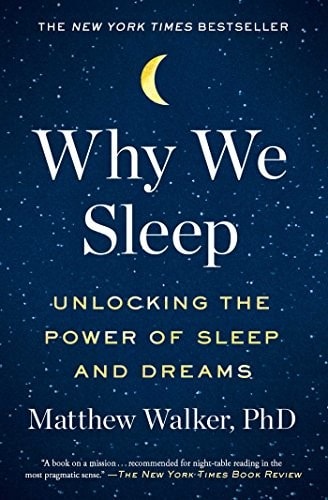 Sleep Optimization
Matthew Walker & Why We Sleep: The Complete Guide
Why We Sleep (2017) made short sleep feel like a public-health emergency. Matthew Walker is right that 7–9 hours, regularity, and darkness matter more than most supplements. Some statistics were later challenged. This guide keeps the useful protocol, flags the hype, and links the paperback on Amazon.
Read guideSleep OptimizationIndoor Humidity for Sleep & Nasal Breathing: The Complete Guide
Dry winter air wrecks nasal breathing, mouth-tape nights, and skin. The target is roughly 40–50% relative humidity — not a steam room. This guide covers cheap hygrometers, the Levoit 300S-class humidifier, cleaning, and how humidity fits next to air purifiers.
Read guideLast updated: 2026-09-21 · For informational purposes only. Not medical advice. Consult a healthcare provider before starting any new health protocol. Health disclaimer.