
HMB Dose for Sarcopenia: 3 g a Day With Protein and Lifting
HMB for sarcopenia: about 3 g a day, small gains in muscle mass and grip, no clear walking-speed benefit, and why one 1 g tablet is a third of the dose.
What the sarcopenia meta-analysis found, and why creatine and protein still come first
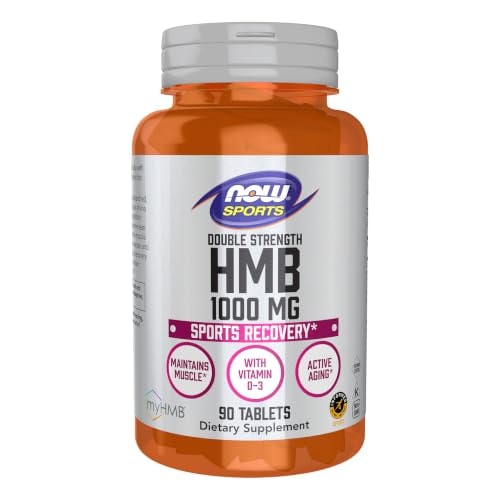
HMB (β-hydroxy-β-methylbutyrate) is a leucine metabolite used to slow muscle breakdown. A 2025 meta-analysis in people with sarcopenia found small gains in muscle mass and grip strength, and no clear gain in walking speed. The studied dose is about 3 g a day, next to protein and lifting. One 1,000 mg tablet is not that dose.
Health Disclaimer
This content is for general informational and educational purposes only. It is not medical advice, diagnosis, or treatment. Consult a qualified healthcare provider before starting any supplement, peptide, or health protocol. Read our full health disclaimer.
Frequency
About 3 g daily
Duration
Alongside training
Level
Beginner
Key Takeaways
- 1About 3 g/day is the dose in sarcopenia trials
- 2Mass and grip moved; gait speed did not, in the 2025 meta-analysis
- 3Creatine plus resistance training has a much larger evidence base
- 4NOW’s 1,000 mg tablet means three tablets if you are matching the trials
Who this is for
- ·Adults who already lift and eat enough protein
- ·People comparing HMB with another tub of BCAAs
- ·Caregivers reading sarcopenia papers
What HMB Is
When you eat leucine, a small fraction becomes HMB. Supplementing HMB is a way to raise that metabolite without the nitrogen load of a huge leucine dose. The form in most trials is calcium HMB, often sold as myHMB. It is not a stimulant and it will not feel like creatine’s first-week water in the muscle.
NOW Sports HMB is 1,000 mg per tablet. Three tablets is about 3 g. A 90-tablet bottle is then a one-month supply, not three months. The tablet also includes vitamin D — count it if you already take D3.
The 2025 Meta-Analysis
Moderate EvidenceWang and colleagues (PMID 39999663) pooled randomized trials of HMB in people diagnosed with sarcopenia. Muscle-mass index and handgrip favored HMB. Gait speed did not. The trials are few, so the result is real and still fragile. HMB did not turn up as a standalone cure for frailty.
Put it in order. Resistance training and protein intake move muscle more, and creatine has decades of human data HMB does not. HMB is the add-on when those are in place, especially in older adults or in a calorie deficit. Grip strength is a fair thing to retest, because that is an endpoint the meta-analysis actually moved.
- ·Dose: about 3 g calcium HMB daily
- ·Works better with protein and lifting than instead of them
- ·Grip and mass: small benefit in sarcopenia trials
- ·Walking speed: no clear benefit in that meta-analysis
What to Skip
Skip BCAA blends that mention HMB in a proprietary formula at a few hundred milligrams. Skip using HMB as a fat-loss pill. Skip it entirely if you will not eat enough protein — the leucine metabolite cannot replace the amino acids.
As an Amazon Associate, Reo Tuku Iho Limited earns from qualifying purchases through Amazon links on this site. Full disclosure
For educational purposes only. Not medical advice. Read our health disclaimer.
Sources
Key references cited in this guide. Links open the original publication or abstract.
Continue Reading
 Supplements
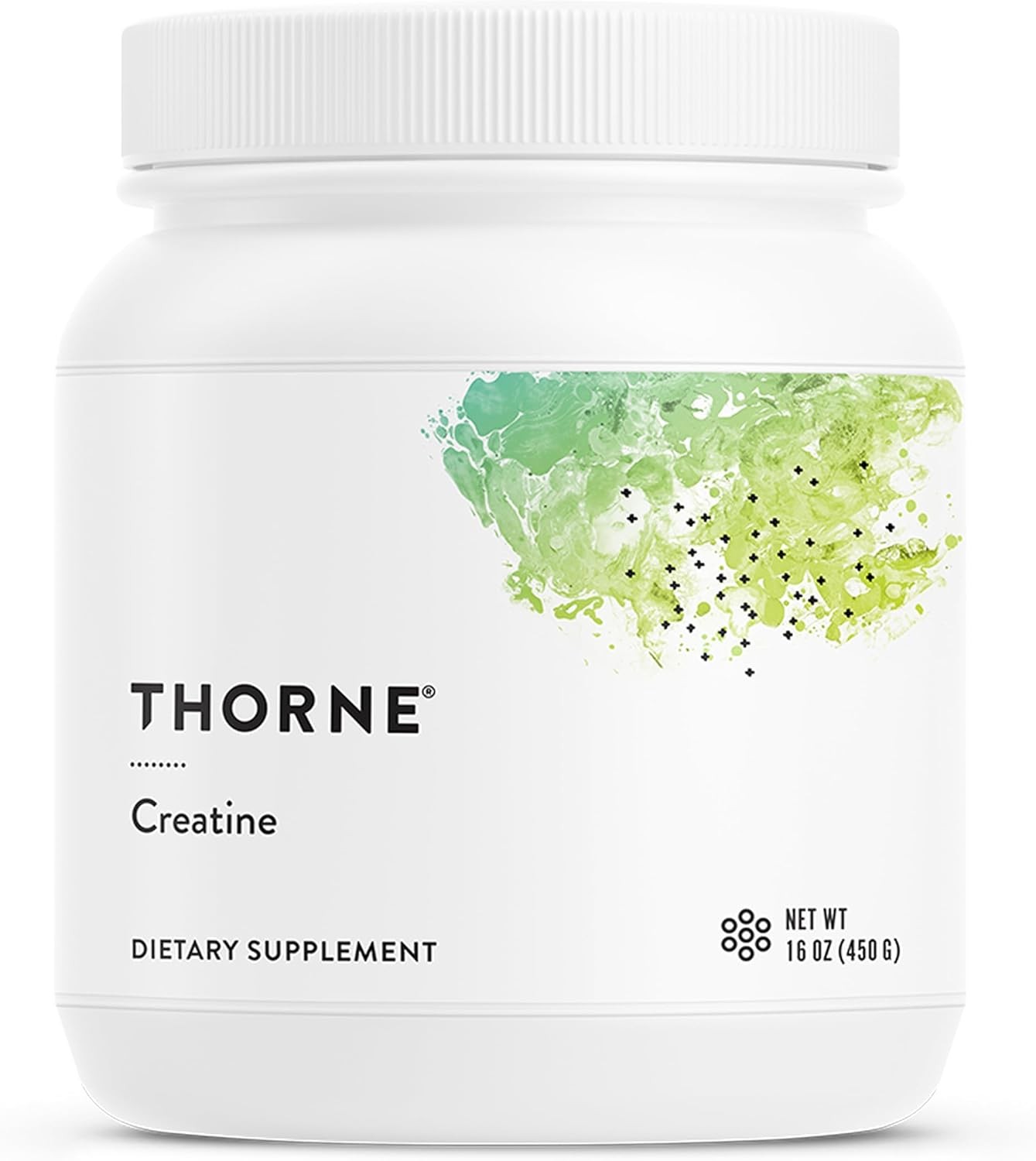
Creatine Dose: 5g Daily for Muscle, Bone, and Brain
Take 5 g of creatine monohydrate every day for muscle, bone, and brain. You do not need a separate higher daily dose for bone — the bone research is still early and is studied with lifting, at ordinary doses. Some short brain studies use about 10–20 g a day, split up. That is a research protocol, not the daily dose this guide uses. Saturation from 5 g a day is the default.
Read guide Supplements
How Much Protein for Longevity? 1.6–2.2 g/kg and Leucine
Protein is the most under-discussed longevity lever after sleep and training. Too little accelerates sarcopenia; the right amount supports muscle, bone, and metabolic health into older decades. This guide covers g/kg targets, meal distribution, and how protein needs change on GLP-1s and during fat loss.
Read guide Diagnostics & Testing
Grip Strength and Longevity: Dead Hangs and Why Crush Grip Predicts Risk
Handgrip strength is one of the cheapest, best-replicated biomarkers of all-cause mortality and functional aging. It is a marker of whole-body muscle and neuromuscular integrity — not a magic hand muscle. This guide covers how to measure it, what ‘good’ looks like, and how farmers carries and dead hangs beat cheap squeeze rings as the only plan.
Read guide Wearables & Trackers
Strength Training for Longevity: Grip, Power, and a Weekly Plan
Cardio gets the longevity headlines, but muscle mass, strength, and power are among the strongest predictors of healthy aging. This guide covers why resistance training belongs next to Zone 2, how much is enough, and a beginner-to-intermediate protocol that still works at 70.
Read guideDiagnostics & TestingBone Density for Longevity: DEXA T-Scores, Lifting, and D3/K2
Bone is living tissue that responds to load. Osteoporosis and sarcopenia together drive falls, fractures, and loss of independence — the outcome Peter Attia calls 'the marginal decade.' This guide covers DEXA interpretation, resistance training, calcium/vitamin D/K2, and who needs medical treatment beyond lifestyle.
Read guideLast updated: 2026-11-21 · For informational purposes only. Not medical advice. Consult a healthcare provider before starting any new health protocol. Health disclaimer.